Official Blog of Kristy Gherlone

Heartfelt stories
Official Blog of Kristy Gherlone
  • Contact
  • About
  • Tag: maine

    • The Carnival

      Posted at 4:09 pm by writergherlone, on August 15, 2024

      The Carnival

      Story and photo by Kristy Gherlone
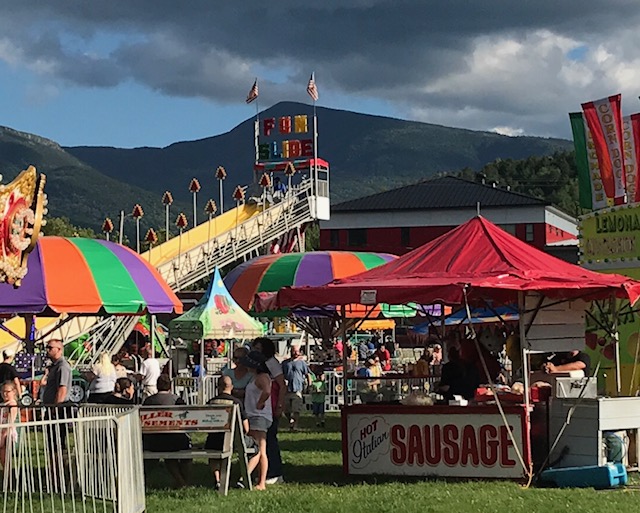
      Adeline searched for her mother’s face among the crowds as her tiny frame dangled sideways under the fortune teller’s arm. If she found it, she wondered if her expression would say, ‘I told you so.’  

      ***

           The carnival had rolled into town on Thursday night, just as it did every year at the end of April, when it was still early springtime in Maine. Missionville was always first on the carnival circuit and for most people it was an exciting event. It marked the end of the long, desolate winter, and was a delightful teaser to the summer ahead; the first in a long string of thrills, but not everyone felt that way. Adeline’s mother hated the carnival. To her, it was so akin to hell that the fire and brimstone it carried with it melted what was left of the snow. It was a haven for prostitutes and drug dealers and tempted those already on the edge of sin. It was a place rife with danger; where gypsies stole away children, and limbs and severed heads littered the ground around the rides that had claimed them. Adeline was never allowed to go, but that didn’t stop her from asking. She’d started begging as soon as the posters began to pop-up all-over town. 

           “But everyone else is going. Everyone is talking about it in school,” she whined. “There’s going to be a Tilt-O-Whirl and everything! Janine won a huge stuffed turtle last year, and Sophie said they had the best Dough Boys she’s ever eaten.”

           “I don’t want to hear about it,” Adeline’s mother said.

           “But everyone will think I’m a freak if I don’t go.”

           “I don’t care what everyone thinks,” Adeline’s mother said. “And I don’t care what everyone else does. Gambling is just fine for the likes of Janine,” she sniffed, “but not for my child.”

           “She wasn’t gambling,” Adeline sighed. “She was playing a game. You know, like the games we play at the church picnics.”

           “Don’t you sit there and compare our blessed church to that rat-infested cesspool,” her mother snapped. “I won’t have this kind of talk in my house. You’re not going and that is that.”

           Adeline pouted. She swore her mother hated everything fun. They never went anywhere in the summer except church. While her friends prattled on about camping trips and parades, barbecues and boat rides, Adeline stayed quiet and churned with envy. “But it’s not fair,” Adeline said. 

           “Fair? You want to talk about fair? How fair is it that I’m the one stuck raising you while your father is off committing I-don’t-know how many sins? How fair is it that I’m working two jobs just so I can put food on the table? Don’t you talk to me about fair! Even if I wanted to let you go, which I most certainly do not, I wouldn’t have the money. I can barely pay the rent, so you can just spend the rest of the afternoon cleaning that pit you call a bedroom and think about that!”

           Adeline stormed into her room and slammed the door. Her insides ached with injustice.  She jumped onto her bed, snatched her diary out from underneath her mattress, and tore it open. She flipped to a blank page, and wrote, ‘mom is a big, fat jerk.’ The satisfaction she felt was momentary. “I’m sorry, God. I didn’t mean it,” she said, scribbling over what she had written. She yanked out the page, ripped it to shreds, and tossed the pieces into the trash can. She turned her gaze towards the ceiling and folded her hands, “If you’d just please let me go to the carnival, I’ll never say anything bad about my mother again,” she vowed, though she knew it was a lie. It was supposed to be a sin to hate your mother, but sometimes Adeline did. She didn’t understand why her mom was so mean, because the truth was, she didn’t know much about her mother at all. There weren’t any pictures of her from before Adeline was born, and her mother never shared any of the details about her childhood. Whenever Adeline asked, her mother would say, ‘Mind your business.”  If Adeline persisted, she’d get mad. “Leave it alone. My past is mine to forget,” she’d say. If she had ever done anything that brought a smile or provoked a laugh; if she had ever done anything silly or even remotely adventurous, there was no sign. Adeline had never even seen her laugh, and the only smile she ever gave was the fake one she wore at church.

           “I don’t hear any cleaning going on in there,” her mother hollered.

           Adeline jumped off the bed. She stuck her tongue out at the door and kicked a pile of dirty clothes underneath her dresser.  She’d never met her father, but sometimes she wished he’d taken her with him when he left. She thought about that while she cleaned her room.  

      ***

           “And the Lord said, “Go into all the world and proclaim the gospel!”  Pastor Cranmore boomed during Wednesday evening service. 

            Adeline, who’d fallen asleep, jumped to her feet.  “Pepperoni pizza!” she cried out, still in the throes of a dream. Everyone turned to stare. Adeline’s mother grabbed the back of her pants, hauled her back down into the pew, and gave her a scathing look. Adeline shrugged.

           “Let us pray,” Pastor Cranmore said. Everyone bowed their heads. “Lord, please look over my flock as they venture forth to do your work. Protect my children as they descend upon that heathen carnival to deliver your words and let them be heard, in Christ’s name, Amen.”

           Adeline’s heart skipped. Carnival? She sat up straight and stole a sideways glance at her mother. She was frowning. 

            Adeline smiled and clasped her hands. “Thank you, God,” she whispered.

           Her mother elbowed her in the rib. “Don’t get too excited, young lady. I have no intention of going.”

           “But…” Adeline started.

           “We’ll discuss this later,” her mother hissed. “Now pay attention.”

           Adeline scowled.

           “Now, I’m going to need some volunteers,” Pastor Cranmore said. He scanned the congregation. His eyes fell on Adeline’s mother.  She stiffened. “Charity Loveridge, I’d like you to take the lead on this. We’re going to need some brochures and…,” he continued, talking on and on, but Adeline didn’t hear the rest. She was going to the carnival! 

      ***

               “Remember, we are here to do the Lord’s work, young lady, and nothing more,” Adeline’s mother said the next evening when the church van rolled into a parking space on the edge of the fairgrounds.

           Adeline’s face was pressed up against the window in the back seat. “I see Janine! And there’s Ramona!” she exclaimed.

           “Did you hear me?”

           “A Ferris Wheel! There’s a Ferris Wheel! Oh! Can I go on it just once? Please, please, pretty please?” Adeline begged.

           “Adeline Louise,” Adeline’s mother snapped, “I already told you ‘No.’ We’re going to hand out church fliers and that’s all.”

           “But that’s not fair!”

           “Don’t start with that again. You knew how it was going to be. Now come on. The sooner we hand these out, the sooner we can leave,” she said, slapping a stack of papers into Adeline’s hand.

           Adeline pouted. She took the brochures, hopped out of the van, and joined the others who had gathered.

           “Okay, everyone,” Pastor Cranmore said as he got out of the van as well. “Let’s break up into our groups. We’ll meet back here in an hour.”

           “Come on, Adeline,” her mother said, casting a wary glance toward the entrance. “Let’s get this over with.” 

           Adeline couldn’t contain her excitement. The music! The people! She’d never seen anything like it! It was all so thrilling! She skipped on ahead.

           “Get back here this minute,” Adeline’s mother barked, running to capture her. Her hand shook as it closed around Adeline’s. “This place is so full of sin, I can feel it from here.”

           Adeline didn’t know how something so wonderful could be such a sin.

           “Tickets!” The man hollered at the gate. “Get your tickets! Ride all night, only twenty bucks!”  he said, waving a string of colorful stubs. He gave Adeline and her mother a lop-sided grin, revealing a mouth full of blackened teeth. “How about it, pretty little ladies? Tickets?” he winked.

           Adeline reached out to take one, but her mother slapped her hand away. “No thank you,” she said to the man, her fingers tightening around Adeline’s hand, “but if you care to spare a minute, I’d like to talk to you about Jesus,” she said, pulling out a brochure.

           The man’s smile turned into a scowl. “Lady, do I look like I want to talk about Jesus? Cripes,” he growled, “move it along before you scare off my customers!” he said.

            Adeline’s mother sighed. “Well, I didn’t say it was going to be easy. Let’s start in the back and work our way through,” she said.

           Adeline trailed behind, taking in the sights and smells.

           “Everyone’s a winner, folks!” A man shouted as they entered the game section. “A dollar a try!”

           Adeline saw some kids from school playing a basketball toss. They looked like they were having a blast. She wished she could play too. “Can I go and say hello?” she asked, hopefully. 

          “No. You need to stay with me,” her mother said, stopping to give a brochure to a young couple with kids. When they started moving again, Adeline saw a tent with a sign on the outside. It said, ‘Fortunes Read. Five Dollars.’ As she contemplated what it might be like to know the future, an old woman emerged. She wore a funny hat and a long dress. When she saw Adeline, she waved.  Shyly, Adeline waved back.

           “Adeline!” someone screeched from somewhere behind. Startled, Adeline whipped around. It was Ramona. She was carrying a giant stuffed lion. 

           “Wow! Where’d you get that?” Adeline asked, reaching over to stroke it.

           “I won it,” Ramona said proudly. 

           “Lucky!” Adeline said enviously.

           “I’m glad you’re here,” Ramona said. “No one will go on the Zipper with me. Can you?”

           “What’s a Zipper?” Adeline asked.

           “Only the coolest, scariest ride ever,” Ramona said. “It’s this big cage thing that takes you up in the air and turns you upside down. Last year a kid threw up on it. It’s real neat.”

            It did sound scary, but it also sounded fun. Adeline looked at her mother with pleading eyes.

           “Absolutely not. It’s not safe,” she said.

           Just then, Pastor Cranmore and some of the other members of the group walked up and began talking to Adeline’s mother. 

           “Well, I better go,” Ramona said. “I’ll see you around.”

            “Okay, bye,” Adeline said, disappointedly. She glanced over at the tent again. The old woman was still there. The way she kept staring made Adeline nervous. When she motioned for Adeline to come over, Pastor Cranmore said, “Looks like that lady wants a brochure. “Go and give her one, Adeline.”

           Adeline didn’t want to. She hid behind her mother.

           Distracted, Adeline’s mother shooed her out, “Go on and do what you’re told,” she said.

           Reluctantly, Adeline walked over to the tent and held a brochure at arm’s length. “Here’s some stuff about Jesus and things,” she said.

            The fortune teller smiled, “Thank you,” she said, reaching out to accept it. “Come on inside. I can’t see a thing without my reading glasses.”

           Adeline looked back towards her mother. She was still talking. Adeline knew she shouldn’t, but she followed the fortune teller inside anyway.  Before she knew what was happening, the fortune teller snatched her up and carried her out the back!

           Adeline wiggled and thrashed, but the fortune teller tightened her grip and hurried toward the back field. Adeline tried to call out before she could be carried further out of sight, but the old woman clamped her free hand over Adeline’s mouth. “Shush,” she said. 

           The intoxicating aroma of grilled onions, fried sausages, and cotton candy dissipated as they moved further away from the fairgrounds, and it began to smell more like Porta Potties and grease. It was quieter back there, but Adeline could still hear the muted sounds of music and laughter. Every so often a shriek of terror or perhaps delight would pierce the air, as whoever it came from churned around inside of the Zipper. Adeline had wanted to go on the Zipper, but her mother had said no. “It isn’t safe,” she’d said. Adeline smirked, despite her dilemma. “Yeah. This was so much safer,” she mumbled, rolling her eyes. 

           “What’d ya say girl?” the fortune teller asked.

           “Nothing,” Adeline said.

           The old woman’s pace began to slow as they neared a row of campers. “Well, we’re here,” she said, coming to a full stop. “It ain’t much, but it’s home.”

           Adeline lifted her head. “Home” was a rusted, red trailer that looked so fragile, a stiff wind could probably blow it to pieces.

           “Dale!” the old woman screeched. “Where you at, boy? You come on out here and help me with this child,” she huffed, out of breath. She set Adeline down but kept a grip on her arm.

             Adeline cringed as a large boy wearing a grimy, white T-shirt shirt busted out through the door.

           “Who’s this?” the boy asked, giving Adeline a once over.

           “Don’t matter who. You just help me get her inside. And quick,” she said, stealing a wary glance around.

           The boy called Dale bolted down the steps and scooped Adeline up. She didn’t even try to fight or get away. She just let him carry her up the steps and inside.

           “Have a seat,” the fortune teller said, and following them in. 

           Adeline hesitated, glancing toward the door. 

           “You can run if you want,” the fortune teller said following Adeline’s gaze. “but I wouldn’t advise it. The carnival can be a pretty dangerous place for a girl alone. Ain’t that right, Dale,” she said, shooting him a look.

           Dale pulled a small knife out of his pocket, held it up to the light, and ran his finger along the edge of the blade. Adeline’s heart skipped. This is it, she thought, I’m about to be killed!  She had to think fast. “Did you know that Jesus says it’s a sin to murder, especially children?” Adeline asked, “so, you should probably let me go. I wouldn’t want you to get into trouble.”

           “No one’s gonna hurt ya, honey,” the fortune teller said. “Dale can be a little rough, but don’t be scared. He’s harmless. He don’t know no better.”

           Adeline wanted to believe her. She eyed Dale suspiciously and was relieved when he plucked a chunk of wood from the table and began to whittle with the knife.

           “Dale, you go on outside now. I’ll call you if I need you,” the fortune teller said.

           Dale took the wood and knife and went back outside.

           The fortune teller turned her attention back to Adeline. “I just want to talk with you a while,” she said. “That’s all.”

           Adeline couldn’t imagine what they’d have to talk about or why.

           “What’s your name?” she asked.

           “Adeline.” Adeline said.

           The old woman smiled. “That’s a right fine and proper name. People call me Ro. How old are you, child?” she asked.

           “Eight,” Adeline said.

           Ro sucked in her breath and put her hand to her heart. “My goodness. Eight whole years,” she shook her head. “Time does fly. Doesn’t seem like so long ago that my little girl was eight.” 

           “You had a little girl?” Adeline asked, shocked by the notion.

           “Yep, I sure did and she was a beauty. Course not quite as pretty as you,” she winked, “but she was a looker, that one. And the talent! People came from all around just to see her perform.”

           Adeline’s interest was piqued. “What did she do?” she asked.

           “Do?” Ro cried. “Why, she was one of the biggest deals around, that one! She was a Trapeze artist!”

           “Wow! That’s neat!” Adeline cried.

           “Mmm hmm,” Ro nodded proudly. “Oh, that girl worked so hard. Up each morning at four; practicing until it was too dark to see. Couldn’t keep her away from it. She was addicted. She started young and made quite a name for herself here on the carnival circuit before she even turned ten.”

           “She lived at the carnival?” Adeline asked incredulously. 

           “Of course she did. I raised her right up in it. She loved it. Yep, she was a carny girl through and through,” Ro said.

           “I wish I lived at a carnival,” Adeline said. “I bet it’s fun. I bet you get to travel around and visit all kinds of places. I almost never get to do anything. Do you like living here?”

           “I do. Been with it a long time. I suppose it’s like everything else, there’s good points and bad ones. Sometimes it can get real lonely. I sure do miss my daughter,” she said. 

            “What happened to her?” Adeline asked. “Did the Gypsies steal her?’

           Ro laughed heartily. “’Course not. She grew up, like all kids do,” she said. “She fell in love and had her heart broken when her honey ran off with the snake charmer. She blamed it on the carnival life. She blamed me. When she found out she was gonna have a baby, and couldn’t perform anymore, she got terrible depressed. There was nothing anyone could do for her. When the Christians came, one of them told her that the carnival folk were all sinners. Said her misery was her own fault because she lived a life full of sin. He promised her a new life full of happiness if she left and joined their church. He told her that God could make her happy again.”

           Adeline thought about that. Her mother believed in God, but she wasn’t happy. “Did she go with them?” she asked. 

           Ro gave Adeline a sad smile. “She did.”

           Adeline felt bad for her. “The Christians aren’t bad,” she said, trying to lighten her mood. “They’re mostly nice, I guess. They wouldn’t hurt her or anything.”

           “Oh, sweet pea,” Ro said, reaching over to touch Adeline’s cheek. “No group of people is all bad or all good. It’s a dangerous thing to think that way. You have to take each person, individually. What that man said about carnival folk all being sinners was wrong. That did hurt her. He convinced her that she was a bad person just because of where she came from. It doesn’t matter where you come from, it matters what’s on the inside. The carnival does have some awful sinners, but you might be surprised to know we have some Christians here too.”

           “You do?” Adeline asked, surprised.

           “Sure we do. Religion can be a wonderful thing to have in your life, just so long as that’s not all you have. You have to make time for other things. One thing my girl should have known, being a trapeze artist and all, is that you gotta have balance. If you lean too far in one direction you’re bound to fall. It’s best to stay right in the middle. She forgot that she was always the happiest in the middle. ‘Course if you stay grounded,” she added, “you can’t fall at all, but some people are born with their head in the clouds and that’s a whole different story.”

            Adeline wanted to hear that story but didn’t dare ask. “Did she ever come back to visit?” 

           “I’m afraid not. She swore she’d never set foot in a carnival again. She said she wanted to forget about the past.”

           “That’s what my mom always says,” Adeline said.

           “Well, sorry to be the one to tell you, but that ain’t right. If you forget the past, you forget everything. The good and the bad. The happy and the sad. It’s all part of who you are. It’s all part of who you become.”

           Adeline vowed to tell her mother that. If she ever saw her again. 

           As if reading her mind, Ro said, “Well, I hate to, but I suppose I’d better take you back. I’m just so glad I got to meet you.”

           Adeline smiled. “I’m glad I got to meet you too.” She knew her mother must be worried, but part of her she wished she could stay a little longer. “I hope you get to see your daughter again,” she said.

           “I’m sure I will,” Ro said knowingly. “Sometimes folks just need a little reminding from time to time.”

           Adeline started for the door. “Can you really tell the future?” she asked, turning back around.

           Ro chuckled. “I get a glimpse every once in a while,” 

           “Can you tell me mine?” Adeline asked hopefully.

           “Let me see your hand,” the fortune teller said.

           Adeline held it out. The old woman captured it, turned it over, and traced her finger along the palm. “Looks like you’re going to have a busy summer. I see some adventures coming your way,” she said. 

           “Are you sure?” Adeline asked excitedly. 

           “The outlook is good,” Ro winked.

           Adeline prayed it was true.

           “Just remember, a person’s future is up to them,” the old woman said. “Keep an open mind and you’ll do alright.” She opened the door and together they started back towards the fairgrounds. 

           “How are we going to find my mother?” Adeline asked, looking around at all the people.

           “Don’t you worry. I think I know where she might be,” Ro said. “At least I hope so,” she added under her breath.

           They walked on and on until they came to a large, tented arena. Ro ushered Adeline inside. “There she is,” she said, pointing towards the ceiling. “I knew she’d come to her senses, eventually.”

           Adeline couldn’t believe her eyes. Her mother was on the high wire! She wore a smile so bright, Adeline almost didn’t recognize her.

           “Hi Adeline! Hi Mama!” Adeline’s mother hollered, waving enthusiastically when she spotted them. “I’d forgotten all about this! I’d forgotten how much fun it was!”

           Shocked, Adeline turned to Ro. 

           “People call me Ro, but I hope you’ll call me Grandma,” she said.

           Adeline laughed. “Really?”

           “Come on up here, Adeline,” Adeline’s mother called. “You’re going to love this!”

      End

      **No part of this story may be copied or reproduced without written consent from the author.

      Posted in Uncategorized | 0 Comments | Tagged carnival, childhood, familyfriendly, fiction, maine, summer
    • Ice Cream or Moxie

      Posted at 1:39 pm by writergherlone, on November 8, 2018

      img_42301.jpg


      *This story originally appeared in Short Fiction Break and went on to The Metaworker.

      **No part of this story may be copied or reproduced without written consent from the author.
       

      Ice Cream or Moxie

      by Kristy Gherlone


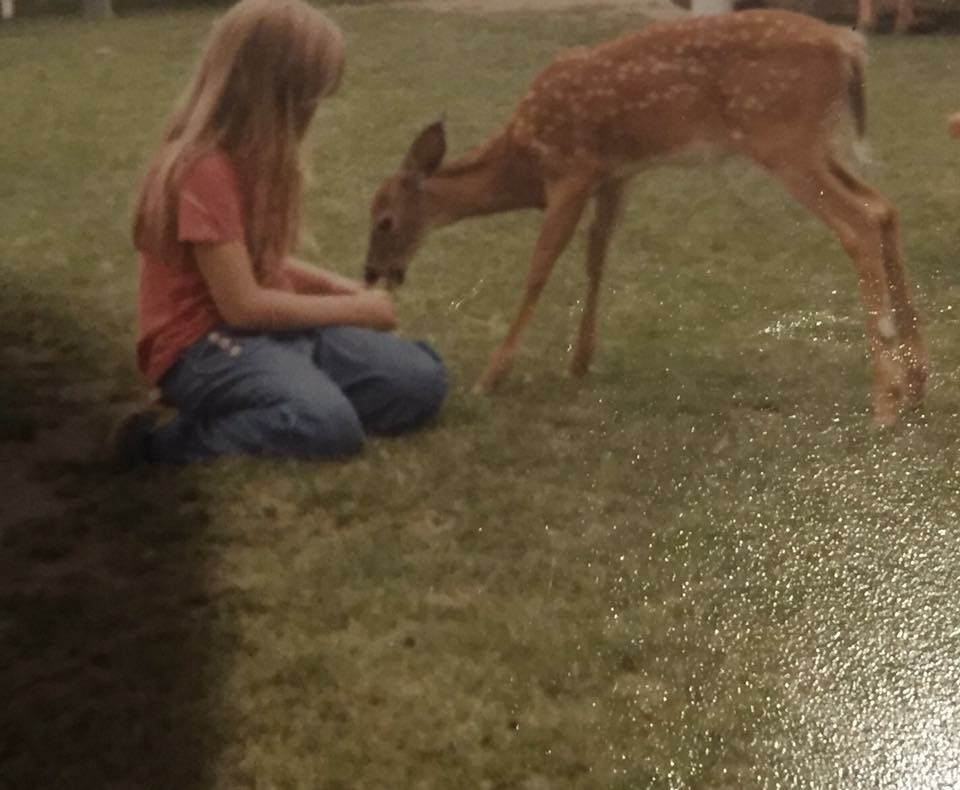
      In the heat of the summer, back when Willow’s mother slipped in and out of lunacy, sometimes she’d wake up at night to find her sitting on the edge of her bed. She’d whisper, “I’m in the mood for something sweet. Let’s walk to Mulberry’s. It’s a good night for ice cream.”

      Willow would search her eyes. If they seemed contented, she would slide out of bed and allow herself to be pulled out into the dark.

      Mulberry’s was a hike, but electric energy buzzed through her mother as they walked along.  It felt like carnival rides and fireworks. Like parades and Christmas. The feeling was catching. It felt like she could walk until dawn without getting tired.

      All at once, Willow wanted to skip and run!  She wanted to laugh out loud and dance around, but didn’t. Instead, she stayed silent, letting the humid air wrap around her shoulders, while her mother gushed on and on about the things they were going do that summer.

      They would go to the ocean and eat lobsters! They would climb the mountain and rent a cabin at the lake! They would have picnics at the park and go to the town pool every day! Willow wanted to get excited about those things, but couldn’t.

      Her mother would stop to point out stars. She’d show her the Milky Way and the Big Dipper. Then she would begin to tell Willow about the sky in Arizona, where she’d grown up. “You should have seen all those stars. There were millions of them out there in the desert. I swear you could see all the way to heaven, if you wanted to.”

      Willow’s stomach would tighten.

      “Sometimes, I wish I’d never left. I wish…” her mother would say, her feet slowing.

      Luna Moths danced around the street lamps overhead, attracted by the light and warmth. Sometimes, Willow felt like a Luna Moth, lured into the brightness only to get burned.

      “I wish…”

      Willow could hear motorcycles and cars zipping up and down Main Street. “We’re almost there. Thanks for bringing me! It is a good night for ice cream,” she would say, trying to lighten the mood again, if it wasn’t too late.

      “…I wish I’d never met your father…What? What did you say, Willow?”

      “We’re almost to the store.”

      “What? Oh. Well, I’m not getting ice cream. I think I’ll have a Moxie instead.”

      Willow’s mother drank Moxie when her mood was changing. She said it reminded her of how bitter life could be.

      A few doors down from Mulberry’s, there was a bar.  There were always a few people milling around out front smoking cigarettes. Willow would try to pull her mother into the store before anything bad could happen.

      “I bet your father’s in there. I bet he’s with a woman,” she’d hiss, her eyes growing dark.

      “I can’t decide if I want a Strawberry Shortcake or a Crunch. What do you think?” Willow would ask, starting up the steps.

      “Oh, I don’t care what you get! As a matter of fact, if you want ice cream so badly, you should go ask your father! Why do I have to pay for everything while he’s out having a grand old time?”

      “I don’t know,” Willow would say.

      “Just forget it. I’m not in the mood now. Let’s go,” her mother would say, whipping around and storming towards home.

      Willow walked alone on the return, her mother having retreated inside of her own mind. She’d call out, spitting questions, and slinging insults at people who weren’t there. There were no promises of good things to come. Her energy was gone. It was catching. Willow would get so tired, it felt as if she could sleep for a week.

      When they’d get back home, Willow would fall into bed. After a time, her mother would peek her head in through the door. “I’m sorry. I don’t know what’s wrong with me. Maybe tomorrow we’ll try again.”

      “Okay,” Willow would yawn. “That would be fun.”

      “Willow?”

      “Yeah?”

      “Sometimes we do get ice cream, don’t we?”

      “Sometimes we do and sometimes we get Moxie.”

      “Oh, I don’t like Moxie. It’s so bitter.” Willow’s mother would say. “Ice cream is so much sweeter.”


      Posted in #prose | 0 Comments | Tagged childhood, divorce, familyfriendly, fiction, icecream, maine, mentalillness, moxie, parenting, shortstory, summer
    • The Long Dirt Road

      Posted at 1:42 am by writergherlone, on June 2, 2018

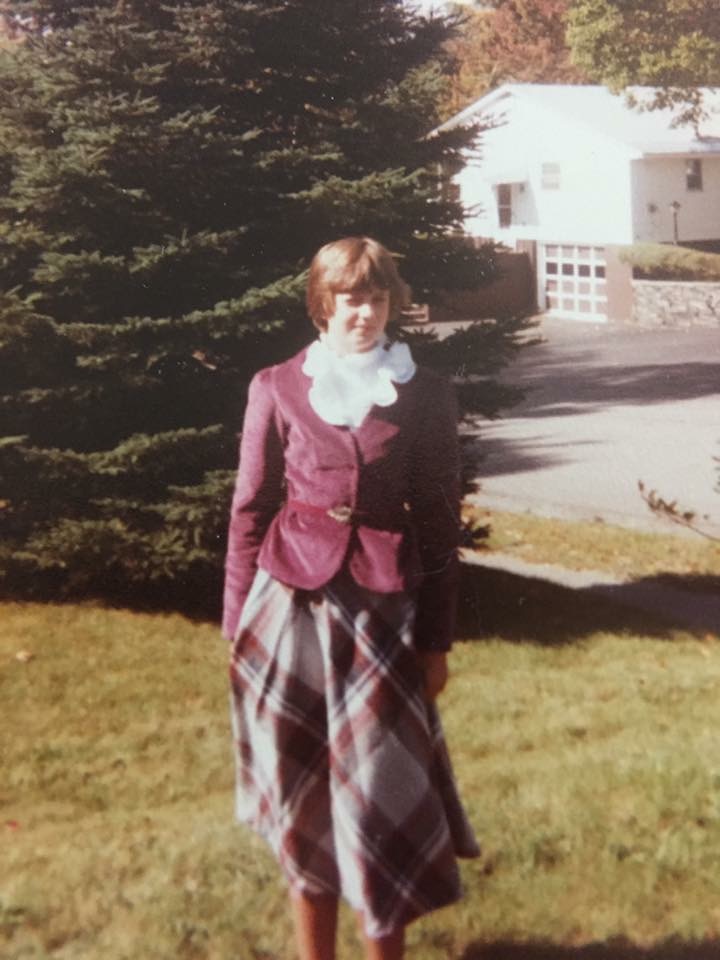
      *Some of the stories shared on this page will probably never be seen in the literary magazines.  However, I feel that they have some value and I’m glad to share them with you. “The Long Dirt Road” is the beginning of a series that appeared on my Facebook last year. These stories are about growing up in the Maine woods in a cabin at the lake without electricity or running water in the late 1970’s and early 80’s. Writing them brought me back to that time and I was able to re-capture some of the thrills and the challenges faced.  I hope you find some thrills in reading them. (the photo presented is an actual photo of me during that time)

      The Long Dirt Road

      Part One: A Story of Summer

      By Kristy Gherlone


      There’s a road that inhabits a fair amount of space in my mind. I call it forward whenever I need a smile. I close my eyes and suddenly it’s there. Long and narrow, wash boarded and potholed. When I was a child, it was as familiar to me as it was a mystery. While the road itself didn’t change, the scenery often did. I never knew what we might see as my dad and I drove along.


      Sometimes there were moose. They’d come crashing out of the woods, shaking their heads and twitching their ears, crazy from the black flies and heat. They’d stomp all gangly legged in front of us before turning to trot back in again. I felt bad for them. They were tormented by bugs in the summer, and up to their bellies in snow during the winter. I used to try and convince my dad to build houses for them to escape to.


      If we were lucky, there might be a black bear nibbling raspberries in the dusty bushes that lined the sides, but they were either shy or snobby. They didn’t care for company, and would bound off as soon as they heard us coming. To see one was a real treat.


      I’d scan obsessively for bull frogs all along that road. They’d sit in the puddles, snapping up flies. I could spot their glassy eyes protruding on the murky surface a mile away, but they would always dive under as we neared, sending ripples in their wake. They couldn’t hide from me. I’d go back later to collect them. Knee deep in mud catching frogs was my life!


      I remember rolling down the window on the gold Custom Deluxe truck.

      I used to poke my head out and breathe in the powerful, tangy scent of pines. To this day, that smell makes me happy in a way that can’t be duplicated. The stream that ran along most parts of the road rushed restlessly in the spring and trickled lazily in the fall. Its smell was both boggy and clean as we drove over it on the old splintered bridge. I used to dream about the fish I’d catch in there the next time I had the chance and then I’d hang out as far as I could and try to spit far enough to hit the water.


      I’d reach out when we came to the clusters of sapling trees and let the leaves tickle my palm. Every now and then I’d find a big one and tear it off.

      Dad would say, “You know what that is, don’t ya? It’s woodsman’s toilet paper!”


      I’d watch for the brown wooden sign that said ‘You are now entering Indian Purchase land.’ I used to envision a whole tribe of Native Americans coming out of the woods. Their bows and arrows would be poised and ready to stop us from going further.

      And then I’d see the tree that stood at the entrance to our turn-off. It meant we were almost to our destination. It was a gorgeous tree, towering well above the rest. Its leaves blazed orange before turning fiery red late in the season. I could hardly stay in my seat with all of the butterflies jumping around in my belly.


      In June that road seemed a thousand miles long! We could never get to the end fast enough, but only because it led to Summer’s treasure box. Camp!


      Three whole months of fishing, swimming, bike riding and frog catching fun. There would be games of monopoly, and log hopping around the cove. I’d blaze trails through the forest!  I’d sit on the big gray rock, high above the lake, and watch for shooting stars at night. The possibilities were as boundless as my energy.


      In late August that road seemed barely a mile. It went too quick! I was sure the very trip would ruin my life. Traveling south, it led back to town. School and dance lessons. Homework and bedtimes. Yuck!


      In reality, the road was no more than eight or ten miles, but I’ve traveled it so often it might now add up to a million.


      Of course, these days, I mostly travel it in my mind, but it’s definitely a road that’s worth the journey.


      IMG_9535

      Posted in Uncategorized | 0 Comments | Tagged cabins, childhood, maine, nature, shortstory
    • No Parking

      Posted at 1:56 pm by writergherlone, on February 28, 2018

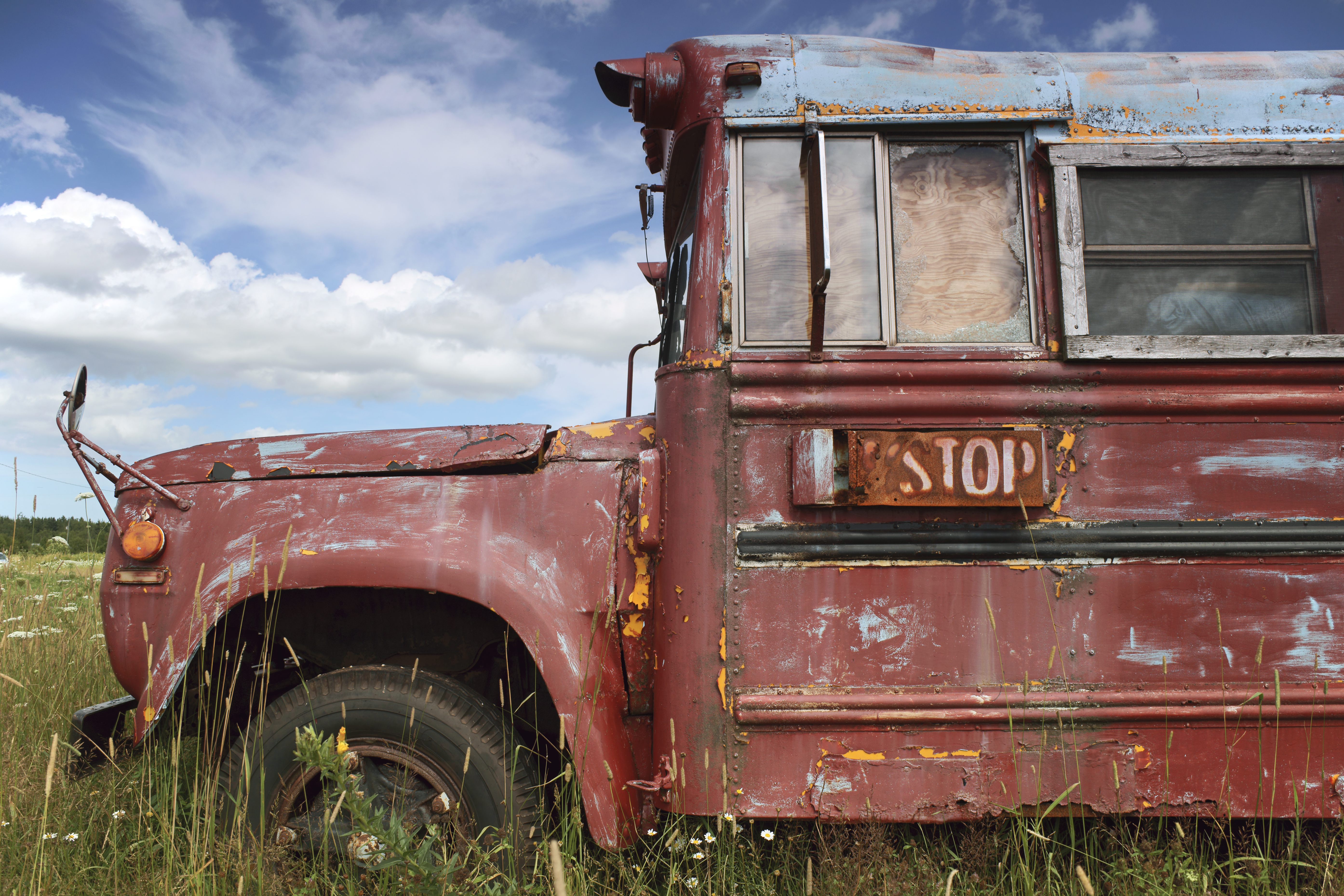
      Abandoned school bus.


      No Parking

      By Kristy Gherlone


      It was early September in 1973 when Stevie stood in bare feet on the edge of her grandmother’s yard and watched the bus pull up and park.

      The ground was chilly that time of year in Maine, but her feet had grown so tough and calloused over the summer, she hardly even noticed.

      She went out to the street and circled the length of the bus. It might have been bright red at one time, but a layer of rust clung to the exterior. It made the whole thing look as if it had been painted with blood and set out in the sun to dry. She shook her head and sighed. The entrance doors screeched as they flapped open. Her mother poked her head out and grinned. “Hey, kiddo. Whaddya think?”

      “Are we really going to live in that thing?” Stevie asked.

      Before her mother could answer, the rear exit opened with a clanking boom and slammed against the side of the bus. It caught Stevie off guard, making her jump. The heel of her foot landed on a sharp stone. She cried out and hopped around, rubbing at it, as her father began to hurl vinyl and steel into the road.

      “It’s going to be an adventure. You’ll see,” her mother hollered over the noise as she bounded down the steps.

      “Why can’t we just stay with Grandma?”

      “What?” her mother mouthed, pointing to her ear.

      Stevie waited for a pause in the noise before asking again. “Why can’t we stay with Grandma?”

      “She doesn’t have room. You know that. It’s bad enough that we’ve taken up her yard all summer with our tent. Besides, your father can make a lot more money on the road.”  Finally noticing Stevie’s discomfort, she asked, “Where are your shoes?”

      “I still don’t have any. Remember?”

      “Oh. Well, we’ll get you some. Listen, I’ve gotta give your father a hand. We should be finished gutting it today. Going to be just like a regular house when we’re done.” She slapped the side for emphasis. Gold flecks shimmied the ground.

      Stevie bent over and scooped up a handful. She took a plastic bag out of her pocket and sprinkled some inside. She tucked the bag back into her pocket.

      “Will there be a bathroom?” she asked, as more parts of the bus clattered into the road.

      Her mother raised her eyebrows in question. “What, Stevie? I can’t hear you.”

      Stevie shook her head. “Never mind.”  She wandered over to her grandmother’s lawn and sat.

      She ripped out a handful of grass and flung it over her head. As she watched the stray pieces flutter and fall, she noticed something white. She snatched it from the air and examined it. A feather! She put it in her pocket.

      She scowled at the bus. She couldn’t help wishing she was back home. But home, as she’d grown to think of it, never belonged to them. They’d only been renting the pretty little farm house on Merry Meeting Bay. Not even the furniture was theirs, but it was the longest they’d stayed anywhere.

      Green rows of farmland swept wide on both sides, and the bay was right out front. There was even a treehouse in the back yard. It looked impossibly high when she’d first seen it. It was way out of reach for someone her age. She’d stood at the base and peered up at the tiny house in the branches. It seemed as though she’d never be big enough to climb up and see inside, but eventually, she was.

      She and her mother used to take long, lazy walks down to the shore in the afternoons. A crooked cedar tree jutted out over the water, and Stevie used to climb up on it like a horse and sit there watching the ducks and geese take off and land. The air smelled of flowers, and of hay and boggy water. Sitting there with her mother in the scented air warmed her tummy. She was beginning to wonder if she would ever feel that way again.

      Her father had been a carpenter. He made good money, but he hated the work. He wanted to be a singer in a band. Every weekend he’d hold practice at the house. Friday night, cars would pile into the driveway and spill out scruffy men carrying guitars and beer. They’d listen to loud music and try to copy the sounds they heard with their own instruments. Stevie’s nose stung from the acrid smoke wafting out of their skinny cigarettes. The smell made her dizzy and giddy. On Saturday mornings, she’d have to pick her way around half a dozen sleeping men to get to the kitchen. When her father was a carpenter they could afford to pay rent, but not anymore.

      Stevie had come home from school in the spring to find the kitchen full of boxes.

      “What’s going on?” she’d asked her mother.

      “Your father’s quit his job. He’s going to play music full time.  We can’t stay here anymore. We’ve been evicted. We have to be out by the end of today.”

      “What?” Stevie cried.

      “Take what you can carry. We’ll have to leave the rest behind.”

      “Where are we going to go?” She couldn’t breathe.

      “We’ll think of something. You know your father hates staying in one place too long, anyway. This is a good thing.” Her mother stopped packing and smiled with reassurance. “A really good thing. I promise.” She planted a kiss on Stevie’s forehead. “Go on, now. Git!” She swatted her with a spatula.

      Stevie picked up a few empty boxes and climbed the narrow stairway to her room. She looked around, trying to decide what to take with her.

      Her father peeked in. “Just the essentials. I need room for my equipment.”

      “Well, what should I bring?”

      “None of that junk, that’s for sure.” He pointed towards Barbie’s town house and a collection of stuffed animals. “Just pack some clothes and whatever else you absolutely need.”

      “Dad! I can’t leave all my stuff behind!” She snatched a Teddy bear from the floor and hugged it to her chest.

      “You’re just going to have to. Besides, you can’t go anywhere in life if you’ve got too much junk weighing you down. Keep things light, then you can hit the road whenever you want. Don’t ever ground yourself with material stuff.”

      “But, Dad …”

      “Nothing is permanent. Remember that.”

      Stevie’s eyes filled with tears.

      He turned away. “Leave it all here.” His shoulders were tight as he paused at the doorway. For a second, Stevie thought he might change his mind. “I mean it,” he said, and started down the stairs.

      Stevie loved her father, but in that moment, she hated him, too. She hated him for quitting his job. She hated him for making them move. It wasn’t fair. He didn’t even sing all that well, and everyone knew it. People lied to him to make him feel better, and now it was going to ruin everything! She may have only been eight, but she knew that much.

      She closed her eyes and prayed that roots would grow out of her feet. She envisioned them busting out of her skin, breaking through the floor, and snaking through the thick earth beneath the house.

      Her mother hollered up the stairs. “Get a move on!”

      She checked her feet and scowled when she didn’t see anything. She stuffed a few of her favorite things in the boxes and hid them under her clothes.

      Later that afternoon, it felt as if she was leaving pieces of herself behind as they pulled away from the house for the last time. It made her feel sick and weak and hopeless as she watched the house get smaller and smaller in the rear window. Her stomach flipped when she thought about some strange kid playing with her toys.

      They had to stay in a tent in her grandparents’ yard ever since.  Stevie’s mom said it was just until they figured things out, but it had already been months.

      ***

      Stevie’s mom got off the bus. She shook padding and dust out of her hair as she climbed down the steps.

      Stevie stood and put her hands on her hips. “How am I supposed to go to school?” she asked.

      “You’re not. I’m going to teach you. Isn’t that neat?”

      “But you’re not a teacher.”

      “So? That doesn’t mean anything. I wouldn’t worry about it. The stuff you’re going to learn can’t be taught in school.”

      “You know, I could always …”

      “You’re not staying here.” Her mother’s voice was firm.

      “Fine.” Stevie ran to the tent and dove in.


      Stevie’s father finished fixing the bus the day before the sky spit the first snowflake. She was allowed in for the first time. All of the original seats were gone, except for the driver’s. Towards the front, there was a small table and chairs, a battered love seat, and a pot-bellied stove. Out back, there was a walled-in room for her parents and a bunk for Stevie in the middle. In place of a bathroom was a plastic toilet that had to be emptied. A shower curtain enclosed the area, giving it a small measure of privacy.

      “This is it?” she asked in surprise.

      Her father whirled around. His eyes were full of disappointment. “What more do you need?”

      Stevie got off the bus and ran over to her grandmother. “Don’t make me go. I don’t want to leave,” she whispered. She jumped up and wrapped her arms and legs around the woman.

      Stevie’s grandmother unwound her and set her down. “You take care now,” she said, dismissing her with a kiss on the head. “Be wary of strangers,” she added, swatting her on the butt. Her eyes twinkled as she reached up to capture her son’s face. “I’m just so proud of you,” she beamed, squeezing his cheeks. “I’m proud of all of my kids, but you …” she pulled his face down to meet hers. “You are my star.” She kissed him on the nose. “Follow your dreams, Frankie. You’re going to be a big hit.”

      Stevie’s father grinned.

      “Corrine? You take care of my boy. Hear?”

      Stevie’s mother cleared her throat. “Of course, Mother.”

      She waved from the driveway as they pulled away from the curb.

      The first night on the bus was cold and strange. They’d driven several hours before her father pulled down onto a dirt road and parked. The heat from the stove didn’t reach all the way to Stevie’s bed. Unfamiliar noises like wolves howling and a woman’s screams sneaked in through the windows. Stevie wrapped herself in a blanket, plodded down to the front, and fell asleep in front of the stove.

      The next morning when she woke up, her neck was stiff and sore. She untangled herself from the blanket and peeked out the window. There was a police car parked next to their bus. She tip-toed to the back of the bus and woke her father.

      “Break down?” the officer asked.

      “Nope. No sir. We’re just fine.” He scratched his chest and yawned.

      “This here is a private road. I’m going to have to ask you folks to leave. You can’t park out here like this.”

      “Sorry. We’ll be on our way real soon.” He began to close the door.

      “That kid in school?” the officer asked, nodding towards Stevie.

      “That’s none of your damn business.”

      “Well, actually it is.” He smiled at Stevie. “How old are you, honey?” he asked.

      Stevie’s father pulled the door shut. He jumped into the driver’s seat and started the engine.

      The officer pounded on the side of the bus. “It’s against the law! She needs to be in school.”

      He put the gears in reverse and pressed the gas pedal to the floor. Stevie’s heart pounded as the tires kicked up rocks and dust. They flew out of the road backwards and sped away as soon as they reached the pavement.

      As time went on, Stevie’s father got a better feel for where they could and couldn’t park in each of the towns they visited, but it wasn’t always foolproof.

      They’d been on the road for a couple of months when they pulled into the driveway of an abandoned farm house. They’d stayed there a couple of times and no one had ever bothered them before.

      Stevie liked to explore the half-fallen down barn on the property. She was doing just that when she noticed a man come out of the woods across the field and start walking towards her. She wasn’t scared until she saw that he had a shotgun slung over his shoulder. She froze.

      “You got any parents around?” he asked. He lowered his arm, letting the strap fall. He caught the gun in his hands.

      Stevie nodded, wide-eyed, and motioned towards the bus.

      “Get ‘em,” he ordered.

      Stevie’s feet flew. She bounded up the stairs out of breath. “Dad! There’s a man out there with a gun!” she cried. “He wants to talk to you.” She ran and hid behind her mother.

      Stevie’s father shoved his feet into his shoes. “Stay here,” he said.

      Stevie watched from the window as her dad got off the bus. “Can I help you?” she heard him ask. His voice was high-pitched and nervous.

      “Yeah, you can help me. You can get the hell off my property. Goddamn squatters think you can just park anywhere you want. You have exactly five minutes, too, before I start shooting.”

      “Sorry. We didn’t know anyone lived here,” Stevie’s father explained, holding up his hands in apology.

      “Don’t matter if anyone does or doesn’t. It ain’t yours, is it? You’re probably the same damn folks that have been tearing up my road. It’ll take me all spring to right it again.” He held up the gun. “Now git and don’t ever come back. You hear me?”

      “I’m sorry we invaded your space, man, but you got no call to point a gun at me,” Stevie’s father said.

      “Don’t you tell me what I got the call to do on my own damn property. I could shoot you right now just for trespassing. I suggest you get back on that rattletrap of yours and get the hell out of my sight.”

      Stevie’s father didn’t argue any further. He jumped back in and started the bus. “Hold on,” he said grumpily.

      He gunned the engine and wrenched the gears into drive. Clots of mud flew up and splattered the windshield. Stevie dared a glance back as they pulled away. The man chased after them screaming words that were swallowed by the sound of the spinning tires.

      When they got out to the pavement, he whipped the bus around and didn’t stop driving until they came to a shopping plaza. He drove to the end and parked.

      “I’ve gotta look for work,” he said, shoving his feet into his scuffed cowboy boots. “Stay here. I’ll be back as soon as I can.”

      “Bring back some food, okay?” Stevie’s mom called after him.

      “Won’t be much,” he said. “Gotta get gas today, remember?”

      Stevie looked out the window. Something captured by the wind skittered across the empty lot. She waited for her father to leave before getting out. She chased it around until it crashed into a guardrail and flapped against the cold metal. It almost took flight again, but she caught it just in time and held it up.  It was a baseball card. She didn’t know much about baseball, but she shoved it into her back pocket anyway and got back onto the bus.

      “What did you find out there, Stevie?” her mother asked as she poked at the fire.

      “Nothing, really,” she said. She pulled it out of her pocket and gave it to her.

      “Huh. The Giants … Willie Mays …” She turned it over in her hand. “I’m afraid I don’t know much about sports.” She passed it back to Stevie.

      “Me either,” Stevie said. She went over to her bunk and rummaged around underneath. She pulled out the shoe box and opened the top.

      “Stevie?” Her mother called.

      “Yeah?”

      “Are you happy?” Her voice was high and strange.

      “I guess,” Stevie answered. She put the card inside and closed the lid. “Are you?” She held her breath.

      “I guess,” her mother answered, not looking up.

      “I miss school,” Stevie admitted.

      “Yeah,” her mother said sadly.  “I miss …” She didn’t finish the sentence. “I’ll try to get you some books soon, okay?”

      “Okay.”

      “I’m going for a walk,” she said suddenly. Her eyes were moist.

      “It’s cold out,” Stevie cautioned.

      “Yeah.” She grabbed a sweater off from the chair and draped it over her shoulders. “I’ll be back,” she said.

      Stevie went to the windows. Her mother’s shoulders shook as she hurried away. Stevie was sure it didn’t have anything to do with the temperature.

      ***

      Stevie’s father didn’t have a lot of work lined up that winter.  Sometimes he’d spend all day trying to find a bar that would let him sing for the night. He didn’t make a lot of money that way, but it would get them by for another day.

      Sometimes when he did secure a gig, Stevie’s mom would go in and watch and leave her out in the bus alone. She’d stare up at the apartments that were lined against the street. Lamplight glowed through the windows, casting shadows that ghosted on the brick sidewalks as the people inside moved around.

      She imagined herself inside. She could feel the soft carpet under her feet and the smell of dinner wafting from the kitchen. She could feel the heat from the furnace wrapping around her shoulders, enveloping her in a warm embrace.

      One night in late February, Stevie’s father parked in front of a bar in Brunswick.

      “We won’t be long. Short set tonight,” Stevie’s mom said. “Don’t open the door for strangers!”

      “I won’t.”

      “Oh, and put another log on in about an hour, will you?”

      “Okay.”

      She started down the steps, but hesitated. “Stevie?”

      “Yeah?”

      “I love you, you know.”

      “I know,” Stevie said. She poked at the fire.

      “It won’t be like this forever.”

      “Okay,” Stevie said, shrugging her shoulders.

      “It won’t.”

      “Okay,” Stevie said again, looking up.

      Her mother smiled. “Okay,” she said with confidence and walked off the bus.

      They hadn’t been gone long when someone came pounding on the door.

      Stevie looked out. It was a police officer.

      “This bus needs to be moved,” he shouted, spotting Stevie.

      Stevie went and opened the door. “I’ll have to get my mom,” she said.

      “You do that. Tell her there’s no parking here.”

      Stevie got dressed and went in to find her mother. She batted the cigarette smoke away from her nose as she tried to make her way to the stage. Colorful lights zig-zagged from the ceiling, illuminating the darkened room for a few seconds at a time. It made her feel dizzy and like she was walking funny. She tripped and almost fell.

      A woman sitting at one of the tables caught her arm and righted her. “Hey there, toots!  Aren’t you just the cutest little thing?” she said. “Come sit next to me.” She patted the chair next to her and smiled through hot pink lips. Her fingernails looked like talons as she tapped on the seat, and her hair looked like the sun on fire. “Come on. I won’t hurt ya. I’m Patti.” She held out her hand. “But you can call me Mimi. Everyone does.” Her hearty laugh turned into a violent cough. “What’s a nice kid like you doing in a place like this?” she rasped after catching her breath.

      Before Stevie could answer, a man stumbled and bumped into the table, spilling Mimi’s drink.

      “You clod!” she yelled, jumping up. Watch where you’re going!” She grabbed a napkin and began sopping up the mess. “You owe me a drink!” She glared, but the man was already staggering away. She sat back down. “Well, never mind. Let me get you a drink, sugar.” She patted the seat again. “Hey, Earl?” she yelled. “Get this little lady a Shirley Temple, would ya? And get me a drink, too. Put it on my tab.”

      Hesitantly, Stevie sat. She craned her neck around, trying to spot her mother, but didn’t see her anywhere. Sitting on the table in front of her was the smallest glass she’d ever seen. It had a picture of a lobster on it. She waited until Mimi wasn’t looking before stuffing it into the waistband of her pants. She pulled her shirt down to cover it.

      “She can’t stay here, Mimi. Even you ought to know that,” the bartender said as he sauntered over.

      Stevie stood back up. “I’m just looking for my mom. Have you seen her?”

      “Who’s your mom, honey?” the woman asked.

      Stevie didn’t know how to describe her. “Well, my father is the one on the guitar.”

      Mimi’s mouth fell open. “Oh, sweetie! That’s your dad? He’s a looker! A real heart breaker.” She put her hand over her heart and swooned.

      “Out,” the bartender said to Stevie.

      “For God’s sake, let her stay. You want to see your daddy sing, don’t you baby?” she crooned, batting her eyes at the bartender.

      “She can’t be in here, Mimi. Christ.” He grabbed Stevie’s arm. “Out,” he said, shoving her towards the door.

      “Don’t worry, honey. I’ll find your momma and send her out.” Mimi winked. She slurped the last drop in her drink, stood up, and headed towards the stage.

      The bartender pushed Stevie outside and shut the door. Stevie started for the bus, but there was a man standing near the back. He wasn’t facing her, but Stevie could see a golden arch of liquid coming from the front of his pants. It cascaded over the tire and splattered onto the road.

      Stevie’s parents stumbled out together right then. “Don’t come back!” the bartender yelled. “More trouble than you’re worth with that hunk of junk parked out front and your damn kid. Goddamn gypsies,” he grumbled.

      The next day Stevie’s father said, “I think we’ll head down to Florida. I’ve had it with this state. Besides, there’s a lot more clubs down there.”

      “How will we afford the gas?” Stevie’s mom asked.

      “I’ve been thinking about that. I say we head up north first and visit my sis. She’ll lend us some money and then we can be on our way. We should say goodbye to her anyway. Once we get down to Florida, I might not want to come back.”

      “Am I a gypsy?” Stevie asked suddenly, thinking about what the bartender had said.

      “Heavens, no.” Stevie’s mom laughed. “Well, maybe … by default, anyway,” she teased, ruffling Stevie’s hair. “Your father’s just full of wanderlust. He can’t help it.”


      A week later they were on their way. Stevie had never been that far north before. It was late afternoon when they neared their destination. Stevie saw the town where her aunt lived up ahead in the distance. It looked as if it had erupted from the earth and spilled out all over a sea of wilderness.

      “What’s that smell?” she cried as they got closer.

      “This is a mill town,” her mother said, pointing out the window and towards the sky. “See those stacks over there? That’s part of it. Looks like they’re making clouds, doesn’t it?”

      Stevie nodded. She watched as towering columns shot out fluffy white puffs and tossed them into the air. She laughed and held her nose. “It’s neat, but it smells like boiled eggs.”

      “It does stink,” her mother agreed, holding her own nose, “but I suppose people get used to it after a while. Oh! Look over there!” she squealed, as they came to the top of a hill.

      Stevie stood. Over the rise, she saw a mountain. It was jagged and tall, swallowing half the sky. It was a magical place.

      They descended and paused at a traffic light.

      “Almost there,” Stevie’s father said. “Sit down.”

      Stevie sat back down, but kept looking out. There was a lot to see. She liked the way all of the houses seemed to be lined up in neat rows and how all of the people she saw were smiling. She liked that place. It looked like a good place to grow roots in.

      “We’re here,” her father said. He pulled over and stopped the bus in front of a tall, green, shingled house.

      He opened the doors and Stevie ran out. There was a dime sticking out of a snow bank on the sidewalk. She snatched it up and put it in her pocket. Right beside it, there was a Pepsi cap. She put that in her pocket, too.
      “Hey, Sis.” Stevie’s father caught his sister in a welcoming embrace.


      Just before the sun rose a few days later, Stevie’s father shook her shoulders, waking her up. “We need to get going,” he whispered.

      “What?” Stevie asked, rubbing the sleep sand from her eyes.

      “We have to go. I have a gig in Jacksonville on Friday.”

      Her stomach filled with dread. She didn’t want to leave. She wanted to stay. She wanted to go to school and make friends. She wanted to sleep in a warm room and go to the bathroom in a place that would flush. She wanted to climb that mountain and look out over a town she could call her own.

      “Hurry up,” her father said. He turned and tip-toed down the stairs.

      She jumped up. Her heart pounded as she got down onto the floor and snatched the shoe box from underneath the bed. With a fluttery stomach, she went to find her father.

      He was in the kitchen, rummaging through his sister’s purse. He looked around nervously before shoving a wad of bills into his pocket.

      Stevie’s mom stood at the back door, looking out.  She had a cup of coffee in her hand.

      “We need to go!” he hissed, heading towards the door. He pushed Stevie’s mother out, but she didn’t move past the steps.

      “I can’t leave!” Stevie blurted.

      “What?” her father asked, surprised. He stopped moving and gaped.

      “I can’t leave,” she repeated. Her voice was shaky but defiant.  She sat down in one of her aunt’s kitchen chairs and opened the box.

      “I don’t have time for this. We have to go now!” His eyes were daggers as he held the door.

      “You’ll have to go without me.”

      “What in the world is your problem?” he asked. He stormed back in and grabbed Stevie’s arm, trying to pull her along.

      “I can’t leave because I have too much stuff!” she said. She emptied the shoe box onto the table. All of the things she had been collecting fell out. “You’re the one who said you couldn’t go anywhere if you had too much stuff. I think I have too much stuff.”

      “Corrine?” he said, appealing to his wife.

      Stevie’s mother came back into the house. Her face was strange. She took her pocket book off from her shoulder and spilled the contents onto the counter. “I think I do, too,” she said.

      End

      *This popular story, written by Kristy Gherlone, was originally published by Bedlam Magazine’s Loud Zoo on April 30, 2017. From there, it went on to appear in Fiction on the Web in December 2017

      **No part of this story may be copied or reproduced without written consent from the author.
      Abandoned school bus.


      Posted in Uncategorized | 0 Comments | Tagged 1970, childhood, family, familyrelations, fiction, gypsy, learning, maine, mountains, moving, nomad, published, school, shortstory, travel, traveling, writing
    • Hidden Gems in Maine

      Posted at 1:04 pm by writergherlone, on October 24, 2017

      727 2

      Not too far from the border of New Hampshire, on the Maine coast, there is a town called   Ogunquit.  It is truly one of my favorite southern Maine spots to visit.

      It is a small coastal town that draws in thousands of visitors in the summertime. People come from all over the world to spend time on the gorgeous, lengthy sand beaches, for the shopping, excellent dining choices, boating, fishing, surfing…you name it. There is plenty to do.

      image (34)

      When I was a kid growing up in northern Maine, I didn’t know anything about Ogunquit. No one ever talked about it. When people made the three hour trek to the ocean, they went to Old Orchard Beach or to Acadia National Park in Bar Harbor. I often went to Bar Harbor, and of course, I’ve been to Old Orchard. Who didn’t when they were a teen? Families love Old Orchard for the amusement parks and side attractions. You can walk the “strip” in Old Orchard, or the pier, get a dough boy (or funnel cake, or fried dough..whatever you call them from wherever you are on the map; in Maine it’s a dough boy) a cotton candy, a cheap bathing suit, some plastic beach toys, and go on an array of carnival rides that will make you throw-up your dough boy.  In Bar Harbor, you can visit Acadia. You can hike, ride horses, sit at the beach, or do the side attraction like the Acadia Zoo in Trenton. Don’t get me wrong, they are both fun places to visit, but when I first saw Ogunquit, I was hooked!  It is a bit more of an upscale, adult- oriented beach town. Hot sun, lazy beaches, casual attitudes, upscale shops, and nearly every restaurant has lobster or some type of delicious seafood on the menu. To me, it has that Florida, I’m-on-vacation-don’t-bother-me feel to it.

      This is what I like to do when I get there:

      1. Walk Marginal Way
      2. Take one of the trollies back to the square.
      3. Eat at the Footbridge.
      4. Shop in one of the many, many gorgeous shops-clothes, jewelry, art, antiques..etc.
      5. Eat again!
      6. Go to the beach for some sun and relaxation
      7. Eat again
      8. Book a cocktail cruise on Finest Kind cruises
      9. Look at the lighthouse at Nubble and the moon over the ocean
      10. Sleep peacefully with a smile on my face


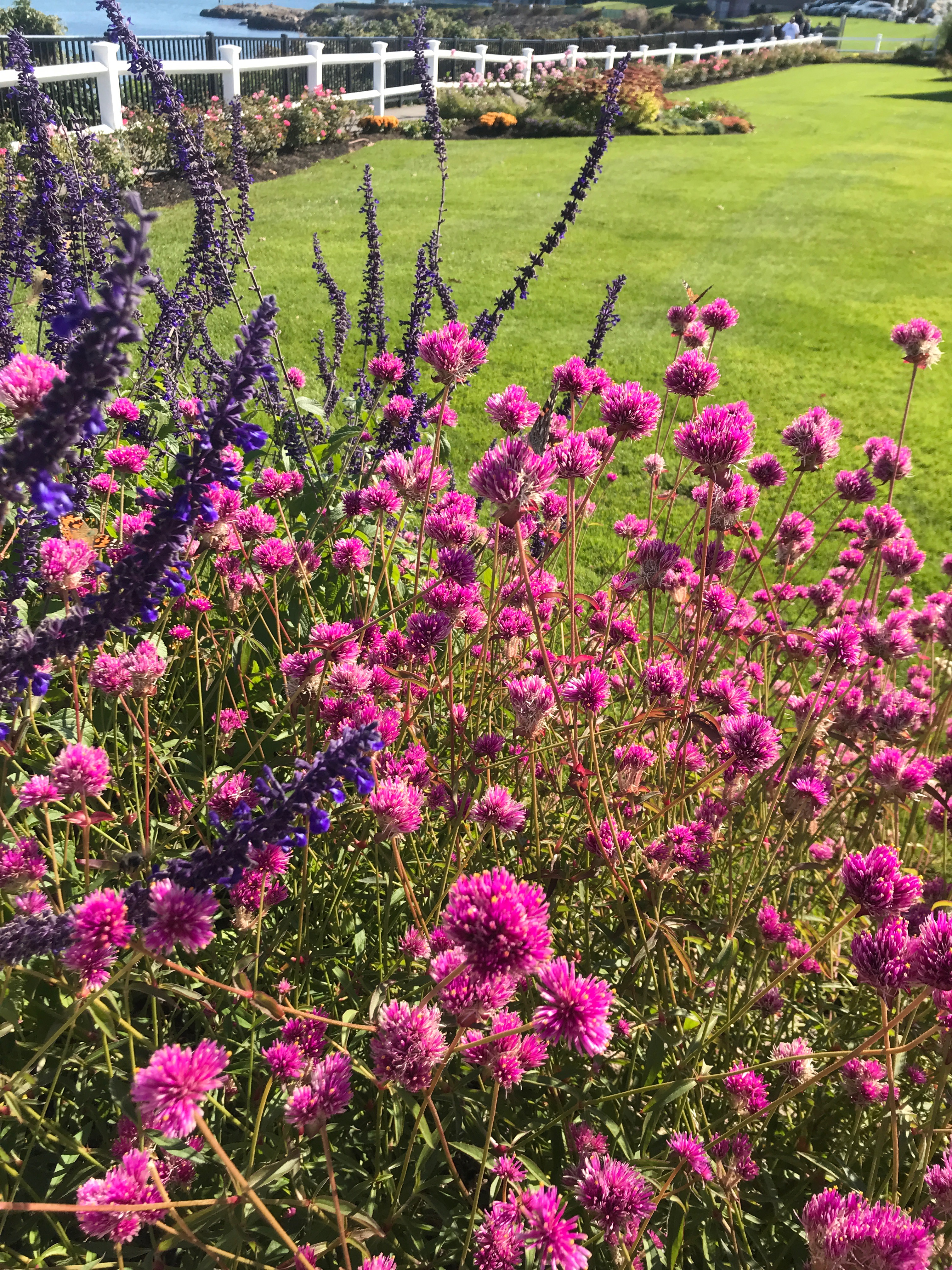
      The walk (Marginal Way)  is a little over a mile one-way with gorgeous waterfront homes on one side and incredible ocean view on the other. The people who own the homes there, landscape their lawns beautifully. There is always an abundance of flowers and butterflies along the way, even this late in the season.

      IMG_0897

      IMG_0899

      IMG_0898

      However, as I have said, the town does draw in visitors. Too many sometimes. Summertime is bustling and busy. It’s hard to find adequate parking and it’s hard to move around with all of those elbows and strollers.  The wonderful people there have all kinds of advice about where to eat, what to see, where to stay, and what to do. I have found some gems in the years I have spent there. I want to tell you about two or three, to save you some trouble.

      The Colonial Inn. It is not right on the ocean, which makes it seem less desirable. Everyone wants something right on the water but if you don’t book a room at the Colonial, for that reason, you are missing out. This is what it looks like:

      1555285_467234836709467_1009828529_n

      13015150_821740707925543_433324514702206509_n

      13669629_862722770494003_7238811456085170589_n

      So yeah, it’s gorgeous. It’s not on the water, but does have an ocean view. The staff is incredibly attentive and often do extras to make your stay even more special, like this:

      13102632_826850774081203_4839304819772148557_n

      Having an anniversary? They will surprise and delight your spouse with something like this. They also do weddings and special functions. I’ve never seen any other hotel go through so much trouble to make you happy.

      They are also a bit cheaper for not being on the water, but it is beautiful hotel. Relaxed, but fun. Elegant, but economical. I love it and the staff. They are in the middle of the shopping and very close to the entrance of Marginal Way.

      Where to eat? For a fancy restaurant on the water, try MC Perkins Cove. Good food, good ambiance, and excellent service…but if you don’t care what the place looks like as long as it has good food, you can’t beat The Footbridge Lobster. I don’t really like to eat anywhere else, unless I have to dress up and be fancy…then it’s MC.

      IMG_0915

      IMG_0914

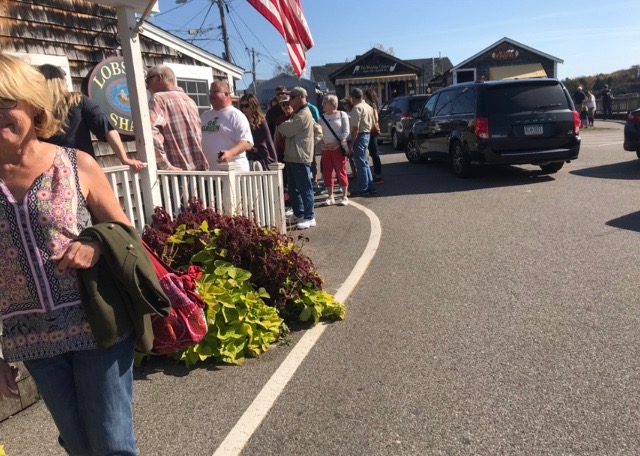
      For one, they have the absolute best lobster stew and crab rolls I’ve ever tasted. I literally dream about their food all year long. The staff is pleasant and attentive and that’s amazing considering how busy they usually are. There is usually a line out the door! I would gladly wait in line an hour or more for a crab roll from them! So yummy!

      IMG_0916

      And if you are thinking, ‘Ogunquit doesn’t sound like a good place for families’, you would be wrong. York’s Animal Kingdom is right down the road. My grandson loves it.

      702 2

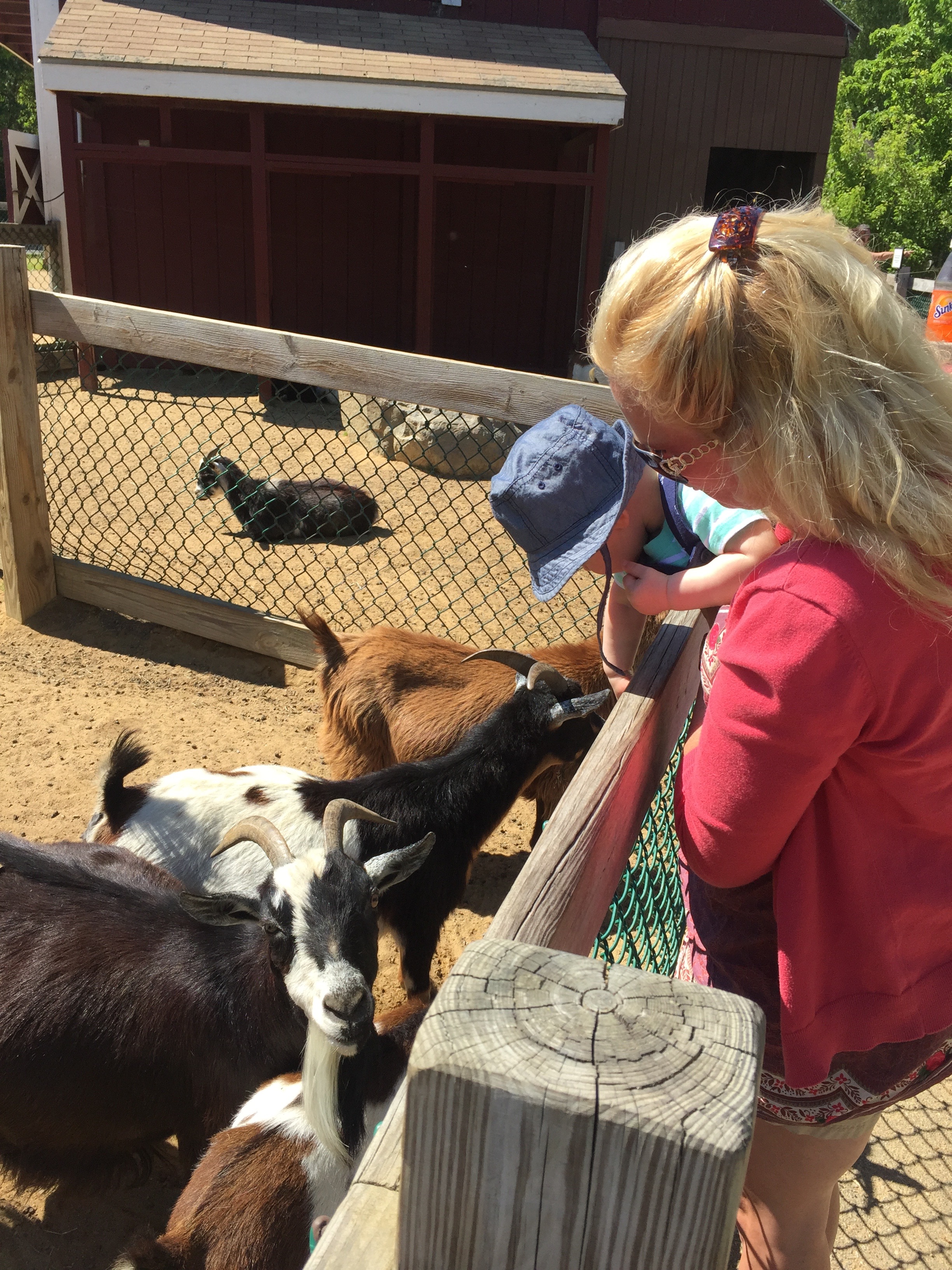
      You can pet goats, see tigers, lions, and maybe even some bears!  Plus Ogunquit has a couple of toy stores, and an arcade for the kiddos, pizza shops and those cheap beach toys that Old Orchard has. There are also plenty of places that have kids menus, as well. And what kid wouldn’t like to ride on a trolly?

      Anyway, I wanted to share what I know about Ogunquit so that when you visit, it can be just as wonderful as I know it to be. I’m not much of a travel blogger, but I do travel a lot; to Ogunquit, more than any other place. I love it and I hope you’ll find my suggestions helpful.

      553529_10151078936441711_1606744980_n

      457

      724 2

      Enjoy!

      Posted in Uncategorized | 0 Comments | Tagged beach, dining, eat, familyfriendly, lobsters, maine, ocean, ogunquit, restaurant, seafood, shopping, thecolonialinn, thefootbridge, trollies, vacation
    • Those Hometown Feelings

      Posted at 10:43 am by writergherlone, on August 29, 2017

      IMG_0365

      Those Hometown Feelings

      By Kristy Gherlone


      Recently, my husband and I made the long trek back to my home town in northern Maine. We try to make the trip once or twice a year and each time, I find myself battling a wide range of emotions.

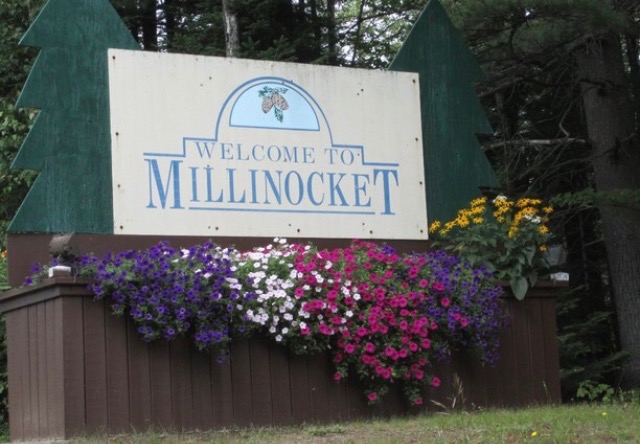
      When I was a child, the town was a booming, bustling city that looked like it had been dropped smack dab into the middle of a sea of wilderness. Great Northern Paper Company owned the mill there and most of the forests surrounding it. Nearly everyone worked at the mill. The salaries provided were enough so that most people had a house in town, and a camp on one of the lakes, two cars per household, and yearly vacations.

      We had three elementary schools, a middle school, and a high school. We had an enormous recreational area with a football field, a hockey rink (with warming house), a regular skating rink, tennis courts, a track field, several playgrounds, a golf course, and a large outdoor town pool. The high school had an auditorium worthy of a Boston theatre company. Two or three times a year, we would all settle into the plush, red upholstered and reclining seats, and there, as the lights dimmed, and the curtains drew aside to reveal a spacious stage, we would watch the plays put on by the Millinocket Theatre Company, or the high school drama club. We had a movie theatre, and a bowling alley. We had department stores too, and multiple restaurants.

      We had all of those things, plus our town was cradled by mountain ranges and lakes so beautiful, I couldn’t do them justice with words. Our forest neighborhood offered mountain climbs, boating, swimming, skiing, hiking, snow- mobiling…you name it! We had Baxter State Park and Katahdin, where the Appalachian Trail ends.  We were rich in every sense, but not immune to hardship. We were a close- knit community, connected by so many things, and separated by very little. We struggled through harsh winters and forest fires. Through tragic deaths and illnesses. We spent years laughing and crying together. It was a town where you really knew each other and everyone’s family.  It is a place, that when I visit, I still see people I know in every corner. It’s both a comfort and a heartache.

      After Great Northern sold, the mill began to shut down in stages. People I had known my whole life had to pack it up and move away. Stores closed, one by one. While my town still has some of the things I mentioned, it’s a struggle, I know, to keep them going. I have history there, and not all of it is good, so when I arrive, I find myself riddled with feelings. My town has changed. I have changed.

      My mother sold the camp I spent all my summers at.  Some of my family still lives in town, but most of us don’t speak. Instead of staying with them, my husband and I stay at a hotel. It makes me sad that I can’t give him some of the wonderful experiences I had when I lived there and that he doesn’t know some of the people that used to be a big part of my life.

      My Dad is buried there. His grave sits on the top of a grassy hill, overlooking the mill; the place where he worked for over forty years and probably helped to hasten his demise. He’s alongside people he’d known and worked with his whole life. When I visit, I can hear him speaking to me, “Why are you wasting your time visiting me? I’m not really here, you jar head! I’m up in heaven, so stop blubbering and go have some fun!”

      He’s half- right. It’s not a waste of time to sit in remembrance of things loved, but lost, just so long as you don’t dwell there.  It’s important to make new memories. The forests are still there. Baxter State Park and the Appalachian Trail are still there. My old fishing spots still hold trout. We even have some new things in town, like the ATV Trails. So, my husband and I will continue to go back. Hopefully, someday, he will turn to me and laugh, “Do you remember that time we…” And I will smile when I look back on how much fun he and I had in my new- old hometown.


      Posted in Uncategorized | 0 Comments | Tagged familyfriendly, hometown, maine, mountains, nonfiction, nostalgia, shortstory
    • It’s Lobstah Stew!

      Posted at 1:15 pm by writergherlone, on July 6, 2017

      IMG_9702

      It’s Lobstah Stew!

      by Kristy Gherlone


      If you’ve ever been to a social function in Maine, chances are, there was plenty of food.

      People come in droves, toting tupperware and casserole dishes filled to the brim with steaming, aromatic dishes to share. Cake carriers, tinfoil covered pans, and plates heaped high with cookies march in on parade.

      Everything is set out on rows of tables. The hot and cold dishes on one, along with the homemade breads and rolls, and the deserts on a smaller table off to the side.

      People visit with one another while they’re waiting for the food to be served. They talk on and on about ailments and weddings, babies and break-ups, until it gets so loud in there everyone has to shout to be heard!  Everyone hears the announcement, though, that, “Dinner is ready! Come and get it.”

      Inevitably, during the meal, through all that gossiping, silverware clanking, and chewing, someone will call out,”This (such and such dish) is delicious! How did you make it?”

      Well, there are two things Mainers do well, cooking and gossiping.  Unless, it’s gossiping about a cherished family recipe. So the quick answer to ‘how did you make it?’ will be a haughty,  “Oh, a little of this, a little of that.”

      If you can pin down the chef of a favorite recipe, and they like you well enough, you might get, “a pinch of this, but not too much, mind you, and a couple-few teaspoons of that.” A navy drill-sergeant couldn’t get a prized recipe out of an old-school Mainer!

      Lobster Stew is one of those recipes. While most people’s recipes don’t vary all that much, there are some slight differences and they want you to know that theirs has distinction, and boy oh boy their lips are sealed!

      Oh, and God forbid, please don’t confuse Lobster Stew with a chowdah. It ’tain’t the same ‘tall!

      So having said all of that, I’m going to make things easy for you, and share my recipe with out too many pinches and smidges nonsense.


      Family of 4 recipe

      Steam 3-4 lobsters.

      When cooled to touch, break them down, being careful to save the claw juice when you’re cracking them open. (This is very important.) Set the juice aside in a cup to add in later.

      Cut lobster into bit-sized chunks, but save a few bigger claw pieces for appearance.

      Throw the pieces into frying pan with a stick of butter, the juice you saved, some salt(to taste), pepper and paprika. Sauté for 3-4 minutes, then add about 3 tablespoons of cooking sherry. Cook about 2 more minutes and throw in some fresh parsley.

      Throw about 4 cups of whole milk and 2 cups of heavy cream into a sauce pan. Cook until scalded, but not boiling. (little bubbles will form on the sides.)

      Add in the lobster-butter mixture. Stir well and let it sit for a few hours to soak up the flavor.

      *Now, if you didn’t save the juice, (like I told you), you can always buy Bar Harbor’s Lobster juice. It comes in a glass bottle and you can get it at Hannaford’s. It will work the same, but it won’t be authentic! 

      So there we have it! Just don’t ask me for my Yummy Cake recipe, cause I ain’t sharing.


      Posted in Uncategorized | 0 Comments | Tagged barharbor, cooking, gossip, lobster, maine, recipe, shortstory, stew
    • The Lobsterman

      Posted at 12:35 pm by writergherlone, on June 28, 2017

      IMG_9654


      The Lobsterman

      by Kristy Gherlone


      My husband and I took some time out of our busy schedules the other day to hop over the border to visit my home state of Maine. New Hampshire is only a stone’s throw away from southern Maine and we try to go as much as we can.

      It was a hot day, so we decided to take the Finest Kind cruise out of Ogunquit. We paid our fare and sat waiting on the boat for everyone else to board and for the captain to get underway.

      Our captain was clipped and professional in his polo shirt, emblazoned with the company logo. He was pleasant enough, but seemed more intent on selling us drinks than anything else. I’m sure it wasn’t his fault, as he was probably instructed to do this, but right away I could tell he wasn’t local and believe me, if you’re from Maine, you know who is and who isn’t!

      The sun beat down hard on our heads. It was hot! A lot of people don’t realize that Maine often gets temperatures into the 90’s during the summertime. I couldn’t wait to get out into the open ocean and feel the cool breeze.  I distracted myself by  looking over at the mansions dotting the shoreline. Great big, sprawling places but decorated tastefully with the quaintness of  Maine coast homes.

      A writer often loses themselves in thought, imagining all sorts of things, and as I sat there, I wondered about the people who lived in those places. I wanted to know how they came to have such wealth. Did they work for it? Did they inherit it? Was it their primary home or just a vacation spot?

      I saw a lady  emerge from one of the homes. She was wearing a large brimmed sun hat and a flowing, flowered dress. She proceeded down the expansive lawn and began to pick her way over the gigantic boulders that the Maine shore is famous for.

      She looked so lonely, and lost, at least that’s what I saw, in my writer’s mind. She sat down on a rock, shielded her eyes from the sun and gazed out over the ocean.  I wondered why she was alone and why she looked so sad for all that wealth and beauty.

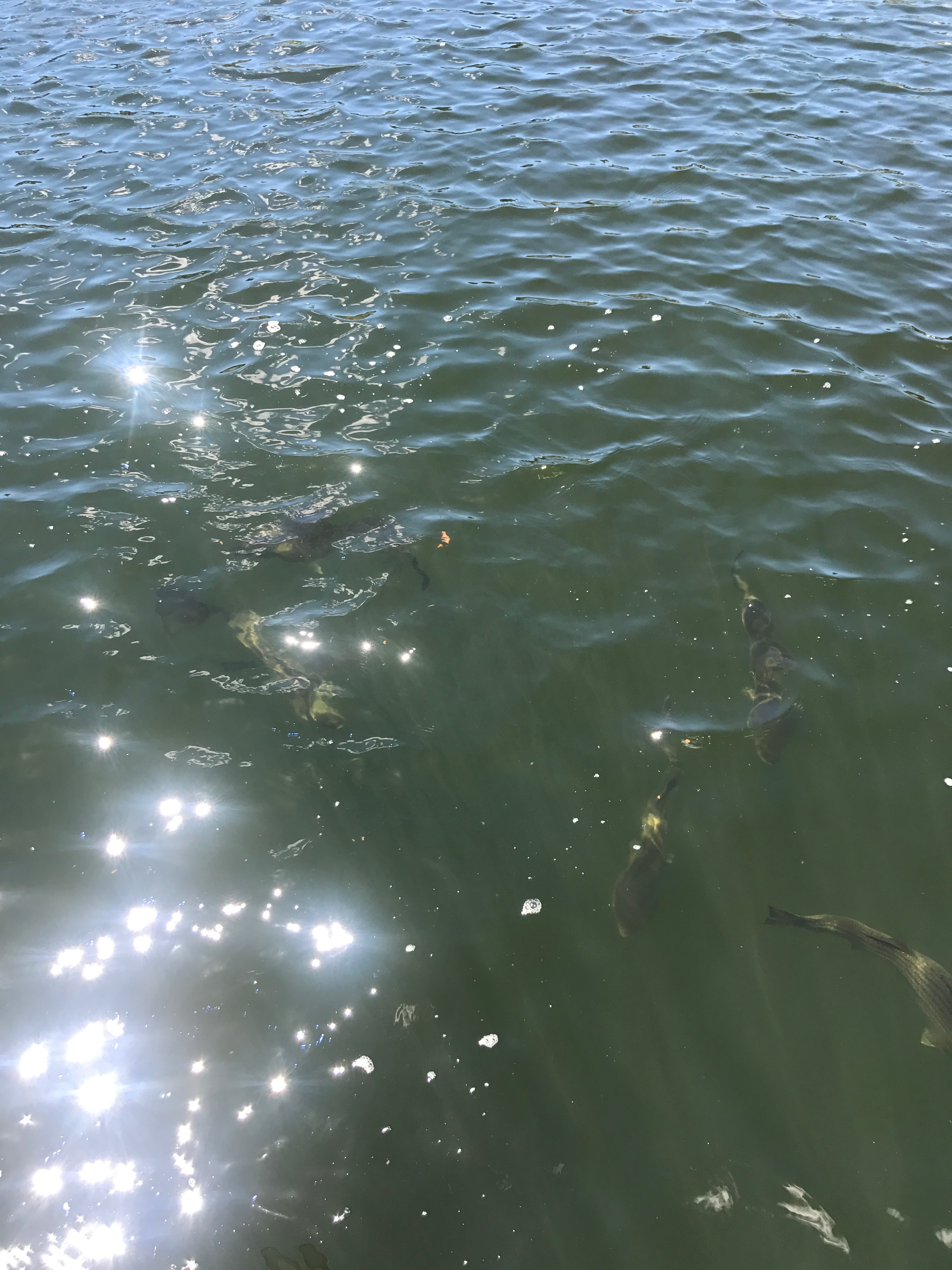
      After a while, my attention turned to another boat that was heading right towards us. It was another cruise ship in the Finest Kind fleet.  It pulled up alongside of us, as our boat swayed against the dock.  Their cruise was ending and the people aboard needed to disembark. We’d have to wait there until they did. I sipped from my ginger ale, slapped on a bit more sunscreen, and watched a school of striped bass swim by our boat. I wish I’d brought along a fishing pole!

      That particular cruise happened to be a lobster hauling excursion. It was set up so that people from away could get a taste of what it might be like to be a lobsterman. They sail out a ways, haul one or two traps, and then turn back around and head for shore.

      The people disembarked, leaving the lobsterman behind to straighten up. If I had to guess, I’d say he was nearly 70. He was ruddy from the sun and wearing hip waders. He worked with his back to us as he tended to the fresh lobster they’d caught that day.

      We were right next to each other. Close enough to see what he was up to, if anyone wanted to and most people did. Lobsters are creepy looking critters, but oh so delicious!

      The people on our boat wanted to ask him questions and didn’t hesitate to do so. For some reason, I expected him to be crusty about it, since we were not on his boat, hadn’t paid for his time and he was probably tired from I don’t know how many excursions already that day, but when he turned around with all of those people staring at him, his face lit up. He prattled on and on about lobsters, cracking jokes here and there. He took one out of the tank and passed it around so people could hold it. I could see from his face how much he enjoyed his job. He took a lot of pleasure in it and I knew immediately that he was a local and loved Maine every bit as much as I do.

      He answered everybody’s questions with a grin so bright, it made the sun look dull. I couldn’t help but smile as I watched him go on with great enthusiasm. I remember that type of enthusiasm for a job. I used to have it when I worked for Baxter State Park. I loved that job and still go on and on about it whenever anyone will let me. When someone loves their job, it shows!

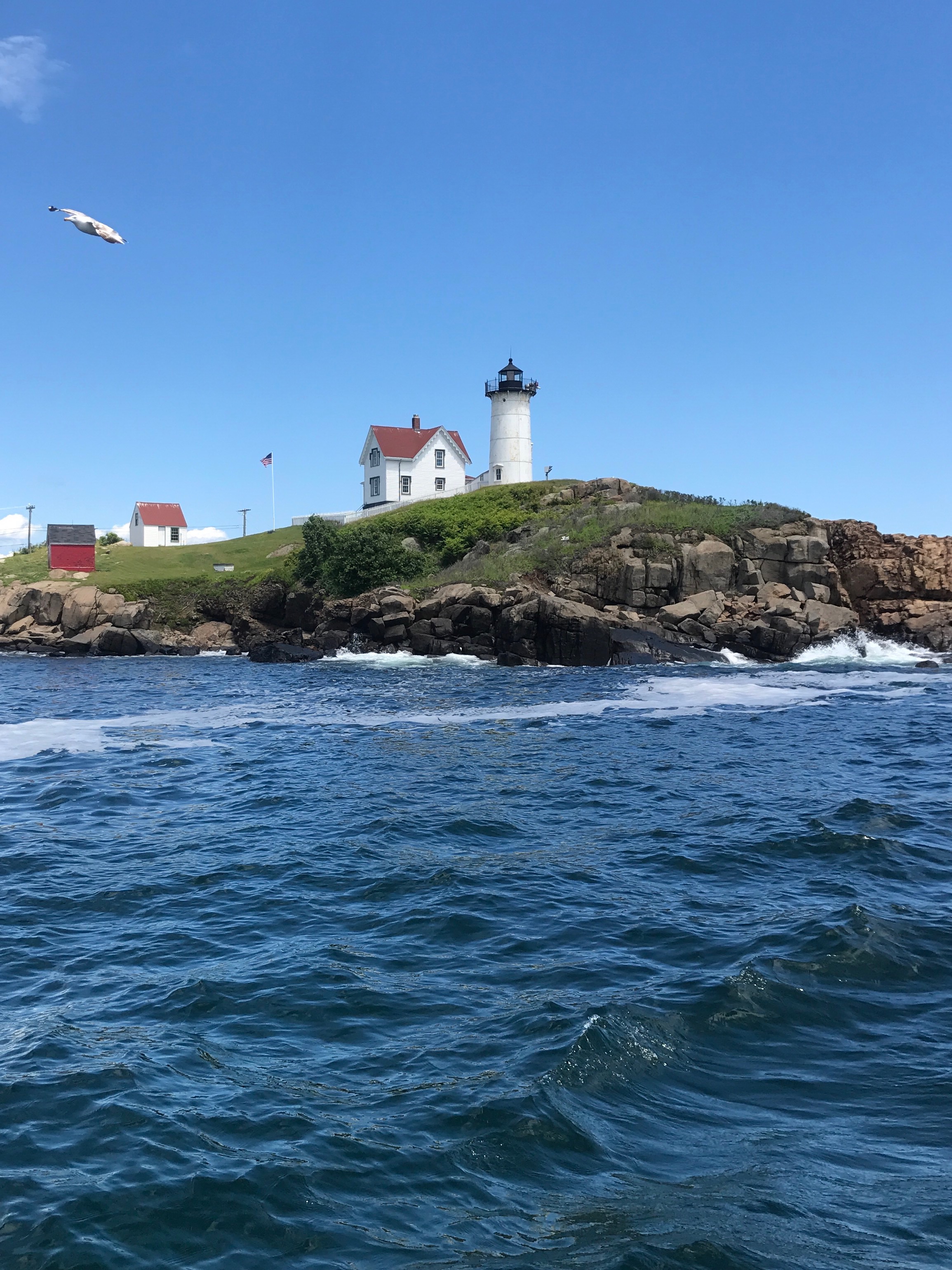
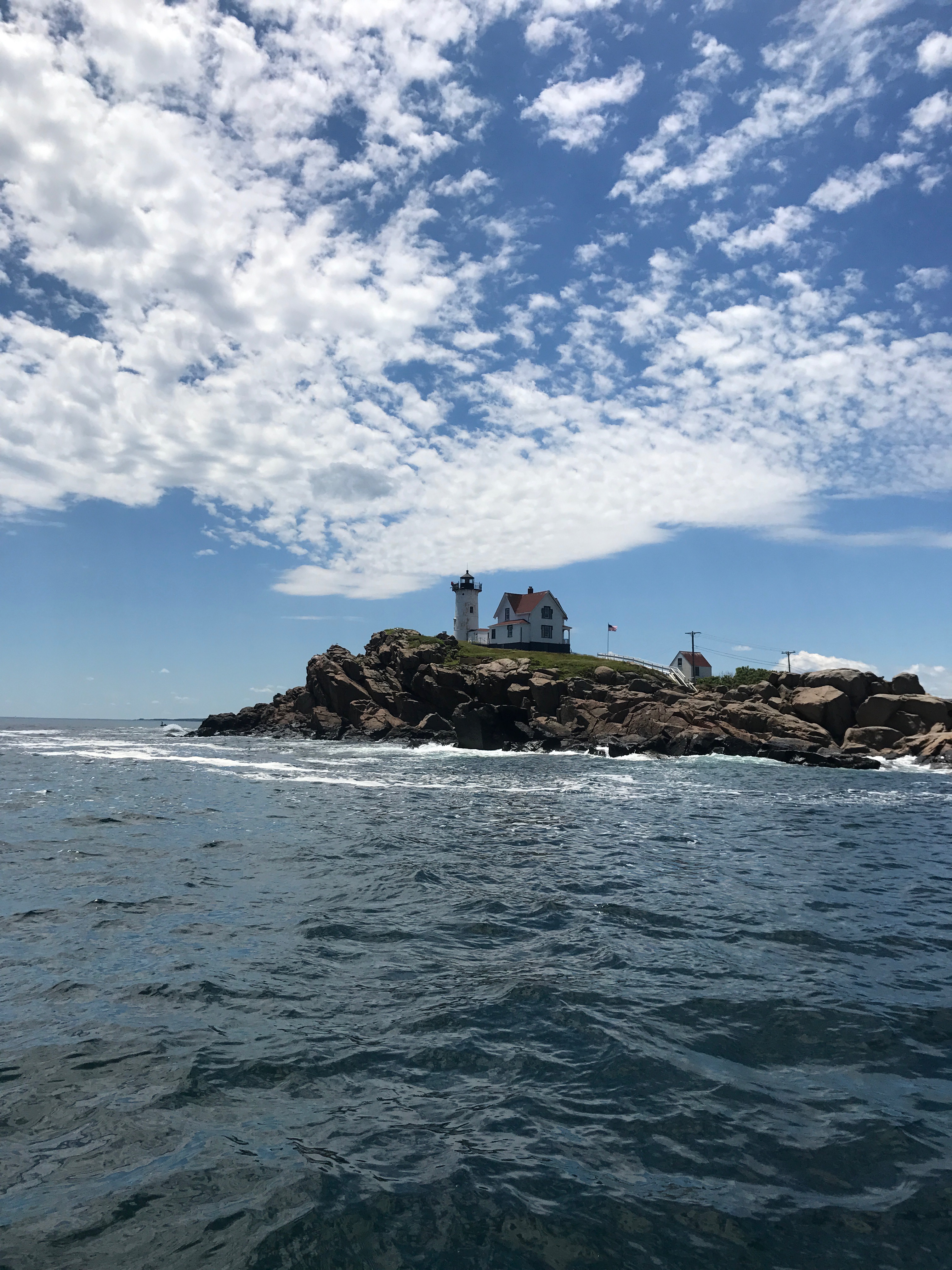
      Our captain came over the speaker and told us it was time to leave. We were heading out to the Nubble Light House off the coast of York Maine.

      The lobsterman almost looked disappointed. He collected the lobster that was getting passed around and tipped his hat to us.

      We pulled out of the dock. Our captain hollered for someone to open the foot bridge so we could pass underneath. He got on the speaker and asked us again if anyone wanted a drink as we sailed on towards York.

      IMG_9650

      IMG_9647


      Posted in Uncategorized | 4 Comments | Tagged cruises, fishing, lighthouse, lobster, lobstering, maine, ogunquit
    • Dear Old Golden Rule Days

      Posted at 10:36 pm by writergherlone, on June 20, 2017

      IMG_9621

      Dear Old Golden Rule Days

      Summer Series (Final story in the series)

      By Kristy Gherlone


      *If you would like to read the entire series, begin with The Long Dirt Road

      **some names have been changed to protect privacy


      My mother huffed a puff of air from the corner of her mouth as she fished a week’s worth of mail out our box in town. A few strands of overgrown hair scattered up and away from her eyes. “Thank God! The catalogs are in,” she sang with relief, as she sifted through the pile. She tossed two thick, glossy books onto the table, where they landed with a thud. She set the rest of the stack on the counter for my dad. “You guys can bring them up to camp and pick out your clothes for the year,” she stated with satisfaction.

      I felt like throwing up. My entire body filled with dread as I dared a glance. The Sears and JC Penny’s catalogs lay there, taunting me. Any excitement I felt about the prospect of new clothes was squashed by the reason I needed them… School!

      “Only two weeks left! I want your list no later than Friday,” she added, as she descended into the basement to finish the laundry before it was time to head back up to camp for our last weeks of summer.

      My lip curled in disappointment and disgust. Only two weeks of summer left! It couldn’t be over already! No more fishing, or swimming, or frog catching! We’d be closing camp for the season and moving back to town! That thought pained me in ways I can’t describe. My life was over!

      I sat heavily in one of the kitchen chairs and shoved the catalogs away. I didn’t want them in my sight.

      “Mom, can I have Andrea up?” I asked, brightening a little with hope. I was grasping for anything that would take my mind off from the impending doom.

      “Absolutely not! We have a lot of stuff to do at camp to get it ready for winter, and we’re not coming back into town next week. I want you girls to clean up that wood and all those nails out at the colony. Then, I want you to go through those games on the porch and put the pieces back where they belong and then…”

      “Oh geez, that’s right! I gotta hurry up and get stuff done.” My dad breezed in and took the laundry basket from my mother. “I gotta get that wood chopped and stacked. I’m gonna need some help.” He gave my sister and I a meaningful look.

      Just shoot me…

      That week, most of my friends would be driving an hour to the mall in Bangor. They’d go in groups with their parents, shop in cool stores, eat lunch in neat restaurants, and maybe even go to the movies after, but the fact that they were having fun and I wouldn’t be, wasn’t what was bothered me.
      In our family, we always shopped by mail order. My mother hated driving and hated department stores even more. We’d learned to accept that long ago. I didn’t really mind because it meant I got to stay at camp longer.

      No, the problem was that my sister and one of the boys that lived next to us at camp had been telling me a thing or two about seventh grade all summer, and I didn’t like what I’d heard. I’d been getting more nervous about it as time wore on.

      “Who’d you get for home room?” my sister had asked that last day of sixth grade, when I’d come home with the packet from the office. She jumped up and down over my shoulder as I read, so she could see too.
      I flipped it over and held it to my chest. “None of your business, Miss Nosey,” I said.

      She ran over to the back door and stuck her head out. “Mom! Kristy won’t let me see who she got next year! Make her tell me!” she wailed. My mother was busy packing the truck, so my sister came back in and tried to snatch the notice away from me.

      “Oh for heaven’s sake. What’s the big deal?” my mother said, hustling back in for more boxes. “Just tell her.”

      “Fine.” I rolled my eyes. “I got Mrs. McDermott. Who’d you get?”

      “Ha!” A wicked grin spread over my sister’s freckled face. “Mrs. McDermott?! Ha ha! She’s mean! She hits kids and everything. You’re going to hate her. Everyone does.”

      “Oh stop that!” my mother protested. “She’s a very nice lady.”

      “You wouldn’t know,” my sister sassed. “Last year she threw a chair at a kid for talking in class.”

      “That’s not true, and you know it! You’d better stop that! You’re going to scare your sister to death!”

      “It is too true. Rebecca told me.” She stuck her tongue out and sneered when my mother turned away.

      A nervous feeling pitted in my gut. I’d heard the rumors too, but I didn’t pay much attention because it didn’t have anything to do with me at the time. Now, it seemed it would.  However, seventh grade was months away. I tried to forget about it as I soldiered forth into the long summer ahead. Unfortunately, my sister had other plans.

      “Hey guess what?” she laughed, running over to the greet the boys next door as soon as we got to camp. “Kristy got Mrs. McDermott for home room next year. And she has her for History too. She’s going to hate her, isn’t she?” She raised her eyebrows knowingly.

      Shane whistled through his teeth. “Geez. Good luck.” He shook his head. “She’s tough! I heard no one passes her class. She yells at kids and last year she made someone cry.”

      She turned to me and smirked. “See? I told you.”

      It was like that all summer. Not just with Mrs. McDermott, but the other teachers on my list were picked apart and analyzed for their worst qualities.

      Now, there I sat with just two weeks left. I was a mess!

      “Shake it up in there! Let’s get a move on!” My dad bellowed impatiently from the truck outside.

      I sighed and started for the door.

      “Don’t forget the catalogs!” my mother called.

      My sister rushed ahead of me and scooped them off the table. “I’m looking first.”

      “Good.” I pouted.

      We climbed into our truck and started on our final journey to camp that year.


      Time is something that can either be a friend or a foe, and as I arrived back at camp for my last two weeks of summer vacation, I felt it snaking around my neck and tightening into a noose. It was my enemy, and I cursed it as much as a kid my age dared.

      At the beginning of the summer, there was so much time, I had plenty to waste. It stretched further than I could see, and held months of mysteries and possibilities. School and Mrs. McDermott had been far into my future, but now it was almost here.

      I stomped down to the lake, found the biggest and clunkiest rock I could find, and hurled it into the water.

      “Stupid school,” I said, scowling into the ripples I’d made.

      My dad saw and heard me. “What in the name of jeeslum is the matter with you?”

      I didn’t turn around.

      “She’s being a big baby cause summer’s almost over and she’s gotta go to school soon.” My sneered.

      My dad shook his head. “Are you going to pout the whole rest of the GD summer?”

      “Maybe,” I glowered.

      “Well, it seems to me like that’ll be an awful waste. Why don’t you go fishing? Who knows? There might just be a trout out there on a day like this.” He winked.

      I started up the pine dock, slowly, with my head down. I didn’t want to let on that his suggestion had brightened my mood in the slightest.

      My mother cut in, “Oh no she doesn’t. She’s going to get in here and help with some of this stuff.” She heaved a plastic tote off the ground and started up the stairs.

      I sighed heavily and started back down.

      “Let the kid fish, Jo.” It wasn’t a question. My dad had spoken and I loved him for it. He knew what I needed.

      “Fine,” she huffed. “One hour and then I want you in here.” She let the screened door slam behind her.

      I ran the rest of the way up the dock and sat down in my special place on the big gray rock.

      You can work out a lot of problems in your head while holding a fishing pole, and after a few minutes, I’d thought of a couple of things that made me feel a little better…sick days, Labor Day, Thanksgiving, Christmas vacation… If I planned it right, I might not have to spend that much time in school after all!

      I smiled and cast out again. My bobber landed with a plop on the wavy surface, dipped out of sight for just a second, then popped back up.

      I looked out over the landscape. The trees on the far shore were changing. Yellows and reds were a contrast to the dark green pines. My heart squeezed. Time really was growing late. I would miss camp over the months ahead. It was my place. I was safe there, but brave. I was a woodsman and a builder. I was a trail blazer and a fisherman. I was a hiker and a frog hunter. I was anything I wanted to be.

      I would miss the sound of the loons calling at night and the waves crashing against the shore. I would miss the pine soft ground under my bare feet and the smell of the boggy water.

      The breeze blowing off the lake was chilly and persistent. I zipped up my sweatshirt and shivered slightly. From then forward, the cool wind would be a daily reminder of the changes to come and wouldn’t let up much.

      That time of year my dad called them ‘the winds of change.’

      “You know why it’s so damn cold dontcha?” he’d ask. “Cause that wind is coming straight down from Canada. Yup, they’re sending us winter, that’s for sure.”

      I didn’t much care for Canada after I’d heard that, but as I sat there, the wind ruffled my hair, tickled my cheek, and helped to dry the tears I didn’t want my dad to see.

      My sister stuck her head out of the front door. “Mom says you have to get in here and now,” she smirked.

      I rolled my eyes, set my pole down, and got up. A flock of geese flew overhead, honking and flapping, bound for someplace warmer. To a place where they could extend their summer by weeks. I wanted to go with them.

      I went inside and washed my hands.

      My sister thrust the catalogs my way as I was drying off. “Mom said you should pick out your school clothes. I already did mine.” She grinned proudly and added, “If I were you, I’d pick something besides jeans and T-shirts. I heard Mrs. McDermott always makes favorites out of the kids who dress nice.”

      Really, just kill me…

      Those two weeks went fast, just like I thought they would. I visited all my favorite places at least a dozen times and said goodbye to the frogs and chipmunks. I walked the length of our cove’s shoreline with the kids next door and lost a shoe in the mud. I helped stack wood, and clean up the colony.

      I managed to pick out my clothes, too. All nice things. No T-shirts or anything. I was going to need all the help I could get.

      The last day at camp, my chest felt tight as we gathered up our things and packed them into the truck. My nerves were jangled as I thought of the coming week and Mrs. McDermott and school.

      I slumped down to the shore and gazed out at my lake and mountain one last time. It was quiet and still for the first time in a while. I wanted to capture that moment and those sights and hold onto them for as long as I could. Maybe it would help sustain me through the rough times ahead. Nine months was a long time to miss something I loved so much.
      Tears stung my eyes as I whispered my goodbyes. “I’ll be back,” I said. My heart was heavy as I turned my back and walked away.

      “Let’s shake a leg!” my dad bellowed. He shut the door, secured the padlock, and hustled into the truck. “I wanna get home! I’ve gotta go and I might as well do it where I can flush.”

      Oh dad..

      On a side note:

      Mrs. McDermott turned out to be tough, but fair. She was not half as bad as my sister and Shane told me, so I worried all that time for nothing! In the end, I think I may have been her favorite. Perhaps it was because of my purple velvet jacket and ruffled white shirt?

      I think back to those years at camp as some of the best in my life.

      The camp was sold a few years back, and it broke my heart. I never had the chance to say goodbye, but at least I will always have the experiences and moments I shared there, if only in my memories.

      IMG_9622

      Posted in Uncategorized | 0 Comments | Tagged childhood, maine, nature, parenting, school, series, shortstory, summer
    • The Best Kind of Company

      Posted at 2:25 pm by writergherlone, on June 17, 2017


      IMG_9552*Some of the stories shared on this page will probably never be seen in the literary magazines.  However, I feel that they have some value and I’m glad to share them with you. “The Long Dirt Road” is the beginning of a series that appeared on my Facebook last year. These stories are about growing up in the Maine woods in a cabin at the lake without electricity or running water in the late 1970’s and early 80’s. Writing them brought me back to that time and I was able to re-capture some of the thrills and the challenges faced.  I hope you find some thrills in reading them. 

      The Best Kind of Company

      Summer Series

      For Andrea. My very best friend


      “Can I have a friend up?”
      It was a question I asked often over the course of a summer when I was a kid growing up at camp.

      I learned never to ask that particular question when my mother would accidentally pound her thumb with a hammer instead of hitting the nail, or when the polyurethane on the furniture she’d painted hadn’t set right, or when the dog had run off to the neighbors…again!

      When I did manage to get the timing right however, her answer was most often, “We’ll see.”
      Now, ‘we’ll see’ can end up meaning a couple of things: yes, or absolutely not, depending on the variables, with the most important variable being who the friend actually was.
      If it was my best friend, then ‘we’ll see’ usually turned into a ‘yes.’

      Wednesday’s were town days for us. Every week we’d have go in and replenish our supplies, wash clothes, and run errands. Exchanges of people and goods could only be done on that day, and I was fidgety and restless all week just waiting for Wednesday to roll around so we could collect Andrea.

      Early in the morning my mother would start loading up our truck for town. “For heaven sake, don’t forget your laundry!” she’d call out.

      My sister and I would shove and trip each other as we bolted up the spiral staircase to our room in the loft. Grimacing, we’d paw through our piles of clothes, hoping to find anything that could wait until next time. Somehow it always looked like my stuff had been the dragged through a bed of pine needles and worm dirt as I sat stuffing my half damp clothes into black plastic bags.

      Windows needed to be closed and pets had to be rounded up and shut in before we could leave.
      My sister would skid ahead of me on the canvas driveway, trying to get to the truck first. I had to hold my tongue and try not to fight with her for the window seat or anything else. A yes could turn quickly into a no if there were any shenanigans on the way back down the long dirt road to home.

      Our town house always smelled musty and strange after being shut up for so long. I stumbled in with my arms full of bags and dumped them on the orangey brown linoleum and bolted back out again.

      Andrea lived in the blue house right across the street, and I raced over without even checking for cars. Oh, the suffering if she wasn’t home! A whole week down the tubes until we came back the next time! If she was home, however, and got permission, my life was made!
      We’d sit on the fluffy pink carpet in her room and talk about all the things we were going to do, while she packed.
      “Should I bring my Barbies?” she’d ask, whipping the hair back and forth on the blonde -haired beauty in question.

      “Hey! Yeah! We can bring the Barbie camper too, and set it up by the lake!”

      Fully packed and smiling like fools, we’d drag her duffle bag and pillows back across the street.

      “Get in,” my mother, looking frazzled and worn out, would utter as she pointed into the truck. “We need to do some shopping.”

      Andrea and I would exchange wicked grins. Cookies and candy! Snack cakes and chips! We were going to need a lot of junk food to keep us going for a week!

      My mother would pull into the parking lot of the Shop N Save. We’d hop out and run in ahead.
      Brach’s candies were first in the aisle, and we’d choose about 5 pounds of caramels and chocolate chews before my mother would come and empty most of it back out. “This stuff isn’t cheap, you know. Go find something else.”
      Little Debbie’s and Andes candies were good alternatives, and several boxes of each were tossed into the cart alongside of the toilet paper and soap.

      Finally, in the stifling heat of the mid- afternoon sun, it would be time to head out of town.
      Truck full of food and clean shorts, we’d climb in, singing and giggling the whole way out of town, annoying my sister immensely.

      Our heads hit the gold metal ceiling of the Custom Deluxe as we bounced around every time my mother hit a pot hole. “Are you kids buckled?” She’d ask.
      I’d fish around and pull out the buckle we had. I’d stretch it wide over the two of us and click it into place.

      It took forever to get to camp! When we did, we’d tumble over each other getting out, and run up the rickety pine dock that led to the big gray rock that sat high above the water.
      The change in temperature and the cool breeze coming off the lake was refreshing.

      “Wanna fish?” I’d ask, thrusting a pole in her direction hopefully.

      “If you put the worm on and take off the fish,” she’d always answer, wrinkling her nose.

      “You kids get in here and help put this stuff away!” my mother would holler from the kitchen window.

      Part II

      “Where should I put my stuff?” Andrea had asked the first year she’d been allowed to spend a whole week with me at camp.

      She clutched the handle of her duffle and stepped into our boxy, brown camp.
      I peered at my sister with begging eyes. She and I shared the loft in the upstairs in our cabin. It was a spacious loft, but there were only two small beds. They hung by chains from the rafters. Andrea loved hearing about our swinging beds and was dying to try them out.

      “No way! Not my bed. You guys can just sleep somewhere else,” my sister wailed, shaking her head vehemently. “Mom! Tell them they have to sleep somewhere else! I won’t be able to sleep if they’re up all night talking!” she cried.

      “You guys work it out,” my mother gave in answer, trying to be diplomatic in the eyes of “company.”

      “Hmm. What should we do?” I ruminated, looking around for another spot we could use.

      Our camp was open and airy. There were no actual bedrooms to speak of. My mother slept on the pull out couch in the living room, while my dad occupied the back room. Neither of them would appreciate the giggling or the crinkling of candy papers that was sure to go on half the night. The only other place would be the screened in porch…

      “Nope. The paint’s still wet on the floor out there,” my mother said. “Besides, it’s gonna be too chilly tonight. You’ll catch pneumonia.”

      “What should we do?” Andrea whispered meekly. She gave my sister a pitiful stare.

      “Fine,” my sister huffed, rolling her eyes. “You can sleep in the loft. But not in my bed and only if you share some of your candy.” She started up the stairs with her clean laundry, smug in her generosity. “And you guys better not wake me up early!”

      So it was settled. I rolled the foldaway mattress out onto the red, slated floor. I would sleep there and Andrea would have her chance at the swinging bed. She loved it! The chains that hung from the ceiling and attached to the bed creaked and squeaked as she rocked back and forth smiling.

      We were young that first summer. We didn’t venture very far from the main camp, but we didn’t need to. We set up the Barbie camper down on the shore, just like we planned. There, the breeze was cool and kept the black flies away. We spent hours in make believe. Our Barbies never had such a summer!

      We caught sunfish and made rocky cages to trap them in the shallows. They found ways to get out, so we built the walls up higher and stuffed pebbles in the cracks.

      We found tiny frogs and tossed them from the big gray rock. Gulping perch jumped after them, snatching them quickly from the surface, leaving giant rings in their wake. It probably wasn’t very nice, but it was entertaining!

      We talked and talked, skipping up and down the road each day. We had the kind of conversations that would only make sense to the two of us.
      “Would you still hang around with me if I walked like this?” I asked, bowing out my legs and shuffling along all catawampus.

      “Probably,” she answered, unconvincingly. “Would you still hang out with me if I looked like this?” She used her finger to push up her nose to resemble a pig.

      “Maybe,” I answered, trying not to laugh. “But I don’t know.”

      We snapped leafy branches from the trees to swat the deer flies away as we walked along.

      The loneliness I felt when she had to go back home at the end of the week was painful. Though we always begged for more time, it was usually rejected.

      “Geesh! One week is enough!” my mother declared. “There will be other times.”

      And there were. Every year, for a week or so, Andrea traded her house in town with electricity and plumbing for the gas lights and the outhouse we had at camp. She never complained. Well maybe about the outhouse…

      Our conversations shifted over the years from Barbies to boys. Our interests changed. We spent less time at the camp and more time walking the road and exploring.

      Our sleeping arrangements changed too. We required more privacy. We could never talk about all the things we wanted to with nosey ears listening. A couple of times we set up a tent in the yard, but it wasn’t much good in the rain, even with the waterproofing. Plus, there might have been bears! A thin layer of tent material was no match for the towering bears we imagined!

      “Why don’t you jokers sleep in the barn?” my dad suggested one year. His voice was gruff, but kind. “It’s not half bad now that it’s painted on the inside. You guys could fix it up.”

      Years before, my dad had bought me a horse for Christmas. When summer came along and he bought the camp, we couldn’t leave the horse in town. We spent all one summer building a barn together up the hill past camp. The horse didn’t last long, but the barn still stood. It was sturdy and private.

      “Yeah! We could make it into a guest house!”

      We hauled in posters and quilts, snacks and lanterns. We spent an entire day fixing it up and both of us had to admit how nice it was. By the light of the day it was pretty neat. After dark, however, the squeaking started. Low chirps at first that turned in to vicious squeals. We turned on the flashlight and pointed the beam in the direction of the noise.

      Bats! We couldn’t get out of there fast enough!

      “What in jeeslum is going on?” my dad bellowed, sticking his head out the door, awakened by our screams.
      “Bats! The barn is full of bats!” we cried, running and tripping over roots as we fled the barn with blankets covering our heads.

      “Oh heck! They don’t eat much! Pipe down and get to sleep!” He shook his head and slammed the door.

      By that time, I had a license and a car and we ended up sleeping in it for the rest of the night. It was uncomfortable and stifling, but safe.

      We evicted the bats over time and plugged the holes in the barn so they couldn’t get back in.
      While we never fully recovered from the trauma of that night, and never stopped checking for bats, we did spend many nights there. My favorite nights were when the air would turn cool and the wind would kick up, causing whitecaps on the silvery moonlit lake.
      We’d sneak out, running in our bare feet down the road to the neighbors’ beach. If no one was home, we’d jump off the wharf there wearing nothing but grins.
      The water was warmer than the air and we would stay in a long time, just laughing and talking well into the night.

      It’s been twenty- eight years since the last sleepover I had at camp with Andrea.
      We both grew up and had kids of our own. We’re busy, she and I, but we still make time to talk.

      I believe the experiences we shared and the memories we made at camp all those years ago cemented us together for a lifetime. She will always be a part of me.

      I pluck snippets of those times from my mind when I need a lift, and they always make me smile.

      Andrea wasn’t just the best kind of company, she was and always will be my best friend.

      Posted in Uncategorized | 0 Comments | Tagged 1970, 1980, cabins, camp, childhood, maine, shortstory
    ← Older posts
    • Recent Posts

      • Art in all Things
      • The Dollhouse
      • The Forest Fire
      • The Carnival
      • No Parking
    • Categories

      • Uncategorized (63)
      • shortstory (4)
      • #prose (3)
      • nature (2)
  • Search

  • My Facebook author page

    Facebook

  • My Twitter page

    Twitter

Blog at WordPress.com.

  • Subscribe Subscribed
    • Official Blog of Kristy Gherlone
    • Join 82 other subscribers
    • Already have a WordPress.com account? Log in now.
    • Official Blog of Kristy Gherlone
    • Subscribe Subscribed
    • Sign up
    • Log in
    • Report this content
    • View site in Reader
    • Manage subscriptions
    • Collapse this bar
 

Loading Comments...