Posted at 6:27 pm by writergherlone, on February 4, 2026
After six long years, I am finally finished with my Victorian dollhouse. It has been such a wonderful adventure, full of learning, building, creating, sewing, painting, and so much more. It has really opened my mind to what I am capable of. I never would’ve imagined that I would build an entire barn, miniature furniture, a miniature boat, or sew tiny clothes, (and so much more) but that is where this project took me. Creating a dollhouse such as this is really just about solving 1 million little problems. It wasn’t easy at times. A lot of people do not know this about me, but I have a chronic rare illness and on top of that, had to have a major surgery during this project. If anything, this dollhouse gave me something to hold onto. It has really kept me sane.
A lot of people played a role in this project, but I never would have even begun if not for my thoughtful husband. I encourage you to read my original post about the dollhouse so that you may understand why it was so important.
A lot of my family is in this house without them even knowing. I made some of the curtains and clothing from my children’s baby clothes. My grandson, Bodie helped me with the mirrored theater ceiling and is proud to say that his name is hidden in the 20th row! Little pictures were printed of my children and grands and set around the house in various places. My dear pets are within as well. My beloved duck Sassafras, who tragically died a few years ago, lent me a feather to make a quill and I used another of her feathers as a paint brush to create the marbling on the library floor.
Some people ask me if it would have been easier to have bought a dollhouse kit. I think for me that would’ve been harder. Sometimes you don’t want to follow rules. For me, never! You need room to be creative. I could not have achieved this by following instructions.
In any case, I hope you have all enjoyed this project. And please reach out if you have any questions. If you ever want to start your own dollhouse project, I am here to help.
I thought I might share a bit of my art today because the truth is, I haven’t written much lately. It’s not exactly that I have writer’s block ( I haven’t entirely ruled that out, although I do have approximately 20 unfinished stories waiting for me to get it together) I think it’s mostly because I discovered that I was capable of other forms of creativity, such as painting.(I didn’t know I could do that until my mid forties!) Then during Covid, I developed a huge passion for cooking, but not just cooking. I realized that I very much enjoyed making artful dishes. And then my husband surprised me with an unfinished dollhouse in 2020 (I will refer you to my earlier blog post about that-including pictures) and through that really began to create things I have never thought I could. Clothes, furniture, paintings, and structures in miniature. In any case, I have been completely side-tracked. I hope I’m not using my new-found creativity to avoid writing, because I actually do enjoy writing. But I also enjoy so many more things. There is literally art everywhere and I want to soak in as much as I can and find out what else I can do. As a life-long anxiety sufferer it truly helps if I’m too busy to notice that I’m always panicking about something. Idle hands are the devils playground, or so I have been told. So anyway, here are just a few of my creations over the last couple of years. I have never been to art school and I’m still learning. But I’m doing it. I’m creating. I’m trying my best to live a peaceful life through art and expression.
In 2020, my husband surprised me with a trip to a dollhouse store a couple of towns over from where we live. I had no idea that such a place existed, and I was perplexed as to why he wanted to take me there. When we went in and he told me to choose any dollhouse I wanted, I must admit that I was a bit annoyed. Yes, I had mentioned on occasion over the years that I’d like to build one, but I don’t suppose I really meant it. Building a dollhouse is a lot of work and the giver of such a gift would have certain expectations. He would certainly expect me to actually work on it. It was generous and kind, I know, but I didn’t know how to take on such a project. What I knew about building anything, came from watching my dad tinkering with projects in our basement when I was a child. I felt rather sick. The ladies working in the shop assured me that most of the dollhouses came as kits, had instructions and plans and while it would be a challenge for a first timer, I could call upon them if I needed any help. I looked around, trying to warm to the idea and my eyes suddenly fell on a giant behemoth of a place. It was at least 4 feet long and just as tall. I asked about it. The ladies told me that a gentleman had brought it in a short time ago. It was not from a kit, but something someone had made. It was unfinished and none of the windows were the same. She told me I would have a hard time trying to find the pre-made building materials I would need, as it was not to scale. As she stood there, trying her best to discourage me from such a project, another customer chimed in that it would be foolish for a first timer to take it on. And just like that, I owned what I was sure was the largest headache in the world. To make matters worse, on the trip home, the turret flew off the back of the truck and smashed in the middle of the road. As we ran around trying to collect all the pieces, something a lot like longing stirred inside of me and an old wound came to the surface.
I don’t talk about my mother very much. It is a difficult subject for me. It has been hard for me to make peace with our past and move beyond some of the things that happened to me as a child. She is gone now, but some of the wounds she inflicted upon me linger stubbornly. The small story I’m about to tell you is one of many that remain forever fixed in my mind.
When I was about nine years old, my mother told me out of the blue one day that I would be getting a package from my grandfather. That she even called him “my” grandfather was something of a novelty. She always referred to him as “her” father. “Her” father and “her” mother. My grandparents lived in upstate New York, and we didn’t get to see them often at all. Once a year, unless they came to see us, which was rare. My grandfather was a skilled carpenter. I knew that not from experience, but because my mother talked about it a lot, so I assumed I would be getting something homemade. When the package finally arrived and I opened it, I could not believe my eyes. It was the most exquisite dollhouse I had ever seen and completely furnished right down to the silver ware. There was even a spiral stairway leading to the upstairs. I was thrilled. I had always wanted one, but we had always been too poor to buy one. We both sat there at the table marveling at his creativity and exploring the many rooms. My mother told me that he had made most of the fine furnishings. I couldn’t believe it was mine! Inside, there was a note from my grandfather, telling me that I could decorate the walls myself with any wallpaper I wanted. I couldn’t wait to get started. Unfortunately, that first day was one of only a few days that I was even allowed to touch it. My mother worried that I would ruin it and lose the pieces. It was just too special for me to be allowed to have. She took it away to her room and there it sat like a relic for all eternity. I remember in my indignant frustration one day, after asking to play with it and being rejected once again, of threatening to call my grandfather and tell him that she had taken it from me. I received a slap for the impertinence and told that I would never be allowed to call her parents about anything. If I needed to thank them for something, she was on the other line waiting to interject whenever she felt necessary.
In time, my wonderful dad stepped in and built me a barbie dream house. He always tried very hard to fix my wounds and I’ll always love him for it. I can say with confidence that I have forgiven my mother for the dollhouse. Whatever deficiency she suffered as a child wounded her also. Perhaps “her” father never had the time to build her a dollhouse. I have compassion for her. Her need to possess it surpassed any duty she felt towards me. Now as an adult, I have a dollhouse. I finally have my own dollhouse. My husband knew that I needed it even if I didn’t. He is such a blessing every single day.
I don’t know how I knew how to do the work it needed; I just know that when I began, I just knew. It was a natural as breathing. I guess I am a carpenter-like my grandfather, though nowhere near as skilled. I had to hand make all the windows. I built the chimney and did all the stonework on the turret and foundation myself. I built the floors and am now working on the inside. I am finally allowed to talk to my grandfather in private, as weird as that sounds. He is dead, of course, but with me very often as I work, scolding when I cut corners and praising when I figure something difficult out. It has been good for me, though challenging at times. I have been working on it for years now, but I have every confidence that I will finish. I’m doing my best to make it as fancy as possibly. The little girl that still lives inside of me deserves it and is more than worthy. Any child that wishes to play with it, will be allowed. There is nothing in it that is more valuable than a child’s spirit.
The ParlorThe little girls roomThe play/learning areaThe Master BedroomThe TheaterGuest BathroomThe basementSecret room
Frankie was seven years old the time her mother pulled up in front of her aunt’s house in a borrowed convertible and hollered for her to come outside.
“I have an arrangement at the lake. Get in,” she said as she opened the passenger door. “We can stay up there for the rest of the summer, but I’ll have to clean cabins.”
Frankie was delighted. She had been missing her mother so fiercely, she’d started wearing one of her shirts to bed, just so she’d feel near. Her mother was wild that summer, sneaking in sometimes in the middle of the night to whisk Frankie away for a few days, other times, not showing up for weeks. She was used to spending a few nights a week with her aunt, but as the summer wore on, her mother began to leave her more frequently and for longer stretches of time. This time, her mother had been gone so long, Frankie was worried she’d never come back. Frankie leapt into her arms and covered her with kisses. Then she sensed her mood. It was something she’d been able to do for a long time. She was glad because it told her how she should feel and how to behave. Today her mother was needles and sparkler spray. Sometimes she was birthday parties and balloons, but at others she was bees and burdocks. Frankie stiffened and slid down. It was becoming harder to tell. She’d have to be careful.
“Where’d you get the car?” Frankie asked. The last time her mother had been by, she didn’t have a car. Frankie inspected it and tried to remain calm.
Her mother’s eyes roamed constantly, as if she was trying to see everything at once. She flinched when a crow flew overhead. “I got it in case I need to escape in a hurry,” she said. Frankie wanted to ask if she would come to get her if that time came. “It’s dirty,” she remarked instead. A thick layer of grime covered the exterior. She ran a finger up the side, revealing the red paint underneath.
“Well, we haven’t had rain in months! Everything’s dirty. Hurry up! We’ve got to go!” Frankie’s mother stomped her foot and rattled the door.
“How long this time, Nancy?” Frankie’s aunt asked. She was standing at the doorway with Frankie’s suitcase.
Her mother glared. “You just never mind how long,” she snapped. “It will be what it will be.”
Frankie grimaced. Her mother and aunt didn’t get along. When the two of them were together it was like getting called to the principal’s office. She loved her aunt because she was always pancakes and coloring books, but she loved her mother more.
“It’ll be okay,” her aunt said with a wink. “Don’t run off without your stuff, now.” She handed Frankie the bag and kissed her forehead. “I’ll see you soon.” She glanced at the car. “Does that thing have a top, Nancy? Supposed to storm later.”
“Nope. It’s busted,” Frankie’s mother said as she scanned the sky. “I guess I can throw a tarp over it if I have to.” Then without warning she screamed, “Tornado!”
Frankie knew there wasn’t a tornado, but she dropped into a crouch right there on the steps and covered her head.
“Good,” her mother said. “Now what?”
“Find a basement to hide in,” Frankie said.
“Very good.”
“You need to stop doing those ridiculous drills, Nancy!” her aunt cut in. “You’re going to scare that child to death!”
“A lot of bad things can happen. I’m trying to prepare her!”
Frankie felt her mother’s mood shift again. It was skating on a pond and hearing the ice crack. She grew still and quiet.
“Prepare her for what, for heaven sakes?”
“The unexpected.”
“Well, a tornado in Maine would certainly be unexpected.” Her aunt shook her head.
“Let’s go!” Frankie’s mother boomed. Frankie jumped. She threw her stuff into the back, kicking up a whirlwind of filth, and hopped in the car.
Her mother’s hair, cut too short, fluttered around her face as they drove up the twisting road towards the mountain. Her hands shook as she fished a pack of cigarettes out of the console.
“You smoke?” Frankie croaked. Her mother said people only smoked when they wanted to kill themselves. Frankie wanted to rip them out of her hand and chuck them out of the car.
She struck a match and lit one. “Sometimes I do and sometimes I don’t,’ she said, flicking the match and letting the wind carry it away. The car swerved. “Accident!” she hollered. “Brace!”
Frankie tucked her head in between her knees.
“You’ll need to be faster than that, Frankie. Accidents can happen at any time. And don’t forget to cover your head.”
Before Frankie could sit back up all the way, her mother was at it again. “Crash!” she shrieked, only this time it was for real. Frankie squeaked as her mother slammed on the brakes. A cow moose bounded on gangly legs across the road and missed the car by inches.
“See?” her mother said, clutching her chest. “You weren’t expecting that, were you?”
“No,” Frankie admitted, trying to catch her breath.
“From now on, you’ll have to be the lookout. Don’t take your eyes off the side of the road for even a second. Tell me immediately if you see anything.”
Frankie stayed alert. She scanned back and forth, looking for animals on the sides of the road while her mother stared straight ahead. She gripped the steering wheel so tightly, Frankie was sure it would disintegrate in her fingers. “We’re here,” her mother finally announced, letting out a sigh of relief. She pulled up in front of a tiny, brown cabin. “You stay here while I go square things with the owner.”
Frankie nodded. Her mother was clean sheets and Saturday morning donuts. Her stomach relaxed. She got out of the car. The air was a mix of boggy freshness from the lake and tangy pine dander. Somewhere, way off, a loon called.
“We’re all set,” her mother said. She dangled a set of keys in her hand. “I’m afraid I won’t have much time to spend with you, so after you put your stuff away you can just go play. But don’t go too far,” she added.
Frankie dumped her stuff into the cabin and started towards the water.
“Wait!” her mother bellowed. Frankie skidded to a stop. “Don’t talk to strangers, especially men. Don’t go into the water past your knees, and for God sakes, get back to the cabin if you see any lightning.”
“Okay,” Frankie said. She took a couple of steps and waited.
“Don’t touch any wild animals and look out for ticks. Put on some bug spray.”
Frankie went back in, grabbed a can of Ben’s, and went back outside.
“You know what?” her mother said, surveying the grounds, “I think you better stay right here. There’s too much that could go wrong.”
Frankie sighed.
“I’ll just feel better,” her mother said. “And don’t give me that look. I’ll be back later and then we can roast some hot dogs.”
That night, Frankie put her sleeping bag onto a platform bed and wiggled inside. The frogs were croaking, ga-gunk, back and forth down by the lake, competing with the sound of distant thunder that had begun. It was warm and cozy in there, and she was almost lulled to sleep when her mother came in to kiss her goodnight. She was the first day at a new school. Frankie’s stomach tightened. “Is everything okay? Is there anything I need to worry about?”
“I’m not sure just yet. I’ll be outside, watching this storm. It might turn out to be a bad one.”
“Okay,” Frankie said. She was too tired to worry.
A few hours later, she awoke with a start. The cabin was pitch black. Her mother’s face was a mask of terror as it came into view, suddenly illuminated by flash of white light. “There’s a fire,” she said, her voice high and tight. She felt like the day her father hadn’t come home. “We need to leave.”
Frankie sucked in her breath, startled, and got a lungful of smoke. It made her teeth chatter. She jumped up, still in her sleeping bag. “Where? What happened? What should we do?”
“I don’t know! It was a lightning strike up in the mountains. All I know is that we need to get out of here before it spreads.”
Frankie wrestled out of the bag and stumbled around in the dark trying to collect her clothes and toys. “Leave it all here! We have to go!” her mother said. She pulled Frankie towards the door. They got into the car and started down the road, but the only way out was blocked by fire trucks and rescue vehicles. Frankie glanced behind them. The side of the mountain danced with orange flames.
“What’s the drill?” Frankie cried. “How do we prepare?”
Her mother’s eyes darted wildly. “I … I don’t know,” she stammered. “I didn’t expect this.”
A fireman approached the vehicle. “You’re gonna have to turn around. The whole road is blocked all the way to town with people coming to help.”
“What are we supposed to do?” Frankie’s mother howled.
“Hunker down the best you can. Cover yourselves with wet blankets or get into the lake if you have to,” he suggested before racing off again.
Frankie’s mother whipped the car around and drove back to the campground. People were pointing and crying. “It’s coming this way!” someone screamed.
Frankie’s mother shouted, “Everyone grab a blanket and head to the lake!”
A panicked woman stood in the middle of the chaos. She seemed to be having a hard time breathing. Her eyes were wide with fear. Frankie’s mother took her hand and tried to pull her towards the shore, but the woman wouldn’t budge. “I can’t swim!” she bawled.
“You’re going to be okay!” Frankie’s mother told her. “It’s going to be okay. Everyone stick together. Follow me!” she ordered over the noise. The woman began to move along with the rest of the others. Everyone followed Frankie’s mother down to the lake. Frankie stopped for just a second to check her mood so she would know how to feel. For the first time in a long time, her mother’s eyes were still. She was learning to ride a bike or climbing to the top of the monkey bars. She was strong.
They all splashed into the lake as hot embers rained down around them. “Wet your blankets and put them over your head,” Frankie’s mother advised.
The water was heated by the sun of a hundred days of summer drought. They were safe under their blankets, but Frankie’s mother announced that she needed to go back to the cabin. Frankie panicked. She grabbed her mother’s legs and tried to stop her. “Don’t go! Please, don’t leave me! Stay here with me!” she begged, sure something awful was about to happen or that her mother would use the car to somehow escape.
Frankie’s mother kissed her nose, “It’ll be okay,” she whispered. Her voice sounded like warm milk and caramels. “I promise. I’ll be right back.” She darted out from under the blanket. Frankie sobbed as she watched her mother dodge falling branches. Just when Frankie thought she’d left for good, she returned and passed around water and food to those in need. Frankie nearly collapsed with relief.
They spent the rest of the night there in the lake, whispering words of comfort to one another and swapping stories. When the sun came up, they were tired, but unscathed. The fire had been contained, but it had cut out a large swath of the trees to the west of them. Frankie saw black scars marring the landscape and steamy whiffs of smoldering ash rising from the ground. The people emerged from the water tired but spared.
The crowd began to dwindle as the roads cleared. They uttered words of thanks to Frankie’s mom as they drove away. She packed up the car and they, too, drove towards town. She didn’t call out any drills on the return, and her eyes stayed quiet. She was the first day of feeling good after a long sickness.
She pulled up in front of a house that Frankie didn’t recognize.
“What are we doing here?” Frankie asked.
“Returning this car,” Frankie’s mother said.
“Don’t you need it? What about your escape? What if something bad happens?” Frankie asked, holding her breath.
“If it does, it does,” her mother said. “We’ll deal with it. Together.”
For once, Frankie knew how to feel all on her own. It was happy.
End
**This story appeared in “Edify Fiction” magazine in 2017
Adeline searched for her mother’s face among the crowds as her tiny frame dangled sideways under the fortune teller’s arm. If she found it, she wondered if her expression would say, ‘I told you so.’
***
The carnival had rolled into town on Thursday night, just as it did every year at the end of April, when it was still early springtime in Maine. Missionville was always first on the carnival circuit and for most people it was an exciting event. It marked the end of the long, desolate winter, and was a delightful teaser to the summer ahead; the first in a long string of thrills, but not everyone felt that way. Adeline’s mother hated the carnival. To her, it was so akin to hell that the fire and brimstone it carried with it melted what was left of the snow. It was a haven for prostitutes and drug dealers and tempted those already on the edge of sin. It was a place rife with danger; where gypsies stole away children, and limbs and severed heads littered the ground around the rides that had claimed them. Adeline was never allowed to go, but that didn’t stop her from asking. She’d started begging as soon as the posters began to pop-up all-over town.
“But everyone else is going. Everyone is talking about it in school,” she whined. “There’s going to be a Tilt-O-Whirl and everything! Janine won a huge stuffed turtle last year, and Sophie said they had the best Dough Boys she’s ever eaten.”
“I don’t want to hear about it,” Adeline’s mother said.
“But everyone will think I’m a freak if I don’t go.”
“I don’t care what everyone thinks,” Adeline’s mother said. “And I don’t care what everyone else does. Gambling is just fine for the likes of Janine,” she sniffed, “but not for my child.”
“She wasn’t gambling,” Adeline sighed. “She was playing a game. You know, like the games we play at the church picnics.”
“Don’t you sit there and compare our blessed church to that rat-infested cesspool,” her mother snapped. “I won’t have this kind of talk in my house. You’re not going and that is that.”
Adeline pouted. She swore her mother hated everything fun. They never went anywhere in the summer except church. While her friends prattled on about camping trips and parades, barbecues and boat rides, Adeline stayed quiet and churned with envy. “But it’s not fair,” Adeline said.
“Fair? You want to talk about fair? How fair is it that I’m the one stuck raising you while your father is off committing I-don’t-know how many sins? How fair is it that I’m working two jobs just so I can put food on the table? Don’t you talk to me about fair! Even if I wanted to let you go, which I most certainly do not, I wouldn’t have the money. I can barely pay the rent, so you can just spend the rest of the afternoon cleaning that pit you call a bedroom and think about that!”
Adeline stormed into her room and slammed the door. Her insides ached with injustice. She jumped onto her bed, snatched her diary out from underneath her mattress, and tore it open. She flipped to a blank page, and wrote, ‘mom is a big, fat jerk.’ The satisfaction she felt was momentary. “I’m sorry, God. I didn’t mean it,” she said, scribbling over what she had written. She yanked out the page, ripped it to shreds, and tossed the pieces into the trash can. She turned her gaze towards the ceiling and folded her hands, “If you’d just please let me go to the carnival, I’ll never say anything bad about my mother again,” she vowed, though she knew it was a lie. It was supposed to be a sin to hate your mother, but sometimes Adeline did. She didn’t understand why her mom was so mean, because the truth was, she didn’t know much about her mother at all. There weren’t any pictures of her from before Adeline was born, and her mother never shared any of the details about her childhood. Whenever Adeline asked, her mother would say, ‘Mind your business.” If Adeline persisted, she’d get mad. “Leave it alone. My past is mine to forget,” she’d say. If she had ever done anything that brought a smile or provoked a laugh; if she had ever done anything silly or even remotely adventurous, there was no sign. Adeline had never even seen her laugh, and the only smile she ever gave was the fake one she wore at church.
“I don’t hear any cleaning going on in there,” her mother hollered.
Adeline jumped off the bed. She stuck her tongue out at the door and kicked a pile of dirty clothes underneath her dresser. She’d never met her father, but sometimes she wished he’d taken her with him when he left. She thought about that while she cleaned her room.
***
“And the Lord said, “Go into all the world and proclaim the gospel!” Pastor Cranmore boomed during Wednesday evening service.
Adeline, who’d fallen asleep, jumped to her feet. “Pepperoni pizza!” she cried out, still in the throes of a dream. Everyone turned to stare. Adeline’s mother grabbed the back of her pants, hauled her back down into the pew, and gave her a scathing look. Adeline shrugged.
“Let us pray,” Pastor Cranmore said. Everyone bowed their heads. “Lord, please look over my flock as they venture forth to do your work. Protect my children as they descend upon that heathen carnival to deliver your words and let them be heard, in Christ’s name, Amen.”
Adeline’s heart skipped. Carnival? She sat up straight and stole a sideways glance at her mother. She was frowning.
Adeline smiled and clasped her hands. “Thank you, God,” she whispered.
Her mother elbowed her in the rib. “Don’t get too excited, young lady. I have no intention of going.”
“But…” Adeline started.
“We’ll discuss this later,” her mother hissed. “Now pay attention.”
Adeline scowled.
“Now, I’m going to need some volunteers,” Pastor Cranmore said. He scanned the congregation. His eyes fell on Adeline’s mother. She stiffened. “Charity Loveridge, I’d like you to take the lead on this. We’re going to need some brochures and…,” he continued, talking on and on, but Adeline didn’t hear the rest. She was going to the carnival!
***
“Remember, we are here to do the Lord’s work, young lady, and nothing more,” Adeline’s mother said the next evening when the church van rolled into a parking space on the edge of the fairgrounds.
Adeline’s face was pressed up against the window in the back seat. “I see Janine! And there’s Ramona!” she exclaimed.
“Did you hear me?”
“A Ferris Wheel! There’s a Ferris Wheel! Oh! Can I go on it just once? Please, please, pretty please?” Adeline begged.
“Adeline Louise,” Adeline’s mother snapped, “I already told you ‘No.’ We’re going to hand out church fliers and that’s all.”
“But that’s not fair!”
“Don’t start with that again. You knew how it was going to be. Now come on. The sooner we hand these out, the sooner we can leave,” she said, slapping a stack of papers into Adeline’s hand.
Adeline pouted. She took the brochures, hopped out of the van, and joined the others who had gathered.
“Okay, everyone,” Pastor Cranmore said as he got out of the van as well. “Let’s break up into our groups. We’ll meet back here in an hour.”
“Come on, Adeline,” her mother said, casting a wary glance toward the entrance. “Let’s get this over with.”
Adeline couldn’t contain her excitement. The music! The people! She’d never seen anything like it! It was all so thrilling! She skipped on ahead.
“Get back here this minute,” Adeline’s mother barked, running to capture her. Her hand shook as it closed around Adeline’s. “This place is so full of sin, I can feel it from here.”
Adeline didn’t know how something so wonderful could be such a sin.
“Tickets!” The man hollered at the gate. “Get your tickets! Ride all night, only twenty bucks!” he said, waving a string of colorful stubs. He gave Adeline and her mother a lop-sided grin, revealing a mouth full of blackened teeth. “How about it, pretty little ladies? Tickets?” he winked.
Adeline reached out to take one, but her mother slapped her hand away. “No thank you,” she said to the man, her fingers tightening around Adeline’s hand, “but if you care to spare a minute, I’d like to talk to you about Jesus,” she said, pulling out a brochure.
The man’s smile turned into a scowl. “Lady, do I look like I want to talk about Jesus? Cripes,” he growled, “move it along before you scare off my customers!” he said.
Adeline’s mother sighed. “Well, I didn’t say it was going to be easy. Let’s start in the back and work our way through,” she said.
Adeline trailed behind, taking in the sights and smells.
“Everyone’s a winner, folks!” A man shouted as they entered the game section. “A dollar a try!”
Adeline saw some kids from school playing a basketball toss. They looked like they were having a blast. She wished she could play too. “Can I go and say hello?” she asked, hopefully.
“No. You need to stay with me,” her mother said, stopping to give a brochure to a young couple with kids. When they started moving again, Adeline saw a tent with a sign on the outside. It said, ‘Fortunes Read. Five Dollars.’ As she contemplated what it might be like to know the future, an old woman emerged. She wore a funny hat and a long dress. When she saw Adeline, she waved. Shyly, Adeline waved back.
“Adeline!” someone screeched from somewhere behind. Startled, Adeline whipped around. It was Ramona. She was carrying a giant stuffed lion.
“Wow! Where’d you get that?” Adeline asked, reaching over to stroke it.
“I won it,” Ramona said proudly.
“Lucky!” Adeline said enviously.
“I’m glad you’re here,” Ramona said. “No one will go on the Zipper with me. Can you?”
“What’s a Zipper?” Adeline asked.
“Only the coolest, scariest ride ever,” Ramona said. “It’s this big cage thing that takes you up in the air and turns you upside down. Last year a kid threw up on it. It’s real neat.”
It did sound scary, but it also sounded fun. Adeline looked at her mother with pleading eyes.
“Absolutely not. It’s not safe,” she said.
Just then, Pastor Cranmore and some of the other members of the group walked up and began talking to Adeline’s mother.
“Well, I better go,” Ramona said. “I’ll see you around.”
“Okay, bye,” Adeline said, disappointedly. She glanced over at the tent again. The old woman was still there. The way she kept staring made Adeline nervous. When she motioned for Adeline to come over, Pastor Cranmore said, “Looks like that lady wants a brochure. “Go and give her one, Adeline.”
Adeline didn’t want to. She hid behind her mother.
Distracted, Adeline’s mother shooed her out, “Go on and do what you’re told,” she said.
Reluctantly, Adeline walked over to the tent and held a brochure at arm’s length. “Here’s some stuff about Jesus and things,” she said.
The fortune teller smiled, “Thank you,” she said, reaching out to accept it. “Come on inside. I can’t see a thing without my reading glasses.”
Adeline looked back towards her mother. She was still talking. Adeline knew she shouldn’t, but she followed the fortune teller inside anyway. Before she knew what was happening, the fortune teller snatched her up and carried her out the back!
Adeline wiggled and thrashed, but the fortune teller tightened her grip and hurried toward the back field. Adeline tried to call out before she could be carried further out of sight, but the old woman clamped her free hand over Adeline’s mouth. “Shush,” she said.
The intoxicating aroma of grilled onions, fried sausages, and cotton candy dissipated as they moved further away from the fairgrounds, and it began to smell more like Porta Potties and grease. It was quieter back there, but Adeline could still hear the muted sounds of music and laughter. Every so often a shriek of terror or perhaps delight would pierce the air, as whoever it came from churned around inside of the Zipper. Adeline had wanted to go on the Zipper, but her mother had said no. “It isn’t safe,” she’d said. Adeline smirked, despite her dilemma. “Yeah. This was so much safer,” she mumbled, rolling her eyes.
“What’d ya say girl?” the fortune teller asked.
“Nothing,” Adeline said.
The old woman’s pace began to slow as they neared a row of campers. “Well, we’re here,” she said, coming to a full stop. “It ain’t much, but it’s home.”
Adeline lifted her head. “Home” was a rusted, red trailer that looked so fragile, a stiff wind could probably blow it to pieces.
“Dale!” the old woman screeched. “Where you at, boy? You come on out here and help me with this child,” she huffed, out of breath. She set Adeline down but kept a grip on her arm.
Adeline cringed as a large boy wearing a grimy, white T-shirt shirt busted out through the door.
“Who’s this?” the boy asked, giving Adeline a once over.
“Don’t matter who. You just help me get her inside. And quick,” she said, stealing a wary glance around.
The boy called Dale bolted down the steps and scooped Adeline up. She didn’t even try to fight or get away. She just let him carry her up the steps and inside.
“Have a seat,” the fortune teller said, and following them in.
Adeline hesitated, glancing toward the door.
“You can run if you want,” the fortune teller said following Adeline’s gaze. “but I wouldn’t advise it. The carnival can be a pretty dangerous place for a girl alone. Ain’t that right, Dale,” she said, shooting him a look.
Dale pulled a small knife out of his pocket, held it up to the light, and ran his finger along the edge of the blade. Adeline’s heart skipped. This is it, she thought, I’m about to be killed! She had to think fast. “Did you know that Jesus says it’s a sin to murder, especially children?” Adeline asked, “so, you should probably let me go. I wouldn’t want you to get into trouble.”
“No one’s gonna hurt ya, honey,” the fortune teller said. “Dale can be a little rough, but don’t be scared. He’s harmless. He don’t know no better.”
Adeline wanted to believe her. She eyed Dale suspiciously and was relieved when he plucked a chunk of wood from the table and began to whittle with the knife.
“Dale, you go on outside now. I’ll call you if I need you,” the fortune teller said.
Dale took the wood and knife and went back outside.
The fortune teller turned her attention back to Adeline. “I just want to talk with you a while,” she said. “That’s all.”
Adeline couldn’t imagine what they’d have to talk about or why.
“What’s your name?” she asked.
“Adeline.” Adeline said.
The old woman smiled. “That’s a right fine and proper name. People call me Ro. How old are you, child?” she asked.
“Eight,” Adeline said.
Ro sucked in her breath and put her hand to her heart. “My goodness. Eight whole years,” she shook her head. “Time does fly. Doesn’t seem like so long ago that my little girl was eight.”
“You had a little girl?” Adeline asked, shocked by the notion.
“Yep, I sure did and she was a beauty. Course not quite as pretty as you,” she winked, “but she was a looker, that one. And the talent! People came from all around just to see her perform.”
Adeline’s interest was piqued. “What did she do?” she asked.
“Do?” Ro cried. “Why, she was one of the biggest deals around, that one! She was a Trapeze artist!”
“Wow! That’s neat!” Adeline cried.
“Mmm hmm,” Ro nodded proudly. “Oh, that girl worked so hard. Up each morning at four; practicing until it was too dark to see. Couldn’t keep her away from it. She was addicted. She started young and made quite a name for herself here on the carnival circuit before she even turned ten.”
“She lived at the carnival?” Adeline asked incredulously.
“Of course she did. I raised her right up in it. She loved it. Yep, she was a carny girl through and through,” Ro said.
“I wish I lived at a carnival,” Adeline said. “I bet it’s fun. I bet you get to travel around and visit all kinds of places. I almost never get to do anything. Do you like living here?”
“I do. Been with it a long time. I suppose it’s like everything else, there’s good points and bad ones. Sometimes it can get real lonely. I sure do miss my daughter,” she said.
“What happened to her?” Adeline asked. “Did the Gypsies steal her?’
Ro laughed heartily. “’Course not. She grew up, like all kids do,” she said. “She fell in love and had her heart broken when her honey ran off with the snake charmer. She blamed it on the carnival life. She blamed me. When she found out she was gonna have a baby, and couldn’t perform anymore, she got terrible depressed. There was nothing anyone could do for her. When the Christians came, one of them told her that the carnival folk were all sinners. Said her misery was her own fault because she lived a life full of sin. He promised her a new life full of happiness if she left and joined their church. He told her that God could make her happy again.”
Adeline thought about that. Her mother believed in God, but she wasn’t happy. “Did she go with them?” she asked.
Ro gave Adeline a sad smile. “She did.”
Adeline felt bad for her. “The Christians aren’t bad,” she said, trying to lighten her mood. “They’re mostly nice, I guess. They wouldn’t hurt her or anything.”
“Oh, sweet pea,” Ro said, reaching over to touch Adeline’s cheek. “No group of people is all bad or all good. It’s a dangerous thing to think that way. You have to take each person, individually. What that man said about carnival folk all being sinners was wrong. That did hurt her. He convinced her that she was a bad person just because of where she came from. It doesn’t matter where you come from, it matters what’s on the inside. The carnival does have some awful sinners, but you might be surprised to know we have some Christians here too.”
“You do?” Adeline asked, surprised.
“Sure we do. Religion can be a wonderful thing to have in your life, just so long as that’s not all you have. You have to make time for other things. One thing my girl should have known, being a trapeze artist and all, is that you gotta have balance. If you lean too far in one direction you’re bound to fall. It’s best to stay right in the middle. She forgot that she was always the happiest in the middle. ‘Course if you stay grounded,” she added, “you can’t fall at all, but some people are born with their head in the clouds and that’s a whole different story.”
Adeline wanted to hear that story but didn’t dare ask. “Did she ever come back to visit?”
“I’m afraid not. She swore she’d never set foot in a carnival again. She said she wanted to forget about the past.”
“That’s what my mom always says,” Adeline said.
“Well, sorry to be the one to tell you, but that ain’t right. If you forget the past, you forget everything. The good and the bad. The happy and the sad. It’s all part of who you are. It’s all part of who you become.”
Adeline vowed to tell her mother that. If she ever saw her again.
As if reading her mind, Ro said, “Well, I hate to, but I suppose I’d better take you back. I’m just so glad I got to meet you.”
Adeline smiled. “I’m glad I got to meet you too.” She knew her mother must be worried, but part of her she wished she could stay a little longer. “I hope you get to see your daughter again,” she said.
“I’m sure I will,” Ro said knowingly. “Sometimes folks just need a little reminding from time to time.”
Adeline started for the door. “Can you really tell the future?” she asked, turning back around.
Ro chuckled. “I get a glimpse every once in a while,”
“Can you tell me mine?” Adeline asked hopefully.
“Let me see your hand,” the fortune teller said.
Adeline held it out. The old woman captured it, turned it over, and traced her finger along the palm. “Looks like you’re going to have a busy summer. I see some adventures coming your way,” she said.
“Are you sure?” Adeline asked excitedly.
“The outlook is good,” Ro winked.
Adeline prayed it was true.
“Just remember, a person’s future is up to them,” the old woman said. “Keep an open mind and you’ll do alright.” She opened the door and together they started back towards the fairgrounds.
“How are we going to find my mother?” Adeline asked, looking around at all the people.
“Don’t you worry. I think I know where she might be,” Ro said. “At least I hope so,” she added under her breath.
They walked on and on until they came to a large, tented arena. Ro ushered Adeline inside. “There she is,” she said, pointing towards the ceiling. “I knew she’d come to her senses, eventually.”
Adeline couldn’t believe her eyes. Her mother was on the high wire! She wore a smile so bright, Adeline almost didn’t recognize her.
“Hi Adeline! Hi Mama!” Adeline’s mother hollered, waving enthusiastically when she spotted them. “I’d forgotten all about this! I’d forgotten how much fun it was!”
Shocked, Adeline turned to Ro.
“People call me Ro, but I hope you’ll call me Grandma,” she said.
Adeline laughed. “Really?”
“Come on up here, Adeline,” Adeline’s mother called. “You’re going to love this!”
End
**No part of this story may be copied or reproduced without written consent from the author.
It was early September in 1973 when Stevie stood in bare feet on the edge of her grandmother’s yard and watched the bus pull up and park.
The ground was chilly that time of year in Maine, but her feet had grown so tough and calloused over the summer, she hardly even noticed.
She went out to the street and circled the length of the bus. It might have been bright red at one time, but a layer of rust clung to the exterior. It made the whole thing look as if it had been painted with blood and set out in the sun to dry. She shook her head and sighed. The entrance doors screeched as they flapped open. Her mother poked her head out and grinned. “Hey, kiddo. Whaddya think?”
“Are we really going to live in that thing?” Stevie asked.
Before her mother could answer, the rear exit opened with a clanking boom and slammed against the side of the bus. It caught Stevie off guard, making her jump. The heel of her foot landed on a sharp stone. She cried out and hopped around, rubbing at it, as her father began to hurl vinyl and steel into the road.
“It’s going to be an adventure. You’ll see,” her mother hollered over the noise as she bounded down the steps.
“Why can’t we just stay with Grandma?”
“What?” her mother mouthed, pointing to her ear.
Stevie waited for a pause in the noise before asking again. “Why can’t we stay with Grandma?”
“She doesn’t have room. You know that. It’s bad enough that we’ve taken up her yard all summer with our tent. Besides, your father can make a lot more money on the road.” Finally noticing Stevie’s discomfort, she asked, “Where are your shoes?”
“I still don’t have any. Remember?”
“Oh. Well, we’ll get you some. Listen, I’ve gotta give your father a hand. We should be finished gutting it today. Going to be just like a regular house when we’re done.” She slapped the side for emphasis. Gold flecks shimmied the ground.
Stevie bent over and scooped up a handful. She took a plastic bag out of her pocket and sprinkled some inside. She tucked the bag back into her pocket.
“Will there be a bathroom?” she asked, as more parts of the bus clattered into the road.
Her mother raised her eyebrows in question. “What, Stevie? I can’t hear you.”
Stevie shook her head. “Never mind.” She wandered over to her grandmother’s lawn and sat.
She ripped out a handful of grass and flung it over her head. As she watched the stray pieces flutter and fall, she noticed something white. She snatched it from the air and examined it. A feather! She put it in her pocket.
She scowled at the bus. She couldn’t help wishing she was back home. But home, as she’d grown to think of it, never belonged to them. They’d only been renting the pretty little farm house on Merry Meeting Bay. Not even the furniture was theirs, but it was the longest they’d stayed anywhere.
Green rows of farmland swept wide on both sides, and the bay was right out front. There was even a treehouse in the back yard. It looked impossibly high when she’d first seen it. It was way out of reach for someone her age. She’d stood at the base and peered up at the tiny house in the branches. It seemed as though she’d never be big enough to climb up and see inside, but eventually, she was.
She and her mother used to take long, lazy walks down to the shore in the afternoons. A crooked cedar tree jutted out over the water, and Stevie used to climb up on it like a horse and sit there watching the ducks and geese take off and land. The air smelled of flowers, and of hay and boggy water. Sitting there with her mother in the scented air warmed her tummy. She was beginning to wonder if she would ever feel that way again.
Her father had been a carpenter. He made good money, but he hated the work. He wanted to be a singer in a band. Every weekend he’d hold practice at the house. Friday night, cars would pile into the driveway and spill out scruffy men carrying guitars and beer. They’d listen to loud music and try to copy the sounds they heard with their own instruments. Stevie’s nose stung from the acrid smoke wafting out of their skinny cigarettes. The smell made her dizzy and giddy. On Saturday mornings, she’d have to pick her way around half a dozen sleeping men to get to the kitchen. When her father was a carpenter they could afford to pay rent, but not anymore.
Stevie had come home from school in the spring to find the kitchen full of boxes.
“What’s going on?” she’d asked her mother.
“Your father’s quit his job. He’s going to play music full time. We can’t stay here anymore. We’ve been evicted. We have to be out by the end of today.”
“What?” Stevie cried.
“Take what you can carry. We’ll have to leave the rest behind.”
“Where are we going to go?” She couldn’t breathe.
“We’ll think of something. You know your father hates staying in one place too long, anyway. This is a good thing.” Her mother stopped packing and smiled with reassurance. “A really good thing. I promise.” She planted a kiss on Stevie’s forehead. “Go on, now. Git!” She swatted her with a spatula.
Stevie picked up a few empty boxes and climbed the narrow stairway to her room. She looked around, trying to decide what to take with her.
Her father peeked in. “Just the essentials. I need room for my equipment.”
“Well, what should I bring?”
“None of that junk, that’s for sure.” He pointed towards Barbie’s town house and a collection of stuffed animals. “Just pack some clothes and whatever else you absolutely need.”
“Dad! I can’t leave all my stuff behind!” She snatched a Teddy bear from the floor and hugged it to her chest.
“You’re just going to have to. Besides, you can’t go anywhere in life if you’ve got too much junk weighing you down. Keep things light, then you can hit the road whenever you want. Don’t ever ground yourself with material stuff.”
“But, Dad …”
“Nothing is permanent. Remember that.”
Stevie’s eyes filled with tears.
He turned away. “Leave it all here.” His shoulders were tight as he paused at the doorway. For a second, Stevie thought he might change his mind. “I mean it,” he said, and started down the stairs.
Stevie loved her father, but in that moment, she hated him, too. She hated him for quitting his job. She hated him for making them move. It wasn’t fair. He didn’t even sing all that well, and everyone knew it. People lied to him to make him feel better, and now it was going to ruin everything! She may have only been eight, but she knew that much.
She closed her eyes and prayed that roots would grow out of her feet. She envisioned them busting out of her skin, breaking through the floor, and snaking through the thick earth beneath the house.
Her mother hollered up the stairs. “Get a move on!”
She checked her feet and scowled when she didn’t see anything. She stuffed a few of her favorite things in the boxes and hid them under her clothes.
Later that afternoon, it felt as if she was leaving pieces of herself behind as they pulled away from the house for the last time. It made her feel sick and weak and hopeless as she watched the house get smaller and smaller in the rear window. Her stomach flipped when she thought about some strange kid playing with her toys.
They had to stay in a tent in her grandparents’ yard ever since. Stevie’s mom said it was just until they figured things out, but it had already been months.
***
Stevie’s mom got off the bus. She shook padding and dust out of her hair as she climbed down the steps.
Stevie stood and put her hands on her hips. “How am I supposed to go to school?” she asked.
“You’re not. I’m going to teach you. Isn’t that neat?”
“But you’re not a teacher.”
“So? That doesn’t mean anything. I wouldn’t worry about it. The stuff you’re going to learn can’t be taught in school.”
“You know, I could always …”
“You’re not staying here.” Her mother’s voice was firm.
“Fine.” Stevie ran to the tent and dove in.
Stevie’s father finished fixing the bus the day before the sky spit the first snowflake. She was allowed in for the first time. All of the original seats were gone, except for the driver’s. Towards the front, there was a small table and chairs, a battered love seat, and a pot-bellied stove. Out back, there was a walled-in room for her parents and a bunk for Stevie in the middle. In place of a bathroom was a plastic toilet that had to be emptied. A shower curtain enclosed the area, giving it a small measure of privacy.
“This is it?” she asked in surprise.
Her father whirled around. His eyes were full of disappointment. “What more do you need?”
Stevie got off the bus and ran over to her grandmother. “Don’t make me go. I don’t want to leave,” she whispered. She jumped up and wrapped her arms and legs around the woman.
Stevie’s grandmother unwound her and set her down. “You take care now,” she said, dismissing her with a kiss on the head. “Be wary of strangers,” she added, swatting her on the butt. Her eyes twinkled as she reached up to capture her son’s face. “I’m just so proud of you,” she beamed, squeezing his cheeks. “I’m proud of all of my kids, but you …” she pulled his face down to meet hers. “You are my star.” She kissed him on the nose. “Follow your dreams, Frankie. You’re going to be a big hit.”
Stevie’s father grinned.
“Corrine? You take care of my boy. Hear?”
Stevie’s mother cleared her throat. “Of course, Mother.”
She waved from the driveway as they pulled away from the curb.
The first night on the bus was cold and strange. They’d driven several hours before her father pulled down onto a dirt road and parked. The heat from the stove didn’t reach all the way to Stevie’s bed. Unfamiliar noises like wolves howling and a woman’s screams sneaked in through the windows. Stevie wrapped herself in a blanket, plodded down to the front, and fell asleep in front of the stove.
The next morning when she woke up, her neck was stiff and sore. She untangled herself from the blanket and peeked out the window. There was a police car parked next to their bus. She tip-toed to the back of the bus and woke her father.
“Break down?” the officer asked.
“Nope. No sir. We’re just fine.” He scratched his chest and yawned.
“This here is a private road. I’m going to have to ask you folks to leave. You can’t park out here like this.”
“Sorry. We’ll be on our way real soon.” He began to close the door.
“That kid in school?” the officer asked, nodding towards Stevie.
“That’s none of your damn business.”
“Well, actually it is.” He smiled at Stevie. “How old are you, honey?” he asked.
Stevie’s father pulled the door shut. He jumped into the driver’s seat and started the engine.
The officer pounded on the side of the bus. “It’s against the law! She needs to be in school.”
He put the gears in reverse and pressed the gas pedal to the floor. Stevie’s heart pounded as the tires kicked up rocks and dust. They flew out of the road backwards and sped away as soon as they reached the pavement.
As time went on, Stevie’s father got a better feel for where they could and couldn’t park in each of the towns they visited, but it wasn’t always foolproof.
They’d been on the road for a couple of months when they pulled into the driveway of an abandoned farm house. They’d stayed there a couple of times and no one had ever bothered them before.
Stevie liked to explore the half-fallen down barn on the property. She was doing just that when she noticed a man come out of the woods across the field and start walking towards her. She wasn’t scared until she saw that he had a shotgun slung over his shoulder. She froze.
“You got any parents around?” he asked. He lowered his arm, letting the strap fall. He caught the gun in his hands.
Stevie nodded, wide-eyed, and motioned towards the bus.
“Get ‘em,” he ordered.
Stevie’s feet flew. She bounded up the stairs out of breath. “Dad! There’s a man out there with a gun!” she cried. “He wants to talk to you.” She ran and hid behind her mother.
Stevie’s father shoved his feet into his shoes. “Stay here,” he said.
Stevie watched from the window as her dad got off the bus. “Can I help you?” she heard him ask. His voice was high-pitched and nervous.
“Yeah, you can help me. You can get the hell off my property. Goddamn squatters think you can just park anywhere you want. You have exactly five minutes, too, before I start shooting.”
“Sorry. We didn’t know anyone lived here,” Stevie’s father explained, holding up his hands in apology.
“Don’t matter if anyone does or doesn’t. It ain’t yours, is it? You’re probably the same damn folks that have been tearing up my road. It’ll take me all spring to right it again.” He held up the gun. “Now git and don’t ever come back. You hear me?”
“I’m sorry we invaded your space, man, but you got no call to point a gun at me,” Stevie’s father said.
“Don’t you tell me what I got the call to do on my own damn property. I could shoot you right now just for trespassing. I suggest you get back on that rattletrap of yours and get the hell out of my sight.”
Stevie’s father didn’t argue any further. He jumped back in and started the bus. “Hold on,” he said grumpily.
He gunned the engine and wrenched the gears into drive. Clots of mud flew up and splattered the windshield. Stevie dared a glance back as they pulled away. The man chased after them screaming words that were swallowed by the sound of the spinning tires.
When they got out to the pavement, he whipped the bus around and didn’t stop driving until they came to a shopping plaza. He drove to the end and parked.
“I’ve gotta look for work,” he said, shoving his feet into his scuffed cowboy boots. “Stay here. I’ll be back as soon as I can.”
“Bring back some food, okay?” Stevie’s mom called after him.
“Won’t be much,” he said. “Gotta get gas today, remember?”
Stevie looked out the window. Something captured by the wind skittered across the empty lot. She waited for her father to leave before getting out. She chased it around until it crashed into a guardrail and flapped against the cold metal. It almost took flight again, but she caught it just in time and held it up. It was a baseball card. She didn’t know much about baseball, but she shoved it into her back pocket anyway and got back onto the bus.
“What did you find out there, Stevie?” her mother asked as she poked at the fire.
“Nothing, really,” she said. She pulled it out of her pocket and gave it to her.
“Huh. The Giants … Willie Mays …” She turned it over in her hand. “I’m afraid I don’t know much about sports.” She passed it back to Stevie.
“Me either,” Stevie said. She went over to her bunk and rummaged around underneath. She pulled out the shoe box and opened the top.
“Stevie?” Her mother called.
“Yeah?”
“Are you happy?” Her voice was high and strange.
“I guess,” Stevie answered. She put the card inside and closed the lid. “Are you?” She held her breath.
“I guess,” her mother answered, not looking up.
“I miss school,” Stevie admitted.
“Yeah,” her mother said sadly. “I miss …” She didn’t finish the sentence. “I’ll try to get you some books soon, okay?”
“Okay.”
“I’m going for a walk,” she said suddenly. Her eyes were moist.
“It’s cold out,” Stevie cautioned.
“Yeah.” She grabbed a sweater off from the chair and draped it over her shoulders. “I’ll be back,” she said.
Stevie went to the windows. Her mother’s shoulders shook as she hurried away. Stevie was sure it didn’t have anything to do with the temperature.
***
Stevie’s father didn’t have a lot of work lined up that winter. Sometimes he’d spend all day trying to find a bar that would let him sing for the night. He didn’t make a lot of money that way, but it would get them by for another day.
Sometimes when he did secure a gig, Stevie’s mom would go in and watch and leave her out in the bus alone. She’d stare up at the apartments that were lined against the street. Lamplight glowed through the windows, casting shadows that ghosted on the brick sidewalks as the people inside moved around.
She imagined herself inside. She could feel the soft carpet under her feet and the smell of dinner wafting from the kitchen. She could feel the heat from the furnace wrapping around her shoulders, enveloping her in a warm embrace.
One night in late February, Stevie’s father parked in front of a bar in Brunswick.
“We won’t be long. Short set tonight,” Stevie’s mom said. “Don’t open the door for strangers!”
“I won’t.”
“Oh, and put another log on in about an hour, will you?”
“Okay.”
She started down the steps, but hesitated. “Stevie?”
“Yeah?”
“I love you, you know.”
“I know,” Stevie said. She poked at the fire.
“It won’t be like this forever.”
“Okay,” Stevie said, shrugging her shoulders.
“It won’t.”
“Okay,” Stevie said again, looking up.
Her mother smiled. “Okay,” she said with confidence and walked off the bus.
They hadn’t been gone long when someone came pounding on the door.
Stevie looked out. It was a police officer.
“This bus needs to be moved,” he shouted, spotting Stevie.
Stevie went and opened the door. “I’ll have to get my mom,” she said.
“You do that. Tell her there’s no parking here.”
Stevie got dressed and went in to find her mother. She batted the cigarette smoke away from her nose as she tried to make her way to the stage. Colorful lights zig-zagged from the ceiling, illuminating the darkened room for a few seconds at a time. It made her feel dizzy and like she was walking funny. She tripped and almost fell.
A woman sitting at one of the tables caught her arm and righted her. “Hey there, toots! Aren’t you just the cutest little thing?” she said. “Come sit next to me.” She patted the chair next to her and smiled through hot pink lips. Her fingernails looked like talons as she tapped on the seat, and her hair looked like the sun on fire. “Come on. I won’t hurt ya. I’m Patti.” She held out her hand. “But you can call me Mimi. Everyone does.” Her hearty laugh turned into a violent cough. “What’s a nice kid like you doing in a place like this?” she rasped after catching her breath.
Before Stevie could answer, a man stumbled and bumped into the table, spilling Mimi’s drink.
“You clod!” she yelled, jumping up. Watch where you’re going!” She grabbed a napkin and began sopping up the mess. “You owe me a drink!” She glared, but the man was already staggering away. She sat back down. “Well, never mind. Let me get you a drink, sugar.” She patted the seat again. “Hey, Earl?” she yelled. “Get this little lady a Shirley Temple, would ya? And get me a drink, too. Put it on my tab.”
Hesitantly, Stevie sat. She craned her neck around, trying to spot her mother, but didn’t see her anywhere. Sitting on the table in front of her was the smallest glass she’d ever seen. It had a picture of a lobster on it. She waited until Mimi wasn’t looking before stuffing it into the waistband of her pants. She pulled her shirt down to cover it.
“She can’t stay here, Mimi. Even you ought to know that,” the bartender said as he sauntered over.
Stevie stood back up. “I’m just looking for my mom. Have you seen her?”
“Who’s your mom, honey?” the woman asked.
Stevie didn’t know how to describe her. “Well, my father is the one on the guitar.”
Mimi’s mouth fell open. “Oh, sweetie! That’s your dad? He’s a looker! A real heart breaker.” She put her hand over her heart and swooned.
“Out,” the bartender said to Stevie.
“For God’s sake, let her stay. You want to see your daddy sing, don’t you baby?” she crooned, batting her eyes at the bartender.
“She can’t be in here, Mimi. Christ.” He grabbed Stevie’s arm. “Out,” he said, shoving her towards the door.
“Don’t worry, honey. I’ll find your momma and send her out.” Mimi winked. She slurped the last drop in her drink, stood up, and headed towards the stage.
The bartender pushed Stevie outside and shut the door. Stevie started for the bus, but there was a man standing near the back. He wasn’t facing her, but Stevie could see a golden arch of liquid coming from the front of his pants. It cascaded over the tire and splattered onto the road.
Stevie’s parents stumbled out together right then. “Don’t come back!” the bartender yelled. “More trouble than you’re worth with that hunk of junk parked out front and your damn kid. Goddamn gypsies,” he grumbled.
The next day Stevie’s father said, “I think we’ll head down to Florida. I’ve had it with this state. Besides, there’s a lot more clubs down there.”
“How will we afford the gas?” Stevie’s mom asked.
“I’ve been thinking about that. I say we head up north first and visit my sis. She’ll lend us some money and then we can be on our way. We should say goodbye to her anyway. Once we get down to Florida, I might not want to come back.”
“Am I a gypsy?” Stevie asked suddenly, thinking about what the bartender had said.
“Heavens, no.” Stevie’s mom laughed. “Well, maybe … by default, anyway,” she teased, ruffling Stevie’s hair. “Your father’s just full of wanderlust. He can’t help it.”
A week later they were on their way. Stevie had never been that far north before. It was late afternoon when they neared their destination. Stevie saw the town where her aunt lived up ahead in the distance. It looked as if it had erupted from the earth and spilled out all over a sea of wilderness.
“What’s that smell?” she cried as they got closer.
“This is a mill town,” her mother said, pointing out the window and towards the sky. “See those stacks over there? That’s part of it. Looks like they’re making clouds, doesn’t it?”
Stevie nodded. She watched as towering columns shot out fluffy white puffs and tossed them into the air. She laughed and held her nose. “It’s neat, but it smells like boiled eggs.”
“It does stink,” her mother agreed, holding her own nose, “but I suppose people get used to it after a while. Oh! Look over there!” she squealed, as they came to the top of a hill.
Stevie stood. Over the rise, she saw a mountain. It was jagged and tall, swallowing half the sky. It was a magical place.
They descended and paused at a traffic light.
“Almost there,” Stevie’s father said. “Sit down.”
Stevie sat back down, but kept looking out. There was a lot to see. She liked the way all of the houses seemed to be lined up in neat rows and how all of the people she saw were smiling. She liked that place. It looked like a good place to grow roots in.
“We’re here,” her father said. He pulled over and stopped the bus in front of a tall, green, shingled house.
He opened the doors and Stevie ran out. There was a dime sticking out of a snow bank on the sidewalk. She snatched it up and put it in her pocket. Right beside it, there was a Pepsi cap. She put that in her pocket, too.
“Hey, Sis.” Stevie’s father caught his sister in a welcoming embrace.
Just before the sun rose a few days later, Stevie’s father shook her shoulders, waking her up. “We need to get going,” he whispered.
“What?” Stevie asked, rubbing the sleep sand from her eyes.
“We have to go. I have a gig in Jacksonville on Friday.”
Her stomach filled with dread. She didn’t want to leave. She wanted to stay. She wanted to go to school and make friends. She wanted to sleep in a warm room and go to the bathroom in a place that would flush. She wanted to climb that mountain and look out over a town she could call her own.
“Hurry up,” her father said. He turned and tip-toed down the stairs.
She jumped up. Her heart pounded as she got down onto the floor and snatched the shoe box from underneath the bed. With a fluttery stomach, she went to find her father.
He was in the kitchen, rummaging through his sister’s purse. He looked around nervously before shoving a wad of bills into his pocket.
Stevie’s mom stood at the back door, looking out. She had a cup of coffee in her hand.
“We need to go!” he hissed, heading towards the door. He pushed Stevie’s mother out, but she didn’t move past the steps.
“I can’t leave!” Stevie blurted.
“What?” her father asked, surprised. He stopped moving and gaped.
“I can’t leave,” she repeated. Her voice was shaky but defiant. She sat down in one of her aunt’s kitchen chairs and opened the box.
“I don’t have time for this. We have to go now!” His eyes were daggers as he held the door.
“You’ll have to go without me.”
“What in the world is your problem?” he asked. He stormed back in and grabbed Stevie’s arm, trying to pull her along.
“I can’t leave because I have too much stuff!” she said. She emptied the shoe box onto the table. All of the things she had been collecting fell out. “You’re the one who said you couldn’t go anywhere if you had too much stuff. I think I have too much stuff.”
“Corrine?” he said, appealing to his wife.
Stevie’s mother came back into the house. Her face was strange. She took her pocket book off from her shoulder and spilled the contents onto the counter. “I think I do, too,” she said.
End
*This popular story, written by Kristy Gherlone, was originally published by Bedlam Magazine’s Loud Zoo on April 30, 2017. From there, it went on to appear in Fiction on the Web in December 2017
**No part of this story may be copied or reproduced without written consent from the author.
I watch them together, though I’m supposed to be in my room. They’re sitting too close. Cigarette smoke trails in front of my eyes as I sit huddled in the corner.
They talk to each other like they’re good friends, but I don’t know the woman with my father. She’s pretty and young, but there’s something ugly about her too.
He faces her as he sits on the couch, strumming away on his guitar. The woman places her hand on his knee. Her thumb moves in lazy circles over the denim fabric of his pants before slipping in and out of a frayed hole to touch his bare skin.
I can’t breathe. I cough. The woman glares at me, then mashes her lips together until they melt into a smirk. Her eyes speak to me. They say, ‘I’m taking him. He’s mine now. Just sit there and let it happen.’ She turns back to my father. His eyes tell her that I’m not important. She smiles. I hold my blanket over my nose and breathe in filtered smoke as I suck my thumb.
My mother walks in. “Another guitar lesson?” She asks. Her voice is strange.
The woman takes her hand off from my father’s knee and he stops playing.
“Yes,” the woman answers. She picks her bag up off the floor. “I have to get back to work now. Same time tomorrow?” she asks my father, like she doesn’t need my mother’s permission. Like she’s going to be the boss now.
He clears his throat, “yeah, tomorrow’s good.”
“Bye,” she sings to me. She pats my head like I’m a dog before breezing out in a choke of perfume.
My father puts his guitar down and gets up. He stretches and walks over to the fridge, where he reaches in for a beer.
“I don’t want her back here,” my mother says. Her voice is shaky, as if she’s about to cry. She whips a dirty plate into the sink. It shatters. “I’m not stupid! I know what’s going on.”
“Okay, so you caught me,” he shrugs and looks at the floor.
My mother chokes, “that’s just great!” She snatches her purse off the counter, “you’re not leaving me with this mess.” She motions towards me and slams the door on her way out.
My father picks up the phone. “I told her. Come and get me?”
He’s going through the drawers in his room, throwing things into his suitcase when I hear someone pull up and honk. I go to the window. That woman is sitting in the driver’s seat of a car with no roof. Her hair swirls in the breeze, as if they are already driving away.
I want to say something, but I don’t exist anymore.
He runs out and kisses the woman on the lips.
She waves to me as they pull away. My father looks straight ahead.
End
**This story originally appeared in Every Writer’s Resource and then went on to be published by The Mystery Tribune. No part of this story may copied or reproduced without consent from the author.
Posted at 3:41 pm by writergherlone, on February 18, 2021
On the River in the Sun
Story and Art by Kristy Gherlone
**This story originally appeared in the January 2020 issue of “Scarlet Leaf Review.”
“Charlie? Time to get up, son.”
Pulled from sleep, Charlie stretched and kicked the covers aside. He’d been in the middle of a dream. He’d been digging through the ice cream chest at the corner store up the road from his grandpa’s cottage, trying to decide between a Klondike or a Snickers bar.‘Take ‘em both if you’d like. A little ice cream on a hot day never killed anyone,’ his grandfather had chuckled. ‘You’re gonna need some fuel to catch those trout’. Charlie was still smiling when he opened his eyes and looked up.
“Did you hear me?” his father asked, switching on the light. He was wearing his suit and tie.
“I heard,” Charlie answered back. He sat up and yawned. Fully roused, the events of the day before came rushing back. It made his chest feel heavy, as if someone was squeezing it. His grandfather wasn’t at the cottage. He was laying as still as a sunning turtle in a wood box under the ground.
“I have to go into the office,” his father said. “Your mother’s getting your breakfast ready. She’s going to drop you off at school and then go and sit with your Aunt June.”
Charlie flopped back down, grabbed the covers, and pulled them up over his head. “You said you had the whole day off ‘cause of what happened,” he whined. “You said I didn’t have to go to school.”
“I know and I’m sorry. Things didn’t work out like I planned. Besides, I think it’s best if everyone just gets back to normal. There’s no sense in sitting around moping. You’ll feel better once you see your friends. You’ll see,” he said before breezing out.
Charlie threw the covers back off. “Dad,” he called.
“Yeah?” his father answered.
“How long is Grandpa planning on being dead for?”
Charlie’s father sighed. He came back into the room and sat on the edge of the bed. “I thought we talked about this. You’re eight now. You’re old enough to understand about death.”
Charlie understood about death. He didn’t know why he’d asked such a dumb question. He figured it was because he wanted his father to say something; something that would make everything alright.
“Dead is forever,” his father said. He brushed the hair out of Charlie’s eyes. “Remember when Copper died? Do you remember what we told you?”
Charlie nodded
“Well, it’s the same thing with grandpa. He’s in a better place now.”
“With Copper?” Charlie asked.
“Maybe,” his father shrugged.
Charlie pulled the blanket back up over his head. It wasn’t possible there was a place better for his grandpa than the cottage. There might be somewhere better for a dog, but people were different.
“Listen, I have to get going,” his father said, getting up. “If you have any more questions, I’m sure your mom can help you out. I’m late.”
“But what if Grandpa gets to that place, wherever it is, and doesn’t like it?”
“He can’t come back, Charlie,” his father said, his voice firm. “It’s not possible. I know it’s hard, but that’s just the way it is.”
“But summer’s starting in a couple of weeks. Who’s going to watch me? Who’s going to take me to the cottage?”
“Let’s not worry about that right now. We’ll figure something out. Now hurry up, okay? Your mom’s waiting.”
Charlie got up and plodded towards the bathroom. His parents were talking down in the kitchen.
“I can’t believe you’re going in to work so soon after your father’s funeral,” Charlie’s mother said. “I know you two didn’t see eye to eye, but it just doesn’t seem right. I mean, what about Charlie? Your father may have been a thorn in your side, but Charlie loved him very much. He needs you right now.”
“Shhh,” his father said. “He’ll hear you.”
Charlie crept over to the top of the stairs to listen, even though he wasn’t supposed to eavesdrop.
“Well, I just can’t believe it,” his mother said, lowering her voice.
“Why?” his father asked. “He would have done the same thing. The man didn’t take a day off from work in forty years.”
“But it’s your father,” she said. “And now I’m the one who has to go and comfort your sister all day.”
“Then don’t go! I don’t know why she’s so bent out of shape anyway. He treated her the same way he treated me. He was barely even around when we were growing up and when he was, he ignored us. The only thing that man ever cared about was work.”
“That’s not true,” Charlie’s mother said. “He cared about Charlie.”
“Well it was true for me!” Charlie’s father boomed, then lowered his voice again. “I’m glad he cared about Charlie. I’m glad he took an interest. I just wish…,” he started, but didn’t finish.
“Wish what?” his mother prodded.
“I just wish he’d shown me the same affection when I was Charlie’s age.”
“I wish he had too, Ben, for your sake, but don’t you think he made up for it a little with Charlie? He did us a pretty big favor by watching him, so we didn’t have to pay for a sitter. Charlie learned a lot from him. Don’t you think we owe him a little something for that at least?”
“I don’t owe him anything.”
There was a long silence before his mother spoke again.
“Well, I still think you should be the one to go to your sister’s,” she said. “You two need to discuss what’s going to happen to his estate.”
“There’s nothing to discuss. Everything will be sold, and the proceeds will be split in half.”
“What about the cottage?” she asked.
Charlie stopped breathing. His heart thudded inside of his chest as he waited to hear his father’s answer.
“Well?” his mother asked again.
“I guess it will be sold.”
“No!” Charlie cried.
“Charlie?” his mom called. “Is that you?”
Charlie dashed into the bathroom. Hot tears stung his eyes. His father couldn’t sell the cottage! He just couldn’t!
“Your breakfast is getting cold,” she said.
Charlie didn’t care about stupid breakfast. “I’m not hungry,” he answered grumpily.
“Your mother cooked you a nice breakfast, so you get down here. Now!” his father said.
Charlie pouted. He blew his nose and went down to the kitchen, where he sat with a slump at the table.
“Morning, sweetheart,” his mother said brightly. She smiled, kissed him on the cheek, and set a plate of pancakes in front of him.
“I’ve got to go,” Charlie’s father said, checking his watch. “Try to have a good day.” He reached down to ruffle Charlie’s hair, but Charlie pulled away. His father frowned. “Maybe we can throw the ball around when I get home. Wouldn’t that be fun?”
Charlie didn’t answer. He wasn’t talking to his father.
“Well, see you later, Champ,” his father said. “I’ll try to come home early,” he added before rushing out. Charlie scowled. His father wouldn’t come home early. He never did.
Charlie waited for his father’s car to pull out of the driveway before asking, “Why didn’t Daddy like Grandpa?”
Charlie’s mother stopped washing dishes. “Oh honey, he loved your grandpa. What would make you ask such a thing?” she asked. She wiped her hands on a dish towel and went over to sit with him.
“I don’t know,” Charlie answered, pushing the food around on his plate. “It’s just that he never came up to the cottage. All the time we were up there, he never came. Not for fishing, not for a barbecue, not for anything.”
“Your dad’s a busy man, Charlie,” she said, coming to his defense. “He has an important job.”
“But Grandpa told me that Daddy had a lot of fun at the cottage when he was little. He said he never wanted to leave. If he loved the cottage so much, then he must have stayed away because of Grandpa,” Charlie surmised. “Or maybe he didn’t come because he didn’t want to spend time with me,” he added, though it pained him.
“That’s just not true!” his mother cried. “Daddy loves you very much. He just has a lot of responsibilities. I’m sure he would have gone if he’d found the time.”
“Well, I’m never going to be too busy to go the cottage,” Charlie said, fixing his jaw.
“Charlie…” his mother started softly, reaching for his hand.
Charlie snatched it away. “Well, I won’t! And I’m not going to change either! I’ll always want to go. And if you let Daddy sell it, I’m never speaking to you guys again! You just wait and see if it’s true!” he said. He jumped up and ran to his room.
Charlie’s parents didn’t talk about selling the cottage again for a while. He hoped it meant that his father had changed his mind, but when school let out, instead of spending the first week of summer vacation swimming and fishing at the cottage, Charlie went to his Aunt June’s. The city was hot in the summertime, and her backyard was an oven in the afternoon heat. She didn’t like to go to the town pool, or to the park, or much of anything that had to do with the outside.
Charlie kept thinking about Grandpa and the cottage. He worried about the fish and the chipmunks. He and his grandpa always brought food to feed the creatures. What would happen when there was no one there to feed them? Would they starve?
Charlie’s Aunt June drove him home on Friday afternoon. When they got to the house, Charlie’s father was hooking a trailer to their van and his mother was loading suitcases into the back seat. Charlie hopped out of the car. “Are we going somewhere?” he asked.
“Yes,” his mother answered. “We’re going up to the cottage this weekend.”
“Yippee!” Charlie screeched, leaping into the air.
“Don’t get too excited,” his father cautioned. “We’re only going to gather some of your grandpa’s personal things and to clean the place up a bit so we can list it with a realtor.”
Charlie’s heart sank. His father had made his decision. The cottage would be sold. Soon, it would be gone forever, just like his grandpa.
“If you’d rather stay here, with Aunt June,” Charlie’s father offered, “no one will blame you. There’s a lot of work to do up there. I won’t have much time to spend with you.”
“I think he should go. It might be good for him,” his mother said, cutting in. “He has a lot of memories there. He might want to see it one last time.”
“I suppose,” his father shrugged.
“What do you think, Sweetheart?” his mother asked him.
“I want to go,” Charlie decided. It would be hard when it was time to say goodbye, but at least he’d have one last weekend of fun.
Charlie’s father smiled. “I think that’s a good idea,” he said. “In time, you’ll understand why we couldn’t keep it,” he added, but Charlie knew he wouldn’t understand if he lived to be a million years old.
Charlie went into the house to gather some things for the trip. He stopped by the kitchen to fill his pockets with peanuts and crackers. He hoped it was enough to satisfy the fish and chipmunks for a long time.
Outside, Charlie’s father honked the horn. “Come on you guys! Time’s wasting. We’ve got to get going if we’re going to beat traffic,” he hollered.
Charlie ran out and got into the back seat of the van. His stomach flipped and flopped. He felt all churned up inside, like his happy and sad parts were fighting with each other.
Charlie’s mother came out last, juggling a pile of boxes. “Thanks for the help,” she muttered. She tossed them into the trailer and got in next to Charlie’s father. “Do you think we’ll need more?” she asked, but he didn’t hear her. He was talking on his phone about work stuff.
“What did you say, Beth?” Charlie’s father asked finally, after he’d hung up.
“I asked if you think we’ll need more boxes.”
“If we do, I’m sure there will be places to get some. I don’t know what’s around. I haven’t been up there in years, but there’s bound to be a shopping plaza or something.”
Charlie turned his attention out the window as they started along. He liked to watch the city get smaller and smaller until it turned into forest. His grandpa used to tell him that there was an invisible fence to keep the city from spilling over and messing up the woods. Green hills lay before them. The car climbed, winding its way up the highway. Charlie watched for the familiar lakes and streams before they disappeared on the descent.
“This scenery is gorgeous,” Charlie’s mother remarked. “Isn’t it gorgeous? Just look at those valleys!”
“The glaciers left those holes when the ice melted away,” Charlie said.
“Well, isn’t that something,” Charlie’s mother said. “I bet your grandpa told you that. He was a very smart man.”
Charlie was about to say that he was; that he was the smartest man he knew, but his father’s phone rang. “Quiet! I need to take this,” he said. He answered and talked on and on about more work things that Charlie didn’t pay attention to.
When they reached their exit, Charlie’s father got off the phone. He turned off the main highway and onto the long, country road that ran through the town near the cottage. Charlie spotted the store that he and his grandpa used to go to. He wanted to ask his father to stop in for ice cream, but decided against it.
Finally, they came to the fire road that went down to the lake. Pine branches scraped against the side of their van, screeching and scratching as they went along the narrow dirt road. “Well, the road’s still the same,” Charlie’s father grumbled. “You’d think after all this time, they’d have widened it a little.”
“Oh, that’s all we need are more scratches on this car!” Charlie’s mother tsked.
“I’m not sure if I remember which driveway is ours,” Charlie’s father said, slowing. “There’s a lot more cottages than there used to be.”
“I know which one it is,” Charlie said with confidence. “It’s the next one, right up there.”
Charlie’s father turned into the driveway and stopped. Charlie threw the door open and jumped out. He bolted down to the pond, grabbed a handful of pebbles, and threw them into the water. Sunfish darted out from underneath the lily pads and pecked at them, thinking it food. “The fish are still here!” he laughed.
“You be careful, Charlie!” his mother warned, as she got out of the car.
Charlie’s father got out too, and stretched. “Smell that air!” he said, taking in a deep breath. “I’d forgotten how clean it smells up here. It’s like we’re a million miles from the city and it’s really not that far away.”
“It’s pretty,” Charlie’s mother said. “And so quiet. I can see why Charlie’s so fond of it.”
Charlie’s father joined him at the edge of the pond. Startled by the sudden movement, the sunfish scattered, but it wasn’t long before they made their way back. “Boy oh boy, are those fish still hanging around?” he chuckled. “They were here when I was kid. I used to feed them bread crusts.”
“I know. Grandpa told me,” Charlie said. “He said you used to stand in the water and let them bite your toes.”
“That’s right! I did. I’d forgotten all about that,” he said, then grew quiet as he gazed out over the water. His smile faded. “I used to spend a lot of time down here, Charlie. A lot of time,” he said finally.
“We could go fishing, if you want,” Charlie offered after a while.
His father shook his head, as if clearing his thoughts. “I wish I could, but I have too many things to do,” he said.
Charlie stuck out his tongue and blew a raspberry.
“I warned you it wouldn’t be much fun,” his father said and took his phone out of his pocket.
Charlie sighed and kicked at the sand. “Can we go later?”
“Shush. Not now, Charlie,” his father said, putting the phone to his ear. After a moment, he lowered it again and inspected the screen. “I don’t seem to have any service out here. Honey? Is your phone working?”
“Lord, I don’t know!” she huffed, spitting bangs out of her face as she carried an arm load of boxes. “I’m a little busy at the moment.”
“Hmmm…” Charlie’s father frowned. He zig-zagged around the yard, holding the phone over his head as he searched for a signal. Unable to find a connection, he scowled and shoved the phone back into his pocket. “What were you saying, Charlie?”
“I asked if we could go later?”
“Like I told you before, we came to get things in order, not to play. Besides, I don’t even have a fishing pole.”
“Yes, you do,” Charlie said. “It’s right inside. It’s the one you had when you were little.”
“What?” his father croaked in surprise. “That old thing is still here?”
“Uh huh. Grandpa said he was saving it for when you came back. He saved your tackle box too.”
“Well how about that,” Charlie’s father said.
“So, can we go?”
His father cleared his throat. “You go on ahead,” he said. “Maybe I’ll come down in a little while.”
“But there’s only junk fish out here,” Charlie persisted, motioning towards the lake. “Just a lot of suckers and yellow perch. We need to go down to the river if we want to catch any good ones.”
“Grandpa took you to the river?”
Charlie nodded. “All the time.”
“Well I’ll be,” his father uttered with a snort. “I used to beg and beg him to take me, but he was usually too busy.” Just then, his phone began to ring. He snatched it out of his pocket and answered. “Hello? Oh, hey Tom,” he said, breathing a sigh of relief. “I’ve been trying to call you. The service here is terrible.”
Charlie sighed and wandered back down to the lake. He hopped up onto the wharf, took his shoes off, and stuck his feet into the cold water, just like he and his grandpa used to do. He shivered, though the sun beat down hot on his back. He felt a pang thinking about how cold and dark it was where his grandpa’s body rested. He peered up at the sky and wondered about the place up there, where his grandpa’s spirit was supposed to be. Did it have a lake or a sun? Did it have ice cream or peanuts? He wanted to ask his father more about it, but he would be mad if Charlie interrupted him.
A fish swam up and pecked at Charlie’s toe. He dug a cracker out of his pocket, which by then was more crumbs than cracker, and threw the pieces in. He watched as the fish fought over the food. “You guys are going to have to find something else to eat now,” Charlie told them sadly.
“Charlie? Ben?” Charlie’s mother called, sticking her head out the screened door. “I made you guys some sandwiches. Are you hungry?”
“I guess,” Charlie said. He got up and scanned the yard for his father, but he was still on the phone. He picked up his shoes and went inside without him.
The cottage still smelled like his grandpa. Charlie’s chest felt heavy again as he glanced around. The newspaper his grandpa had been reading the last time they’d come was still laying in the seat of his recliner. His flannel shirt hung over the back. The puzzle they had been working on was half-finished on the coffee table. Charlie’s eyes filled with tears. It hurt down deep inside. He wished like anything that his grandpa would pop out and tell him he was only kidding about being dead.
Charlie’s mom came up behind him and laid a hand on his head. “I’m so sorry, sweetie pie. You must be missing him awful bad,” she lamented, leaning down to plant a kiss on his nose.
Charlie made a face, wiped the kiss off, and ducked out of reach. He didn’t want her to see him cry. “Dad said he might take me fishing later,” he said, changing the subject.
“That’s great! I guess you better go on and eat then,” she said.
Charlie had his sandwich alone at the table, while his mother poked around in the cupboards. He’d just finished eating when his father came in.
“It’s so nice up here,” Charlie’s mother remarked with a smile. “You never told me how lovely it was. And so peaceful. You know, this is the closest we’ve come to a vacation in years?”
“It is nice,” Charlie’s father agreed as he gazed out the window. “I’d forgotten how nice,” he added quietly.
Charlie’s mother yawned. “Well, I’m going to sit and rest for a while,” she decided. “I’m done in. I think I’ll start that book I brought to read. Why don’t you two go off and do something.” she suggested, giving Charlie’s father a wink.
“I don’t know,” he said, surveying the clutter in the kitchen. “I should start going through some of this stuff.”
Charlie’s mother shot him a look. It was the look she gave when she didn’t want to argue but had something to say.
“Well,” he relented. “Charlie did mention that he wanted to go fishing.”
Charlie jumped out of his chair so fast, it nearly toppled over.
“Just for a little while, though,” his father said. “What do you say, champ? Want to show me where that old pole of mine is?”
Charlie ran into the living room and pulled his father’s fishing pole out of the corner. “Here it is. See? Right where you left it,” he said, thrusting it towards his father. “And your tackle box is over by the door.”
Charlies father took the pole and checked it over. “Man, oh man. I haven’t seen this pole in years. It still looks the same! I hope it works as good as it used to.”
Charlie snatched his own pole and followed his father toward the door. He hopped around impatiently while his father inspected the contents of his tackle box.
“Some if this stuff is probably antique, by now,” his father teased as he sorted through the lures.
“Everything’s still good,” Charlie assured him. “Can we go now?”
“Well, these hooks will probably disintegrate as soon as I cast them into the water,” his father said with a frown, “but I guess they’ll have to do.”
Charlie followed his father outside and together they walked down the trail to the river. Charlie took a few of the nuts out of his pocket and dropped them on the ground for the chipmunks.
“You know, when I was your age, I caught the biggest fish of my life down at the river,” Charlie’s father said.
“I know,” Charlie said. “Grandpa told me. He even showed me a picture. He said it was one of the best days he ever had.”
Charlie’s father stopped walking and looked at him “He really said that?”
Charlie nodded.
“Huh,” Charlie’s father said. “I’m surprised he even remembered that day.”
“Grandpa remembered lots of stories from when you were little. And you know what? Every time he told me one it kind of felt like you were here.”
Charlie’s father fixed his jaw. “I’m surprised grandpa had so many stories to tell,” he said, bitterly. “I know he was great with you, but it wasn’t like that for me.”
Charlie found a loose stone on the trail and kicked it.
“I’m sorry,” Charlie’s father said. “I know you loved him very much. It wasn’t right of me to say that.”
“It’s okay,” Charlie said, even though it wasn’t. He didn’t like knowing that his grandpa made his father feel as sad as Charlie did sometimes. “I loved grandpa, but I love you too. I’m glad we’re going fishing.”
Charlie’s father smiled. “I’m glad, too.”
The thundering of the river began to sound through the trees. They were close. Charlie ran ahead. He had a surprise for his father.
“Wait up, Charlie!” his father said, running after him. “That water is dangerous,” he cautioned.
Charlie got to the river first and stood in front of the bench his grandfather had placed on the bank. When his father rounded the corner, out of breath, Charlie jumped aside. “Tada!”
“What’s this?” his father asked.
“It’s a bench. Grandpa built it for us. It’s for sitting in the sun while we fish. Look at what he wrote,” he said, pointing to the carving along the back.
“‘For Benjamin,’” Charlie’s father began. “’For all the times I wish we’d come but didn’t. For all the….’” His voice cracked. His face crumpled. He turned away from Charlie, his shoulders shaking as he wept.
Charlie didn’t know what to do. He’d never seen his father cry before. He went to him and wrapped his arms around his waist. “I thought the bench would make you happy.”
“It does,” his father said, wiping at his tears. “I’m not crying because of that. I’m crying because I have been a fool. I’m so sorry I never came up here with you and grandpa. At first, it was because I was stubborn, then I just got so busy with work, I forgot how much I was missing out on. I bet you’ve been missing me, just like I missed him all those years and I’m sorry for that, too. Can you ever forgive me?”
Charlie hugged his father tighter. “I have been missing you,” he said. “But I’m happy you’re here now. Do you want meto read the bench?” he asked.
Charlie’s father nodded.
“For Benjamin,” Charlie began, proudly. “For all the times I wish we’d come but didn’t. For all the times you can make up for it with Charlie.”
Charlie’s father scooped him up and gave him a kiss. “I guess I’ve made some mistakes.”
“Grandpa told me that he made some too, but that it’s never too late to fix a mistake, until it is.”
“Your Grandpa was a very smart man,” Charlie’s father said, smiling through his tears. Just then, his phone began to ring. He took it out of his pocket. Charlie thought he’d answer it, but instead, he shut it off, and put in back into his pocket.
“Almost as smart as you,” Charlie said.
Charlie’s father laughed. “Well, let’s hook us some fish and then we’ll go back and tell your mother that we’ve decided to keep the cottage. We have a lot of catching up to do.”
**No part of this story may be copied or reproduced with consent from the author.
My sister and I are hungry. Our father is cramming bread and meat into his mouth as we wait at the table for our mother to give us something to eat.
“Two sandwiches for yourself and nothing for the children!” she cries when she spies the empty bread wrapper in front of him. She snatches it and turns it upside down. A sprinkling of crumbs fall out and pepper the table. My sister and I lick our fingers, press them to the crumbs, and pop them into our mouths. “You never think of anyone but yourself,” she says. Our father does not spare us a glance as he rises and tosses his wadded-up napkin into the trash.
“Sorry, girls, but thanks to your father, you’ll go hungry today,” she says.
My tummy grumbles. My sister wails.
“Oh, hush,” our mother says. She opens the fridge and peers inside, but it, too, is empty. “Do you have any money?” she asks.
“Nope. I’m strapped,” our father says. He grabs his boots and sits back down at the table to lace them.
“That’s just great,” she utters. She stalks off down the hall and returns with a small container of soup. “I was saving this for later.”
“Saving or hiding?” our father asks, shooting her a hateful look.
She doesn’t answer as she opens it, dumps the contents into a pan, and begins to cook it on the stove. When the soup is hot, she divides it in half and places two steaming bowls in front of us. “I wouldn’t have to hide things if you weren’t such a selfish pig,” she finally says.
Our father slams his fist on the table. My sister jumps, overturning her bowl. Scalding soup spreads out in front of us and cascades onto her bare legs. She howls in pain, but quickly scrapes what is left back into her bowl. Red welts erupt on her skin as we lift our spoons to our mouths. Our father reaches out to steal a stray noodle. He tosses it into the air and captures it with his teeth. It shimmies, glistening on his lips as he heads for the door.
End
*This story originally appeared online in Down in the Dirt Magazine and went on to appear in print in Aurora Volume 168 on February 20, 2020, which is available for purchase on Amazon.
**No part of this story may be copied or reproduced without consent from the author
Posted at 3:15 pm by writergherlone, on February 6, 2020
English Tea and Crawdads
Story and Art by Kristy Gherlone
Old Felix Hicks caught the biggest fish of his life the day he died. He’d been teetering on the bow of his rickety boat in middle of the Mississippi, reeling like mad and grinning like a fool as he fought with it, trying to keep its muddy green head above the surface. “Whoo-wee,” he whistled when he finally wrestled it in. “You sure are a big ole sucker! Gonna have myself a feed tonight,” he said as he patted his belly. He was always hungry, and the fish would make a fine meal.
When he leaned down to take out the hook, the fish jumped up and walloped him right in the jaw. Felix’s prized gold tooth came loose and went flying. “Nooo!” he cried, batting at the air as he tried to capture it. He needed that tooth to woo the ladies! His looks weren’t much to speak of, but they sure went crazy over that tooth. It was the reason Rosalyn Davies agreed to marry him.
He might have caught it if the boat hadn’t sprung a leak. It filled with water, tipped, and spilled him into the river. “Gall dang it,” he spat, slapping weeds off his head. “My tooth!” he wailed as he watched it sink into the depths. He dove under to search for it, but it was no use. His tooth was lost among a maze of boulders and rotting pulp wood. When he came back up again, he found himself in the middle of a nest of Cottonmouths. “Welp, that’s that,” he sighed as the snakes hissed and snapped. “I guess this is how I go.”
And that was how he went. The fish, however, got away.
Four thousand miles away and across the ocean, William Whitby and Lorelei Addington-Whitby were at the hospital waiting on their first child: a son they intended to name Charles. Lorelei, a snobby, proper woman of distant nobility, gave one last gentle push so as not to exert herself, and out came Charles. The doctor examined him. “This is quite unusual,” he said.
“Oh, dear,” Lorelei said, arranging herself into a more ladylike position. “Is something the matter?”
“No, I don’t think so. It’s just this birthmark here on his neck,” he said, “See?” He lowered the child for his parents to inspect. “I’ve never seen anything like it.”
“They appear to be fang marks,” William said, furrowing his brow.
“Hmm,” Lorelei frowned. “Well, he’s certainly not much to look at, but he’ll do. He is half-Addington, so I’m positive he will turn out fine and proper. Let me hold him.”
The doctor wrapped Charles in a blanket and handed him to Lorelei. She put her nose to his head. “He smells like a mud puddle,” she grimaced. “And what, pray tell, is this?” she asked, picking a shiny fleck from his cheek.
“Well, I’ll be,” the doctor said, scratching at his head. “It looks like a fish scale.”
William and Lorelei took Charles home to their house on the hill; an inherited estate built with old money, and did their very best to raise him in a manner befitting an Addington. However, as Charles grew, Lorelei and William found their hands quite full raising him.
Charles did not learn to talk like an Addington, nor a Whitby.
“Can you say, ‘Mummy,’” Lorelei coached. “Come on now. Say ‘Mummy,’”
“Maw.” Charles grinned, trying out the word.
“Hmm.” Lorelei frowned.
“Say, ‘Daddy,’” William urged with confidence.
“Paw,” Charles said.
“He must take after your side of the family,” Lorelei sniffed.
Lorelei’s mother, who happened to be visiting, said, “you’re both doing it incorrectly. Let me show you.” She got down on the floor in front of Charles. “Say ‘Grand-ma-ma’ and I’ll buy you a pony,” she crooned.
“Me-maw,” Charles said.
“Oh dear,” Lorelei’s mother gasped. “Are you certain he’s an Addington? He doesn’t look like an Addington, and I’m quite positive he doesn’t talk like one.”
“Of course, I’m sure,” Lorelei cried.
“Great-great grandfather Addington,” Lorelei’s mother said, rolling her r’s regally, “was a noble, you know. He was the Duke of Oxford. He would never have said anything as distasteful as …” she paused, her face souring, “Me-maw.”
Lorelei had never met her great-great grandfather, but she was sure that was true. “I think there’s something wrong with him,” she said.
“Not to worry, my darlings. He is half-Addington,” William mocked, rolling his eyes. “He’ll be talking circles ‘round us in no time.” It turned out, he was right. And they didn’t have to wait very long.
“Oh look, William,” Lorelei said during an afternoon stroll. “There’s a goose in Hampstead Pond. How lovely. Charles, can you say, ‘See the goose’?” she prompted.
Charles peered into the water, and then back at his mother.
She tried again, “Say, ‘See the goose.’ Come on, now. I know you can do it. ‘See the goose,” she said, louder.
Charles laughed. “Aw, shucks, Maw, that ain’t no goose,” he said. “That there’s a Shitpoke.”
“Well, there we are now, my dear,” William lifted his chin with pride. “His first sentence. I told you he’d come ‘round.”
“Oh, good heavens,” Lorelei cried. She hurried Charles back into his pram and shoved a biscuit in his mouth. “For pity sakes, don’t say anything else until we get home,” she told him.
Charles took the biscuit out of his mouth and dangled it from the carriage. It caught the attention of a hungry squirrel. When it scurried over to take a sniff, Charles grabbed it by the neck and hauled it into the carriage. He stuffed the tail into his mouth and chewed on that instead.
Lorelei clutched her chest, batted at the squirrel, and shooed it away. “An Addington would never do such a vile thing. I must be doing something wrong,” she cried. “I will simply just have to try harder,” she vowed.
Lorelei dressed Charles in rompers and bow ties.
She took him to afternoon tea. “Remember to sit up straight and say ‘please’ and ‘thank you’,” she reminded him.
“One lump or two?” The waitress asked, balancing a tray of fine china.
“I reckon a tall glass of sweet tea and a heap ‘a corn bread ought to do the trick,” Charles said, patting his belly.
“A what?” the waitress gaped.
Charles reached over and pinched her behind.
“Well, I never,” she huffed, hurrying away.
Lorelei enrolled him in preparatory school and sent him to violin lessons.
“Don’t you have ‘somethin I can stamp my feet to?” Charles asked after hearing the teacher play.
“A violinist,” the instructor said, “does not ‘stamp’ anything.”
Lorelei took him to museums and to Buckingham Palace, but it seemed that no matter what she tried, Charles would not act like an Addington.
He wanted biscuits instead of crumpets and hid kidney pie in his socks.
He preferred checkers to chess and refused to play rugby.
“I do agree that it’s troubling, but don’t worry, my dear. He’ll come ‘round,” William said.
“I certainly hope so,” Lorelei said.
She hired a tutor and sent him to private school.
“Charles, what is two times four?” the teacher asked, writing the equation on the board.
“I figure a two by four is a good piece of lumber,” he answered.
And while his peers joined the math league and delighted in cross country, Charles preferred fishing.
Lorelei could barely get him out of the river and into the house long enough to even take a bath. “Come out of that filthy water at once,” she’d protest.
“Let me be, woman,” he’d said. “I’m catching some supper.”
“You’re not acting very much like an Addington. I doubt anyone in our family would ever do anything so atrocious,” she said.
“Oh, I don’t care what a stupid old Addington would do,” Charles would sass. “I like fishing pretty near more’n anything.” He felt at home in the water, where the mud squished between his toes, and the mysteries of river were revealed with each reel of his line.
As time passed, he felt more and more as though didn’t fit in in England any more than he fit in with the Addingtons. He was different on the inside and the out, but it didn’t bother him a much as it did his mother.
“I just don’t know what to do with you,” Lorelei would cry.
As time went on, she and Charles grew more distant. She loved him, but she didn’t understand him and he didn’t understand why acting a certain way was so important to her. They battled constantly about what Charles ought to be doing, and how he should behave. In the end, he was who he was. Much to Lorelei’s dismay, when he graduated from high school, he decided on trade school instead of college.
“Trade schools are for commoners,” Lorelei protested. “An Addington would never learn a trade of any sort. Wouldn’t you rather go into finance or commerce or join the royal army?”
“Nope. I want to build boats,” Charles said, and that’s just what he learned to do.
Lorelei and William saw their son less and less and eventually, he moved to the United States and settled near the Mississippi River. He started his own canoe business and fished every chance he got. For the first time in his life, he felt like he fit in. He missed his parents, but it was nice not having anyone around to point out that he wasn’t acting like an Addington. For once, he could just be himself.
Lorelei was beside herself. Despite their differences, she missed her son very much. She finally realized how wrong she’d been. What good was having a noble family if, in the end, you ended up with no family? “I’ve failed as a mother,” she sobbed to her mother.
“Oh dear,” her mother said. “You haven’t failed. I have. There’s something I need to tell you.”
Lorelei and William made the long journey to visit their son.
When they got there, Lorelei jumped out of the car and ran to hug her son.
“Hi, Maw,” he smiled.
“Good heavens,” she cried. “What happened to your tooth?”
“Oh, I knocked it out cutting down a tree,” he said, looking embarrassed. “I know, I know. I don’t look like an Addington,” he said.
Lorelei was sheepish, “Let’s not worry about that right now. I want to know how you’re doing. Are you getting on okay?” she asked, looking him over.
“I guess I’m all right,” Charles said. “I don’t live like nobility, but I’m happy enough.”
Lorelei smiled. “That’s the most important thing.”
“Have you found a young lady to settle with?” his father asked, cutting in.
“Nah,” Charles said. “The girls don’t like me on account of my looks. I chase ‘em, but I ain’t caught one yet.”
“Indeed. Takes right after the Whitby’s,” his father said proudly, straightening his collar.
Lorelei cleared her throat. “I wanted to give you this,” she said, handing Charles a photograph album.
“What is it?” he asked.
“Pictures of your great-great-great grandfather. I thought you might like to see them.”
“No, thanks,” Charles said, handing it back. “I know I’m a disappointment to you. I’m sure he’s fine and proper ‘n all that, but the truth is, I ain’t like him and I don’t care to be.”
“Please,” Lorelei urged, quietly, “just have a look.”
Charles sighed. Reluctantly, he accepted the album, and opened the cover. On the first page, there was a picture of a man standing by the edge of a creek, holding a long string of fish. As he flipped through the book, there were several other pictures of the same man. There was one of him frying crawdads, one of him dancing while someone played the fiddle, and one of him kissing a pretty young lady.
“I don’t get it,” Charles said, scratching his head. “You sure this is my pappy? He don’t look like a duke at all.”
Lorelei smiled. “That’s because he wasn’t.”
“So, we ain’t noble?” Charles asked.
“Not even a little bit,” Lorelei said. “You see, during the summer of 1888, your great-great- great grandmother, Rosalyn Davies, went on holiday to America and met a man. She fell in love, and became pregnant, which was quite scandalous, even though they intended to marry. Since she needed her parent’s permission, she had to take the boat back to England to get it. She knew her parents would be furious, and she was afraid they would send her away, so she told them that the father of her baby was the “Duke of Oxford.”
“So, she lied?” Charles asked.
“Technically, it wasn’t a lie. See here,” Lorelei said, pointing to the last picture. “Look at the handwriting underneath.”
Charles read it aloud. “‘Felix “Duke” Hicks. Summer 1888.’”
“That’s right. Your great-great-great grandfather’s name was Felix, but everyone called him Duke. It turns out we’re not Addingtons at all. We’re Hicks! Your great-great-great grandfather was from Oxford, Mississippi, not Oxford, England.
“Well, what do you know about that?” Charles grinned. “That’s just where I live.”
“Yes,” Lorelei said, “and there’s more. Apparently, Rosalyn’s parents were so thrilled with the prospects of having nobility in the family, they gave her permission to marry. Tragically, however, before your grandmother could make it back to America, she received word that your grandfather had died. His boat sank, and it’s assumed that he drowned while fishing on the Mississippi River. Your grandmother ended up marrying someone else, and her new husband, John Addington, insisted that the baby take his name. However, it didn’t stop her parents from telling everyone that your great-great-great grandfather had been a duke. Over time, people just naturally assumed it was on the Addington’s side. No one knew the difference, until your grandmother came across Rosalyn’s diaries tucked away in a safety deposit box a few months ago.”
“So,” Charles said, “I guess I’m more like my great-great-great grandfather than you thought.”
Lorelei nodded, then began to cry.
“I’m sorry we ain’t noble,” Charles said, feeling bad for his mother.
“I’m not crying about that,” she sniffled. “I’m just so sorry for trying to make you into something you were not. I have been such a fool. Can you ever forgive me?”
“Course I can,” Charles said. “As long as you don’t mind that I fish, and drink sweet tea, and like building boats and such.”
“I don’t mind at all,” Lorelei said, wiping her tears. “I’m actually very proud of you. You’ve done quite well for yourself, despite my dreadful parenting.”
“Aww, shucks, Maw. You ain’t all that bad,” Charles said, giving his mother a hug. “Welp, I guess I’d better rustle you up some grub,” Charles said. “I sure hope ya’ll don’t mind, but I’m making crawdads.”
“That sounds delightful,” Lorelei said. “I can’t wait to try one. I bet all the Hicks liked crawdads.”
Charles grinned, “I don’t know about what other folks like and don’t like; I just know what I do,” he said, setting off to the kitchen.
“Well, there we are now, my dear. I told you he’d come ‘round,” William whispered.
“It wasn’t Charles that needed to. It was me, all along,” Lorelei said.
Charles Whitby caught the biggest fish of his life the day his parents went back to England. He was teetering on the bow of a sturdy boat: a boat he’d built himself, reeling like mad and grinning like a fool as he fought with it, trying to keep its muddy, green head above the surface. “Whoo-weee,” he whistled when he finally wrestled it in. “You sure are a big ole sucker!”
When he reached down to take the hook out, the fish spit right in his eye. “Ouch!” Charles yelped, covering his eye. “What in tarnation?”
When he removed his hand, something fell out and clanked against the bottom of the boat. Charles bent to pick it up. “Huh,” he said, looking it over. “Looks like a tooth. A gold one.”
He pondered on that a moment. “Welp, I might as well make some use of it,” he decided. He rinsed it off and stuck it where his own tooth used to be. It fit perfectly.
“Hi there,” someone called out. “Can you help me?”
Charles looked up. The prettiest girl he’d ever seen was standing on an island in the middle of the river.
“My boat sank,” she said. “I seem to be stranded. I’d ‘a swum for shore, but this here river’s full of Cottonmouth snakes.”
“Sure, I can help ya,” Charles said. “Hold on.” He paddled over and helped her into his boat.
“Thank you,” she said, wringing out her hair, “I was s’glad you came along. I didn’t expect anyone to be out here today, especially someone so handsome,” she blushed.
“Aww, shucks,” Charles grinned; his gold tooth glinted in the sunlight.
“I’m real glad you were, though. Thanks again. I’m Maddy, by the way,” she said, holding out her hand, “and you’re my knight in shining armor,” she declared with a grateful smile. “From now on, I’ll call you…” she paused, “what’s your name?”
“Charles,” Charles said.
She laughed, “I shall call you Sir Charles, Knight of the Mississippi.”
Charles frowned, “If it’s just the same to you, I’d just prefer just plain Charles.”
End
**This story originally appeared in The Hickory Stump Magazine. No part of this story may be copied or reproduced without consent from the author.
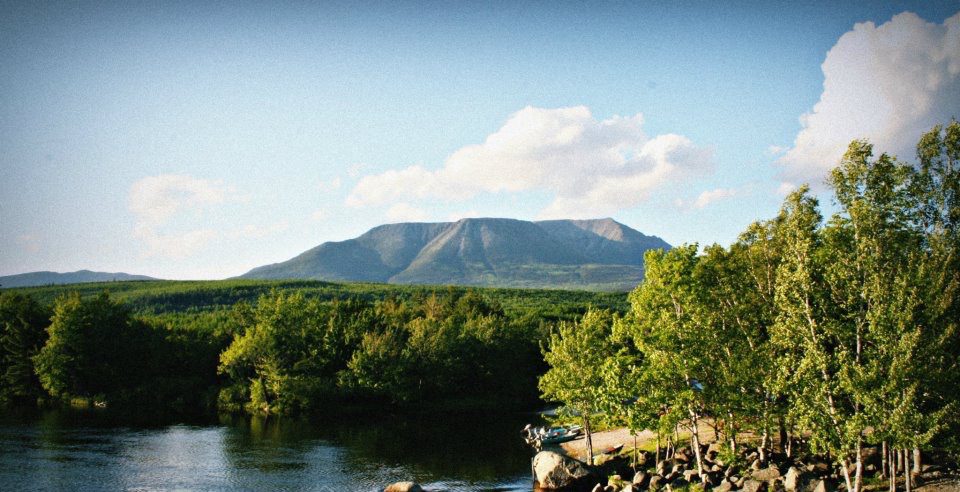
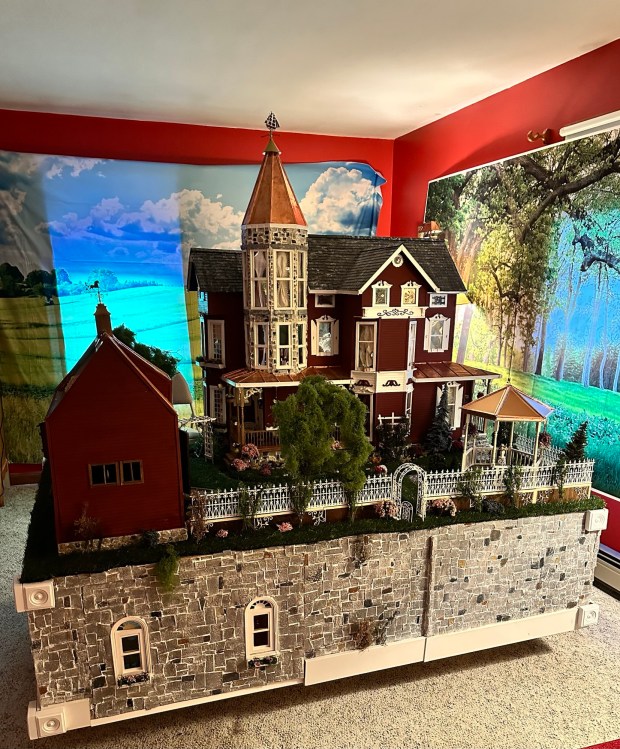
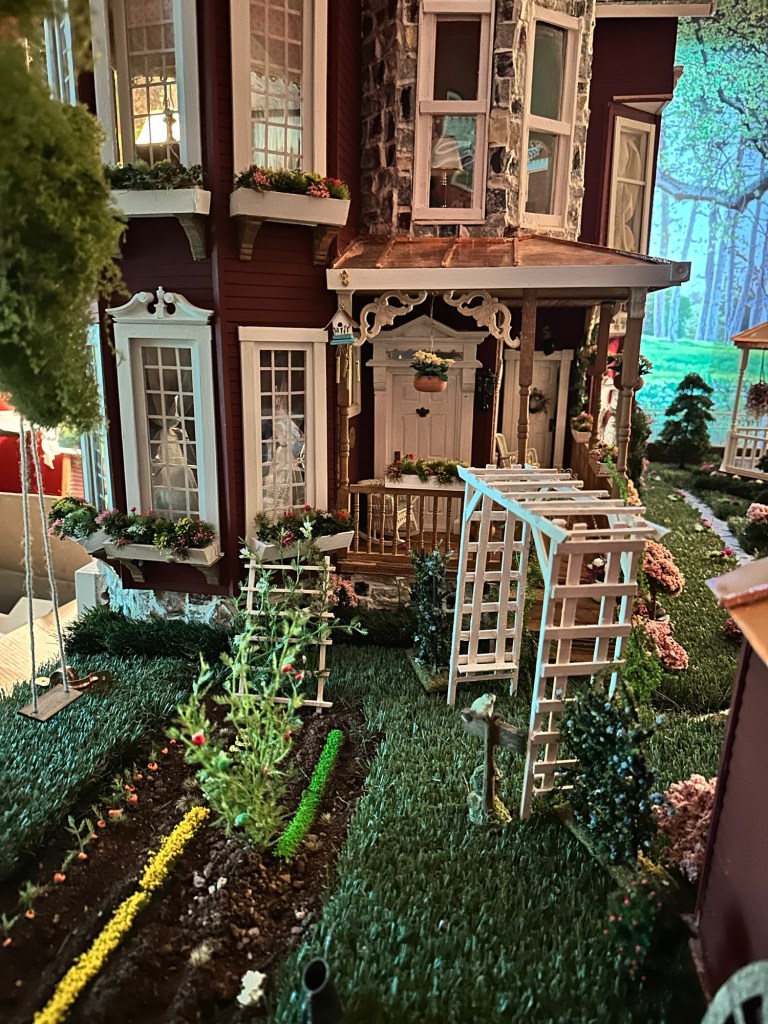
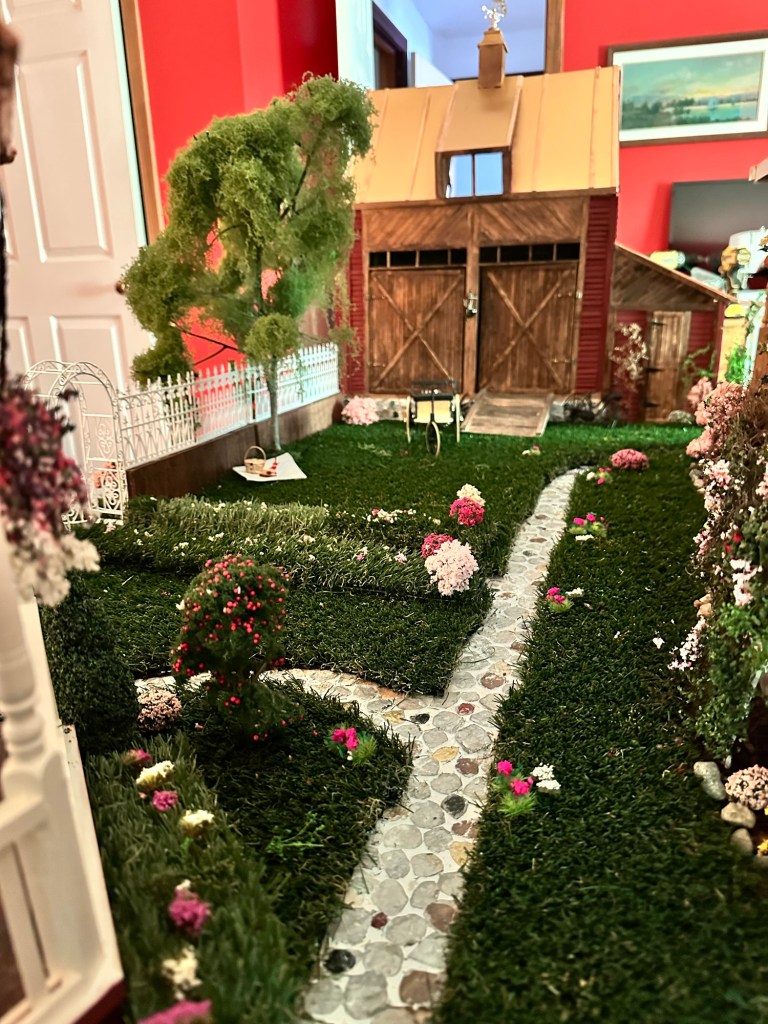
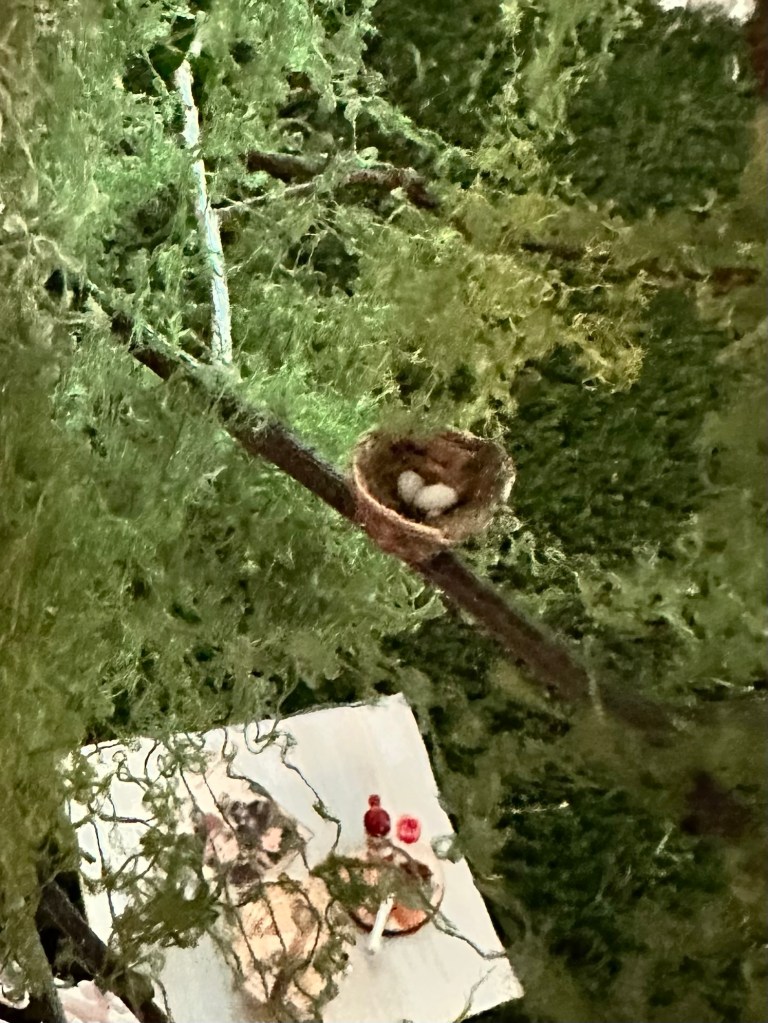
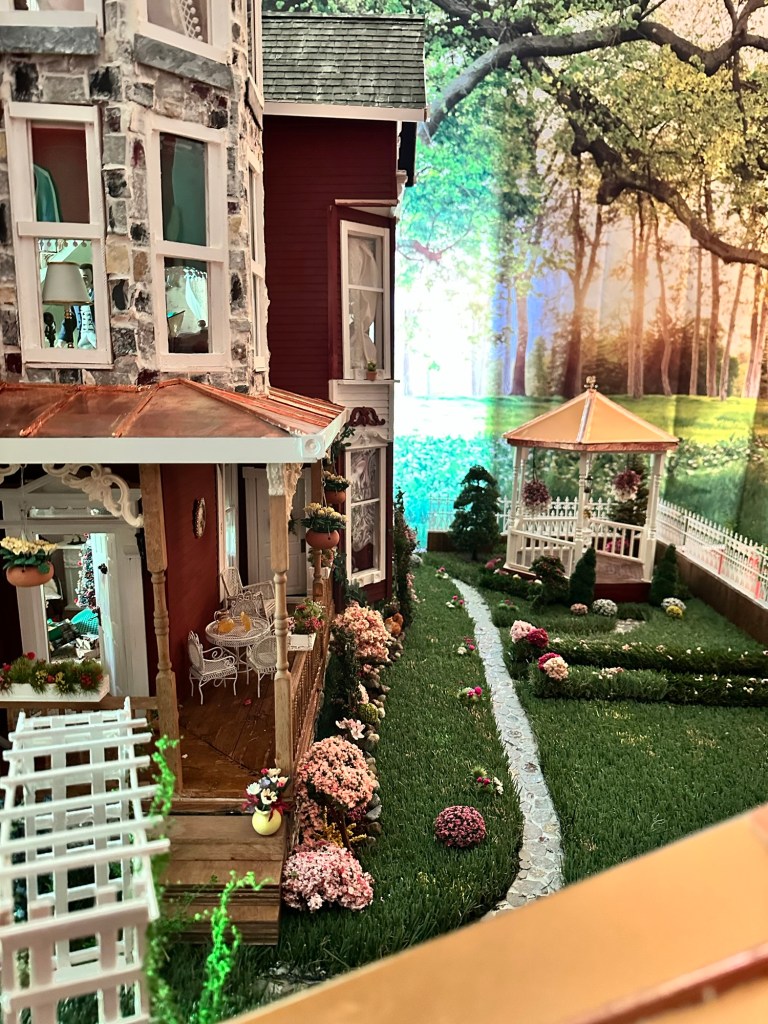
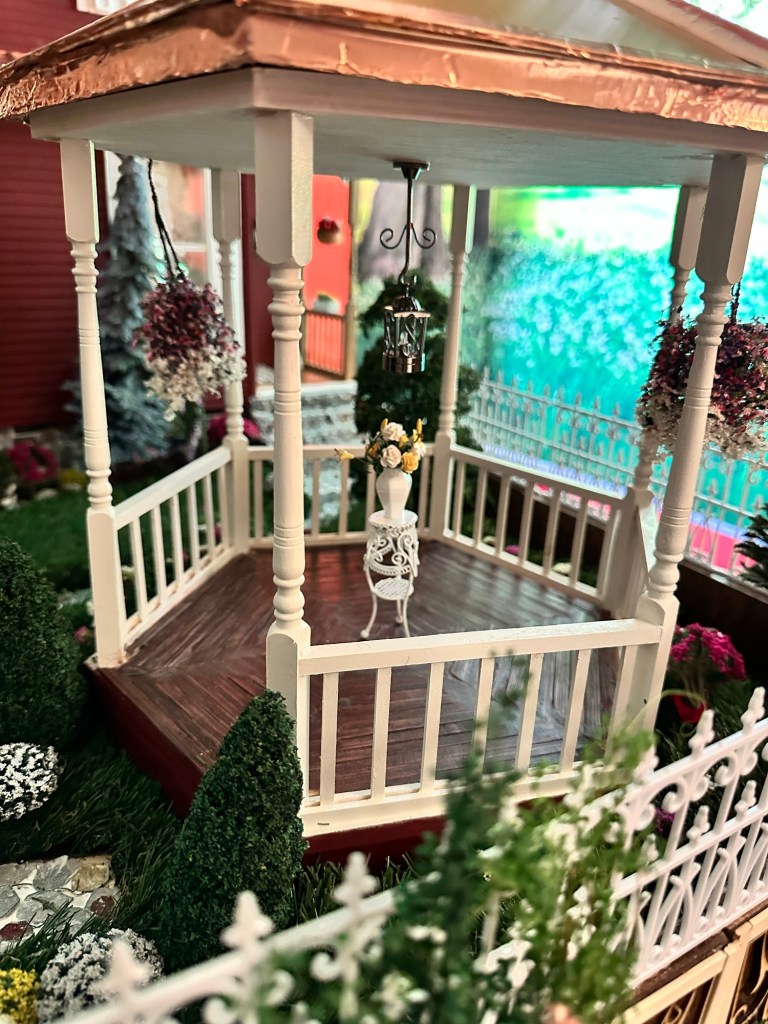
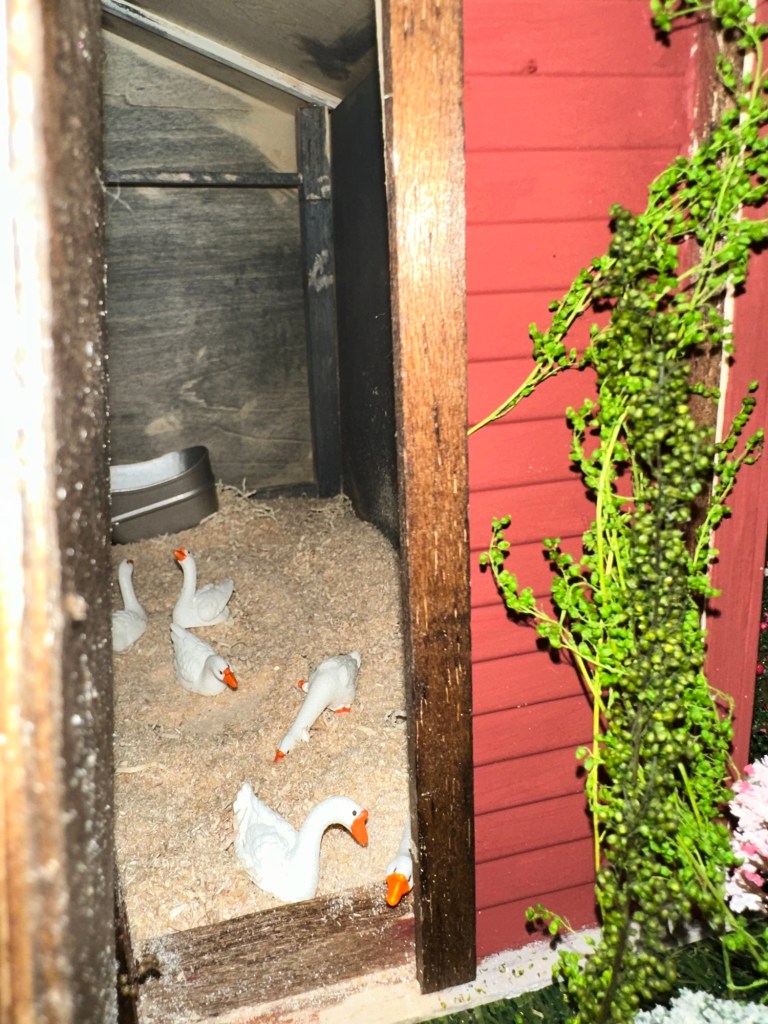
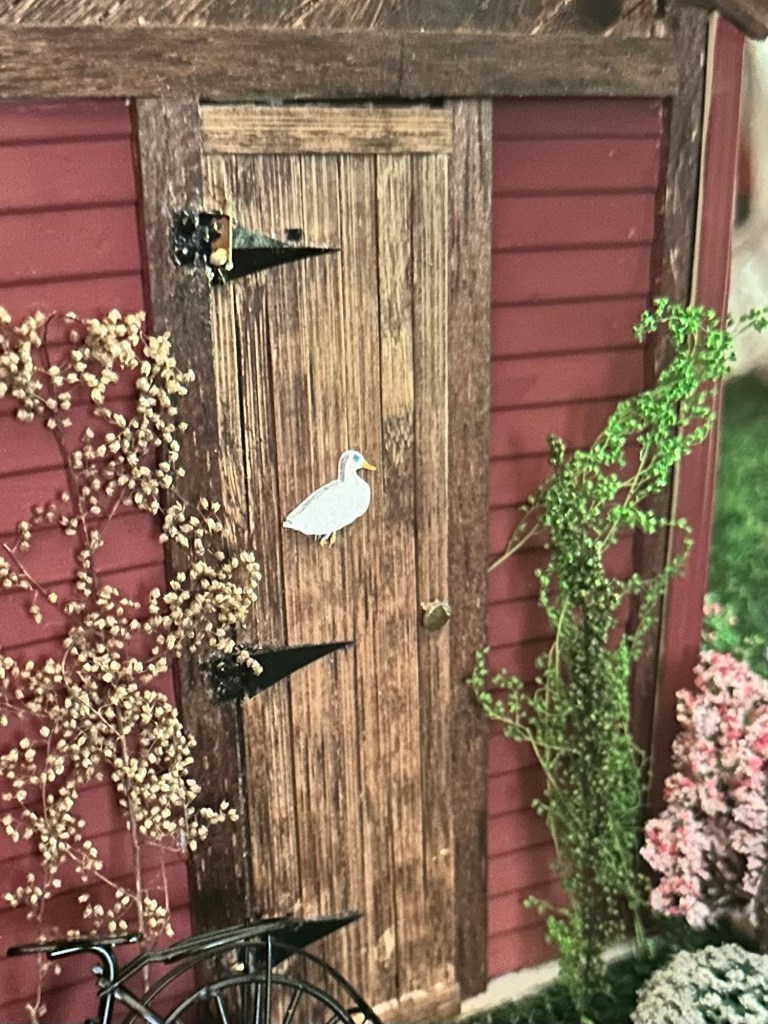
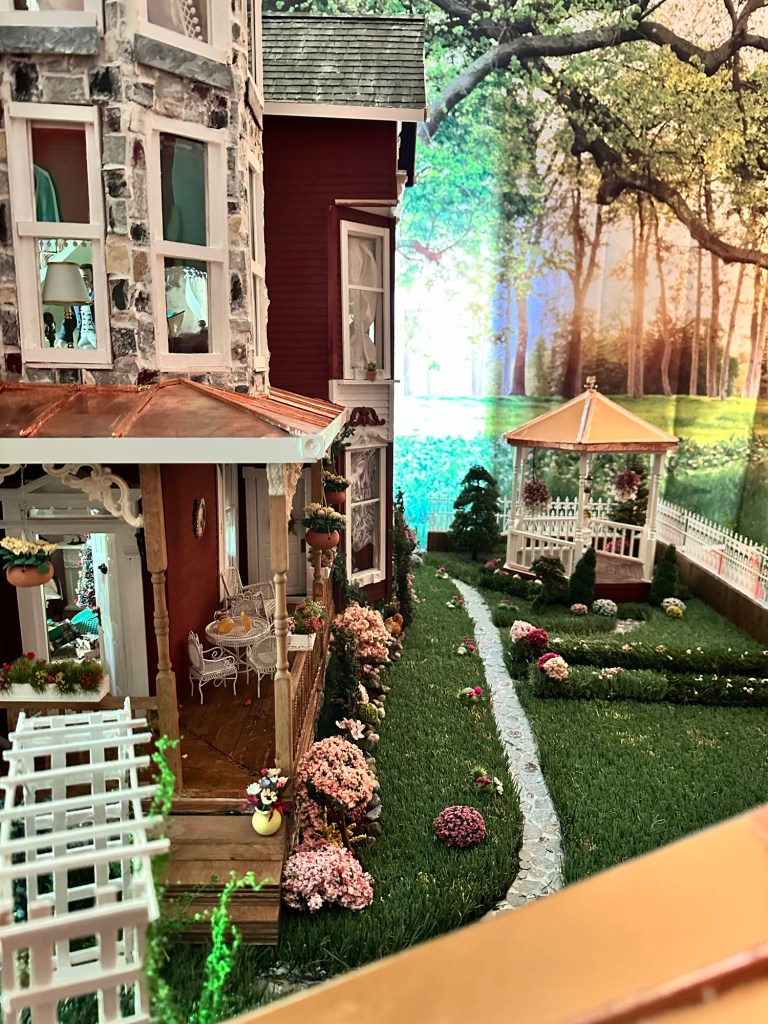
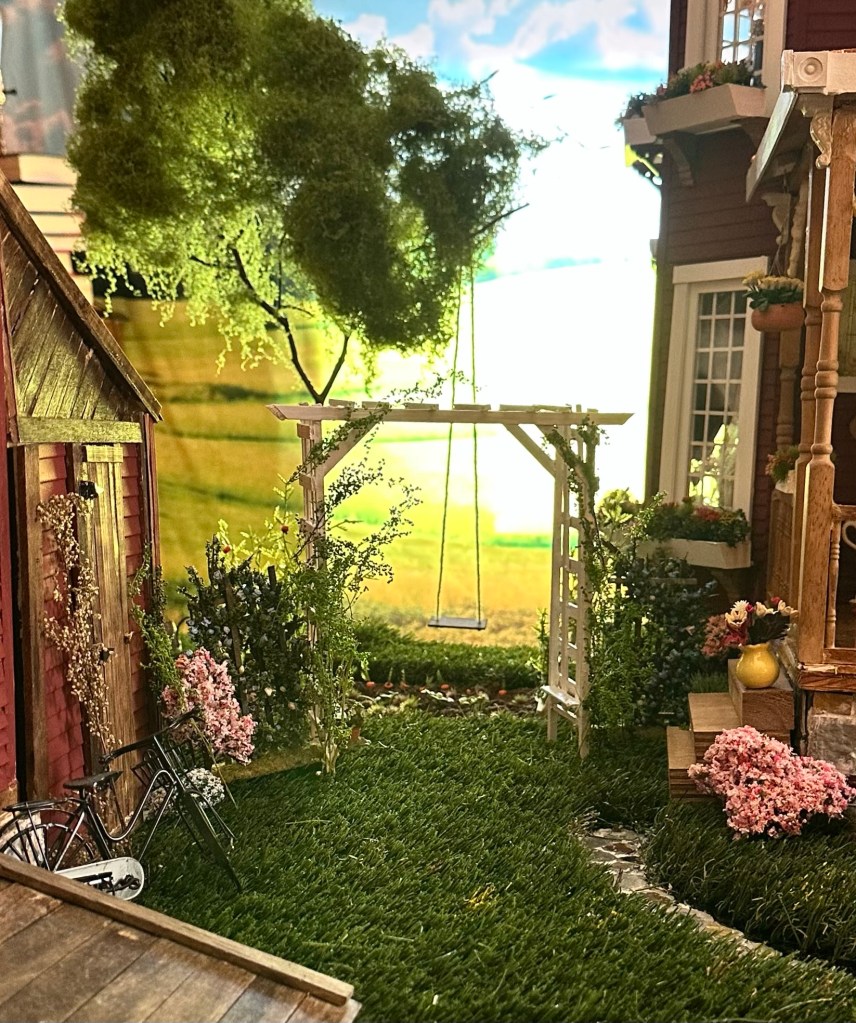
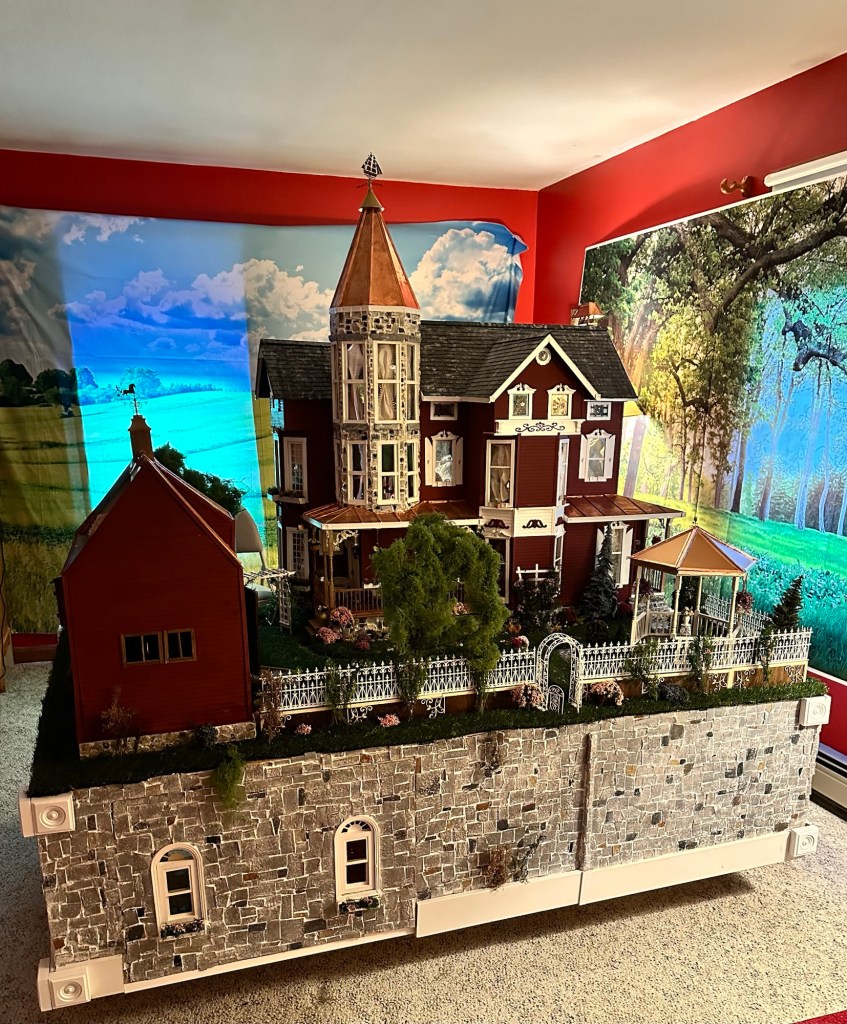
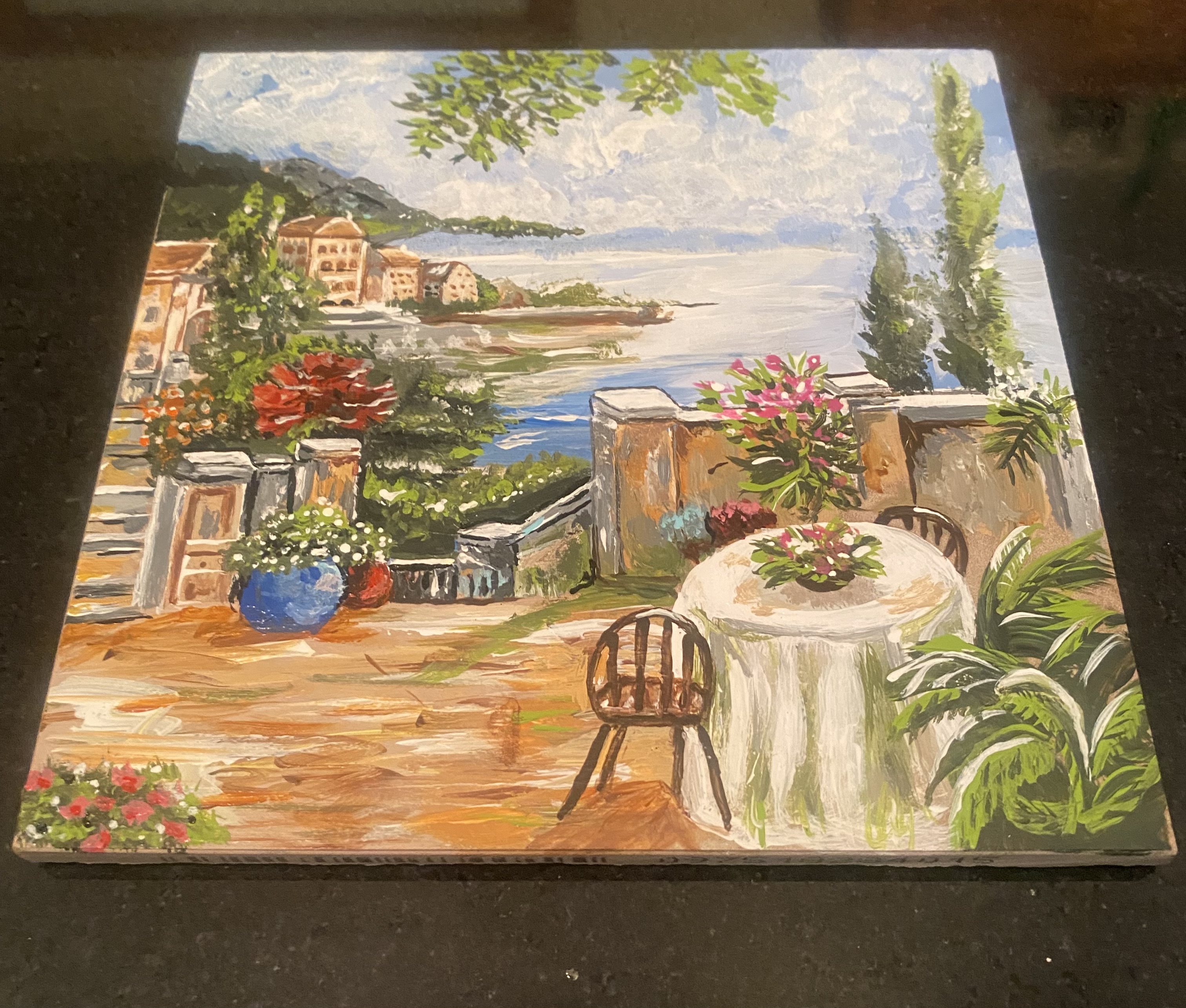
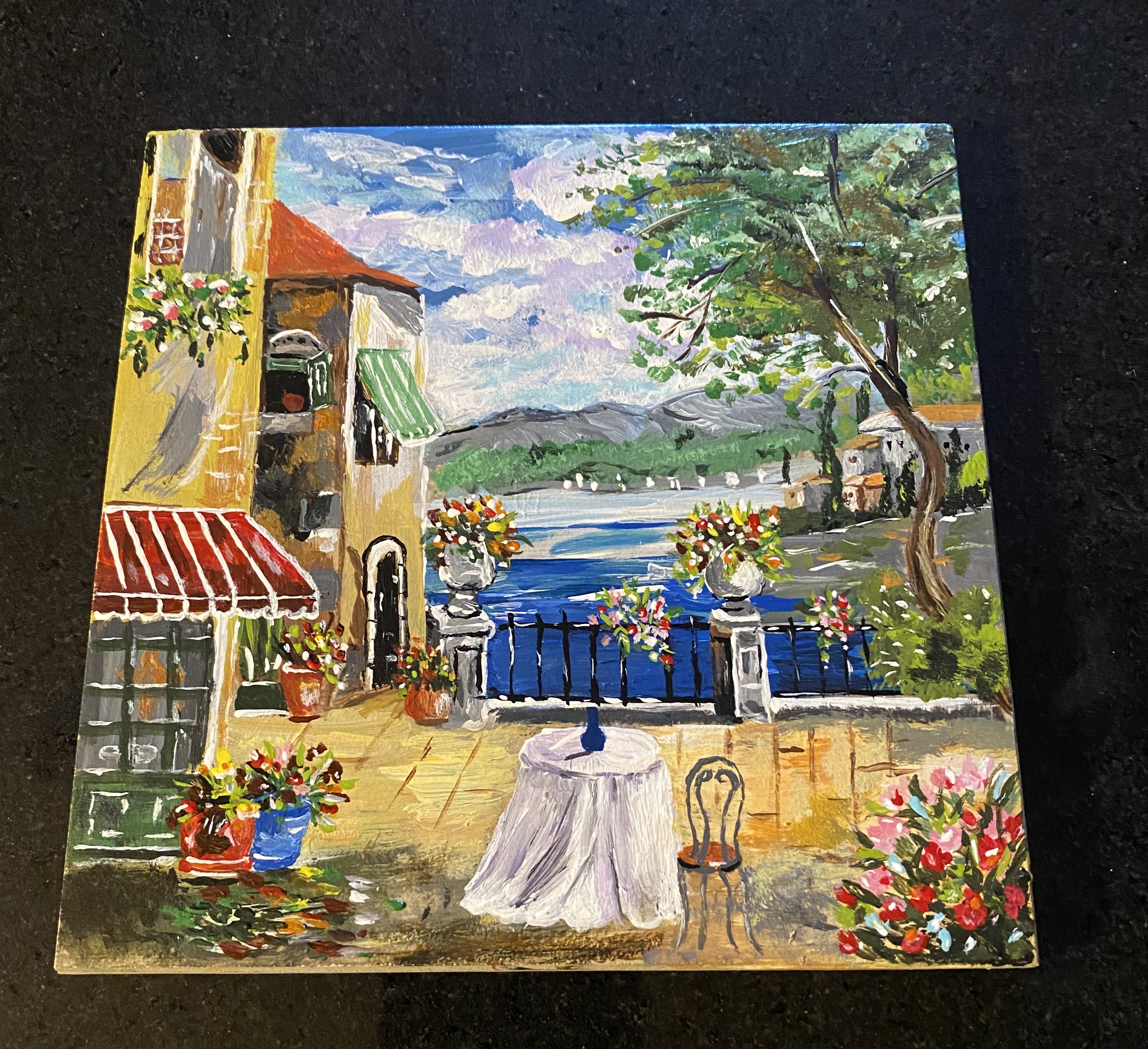
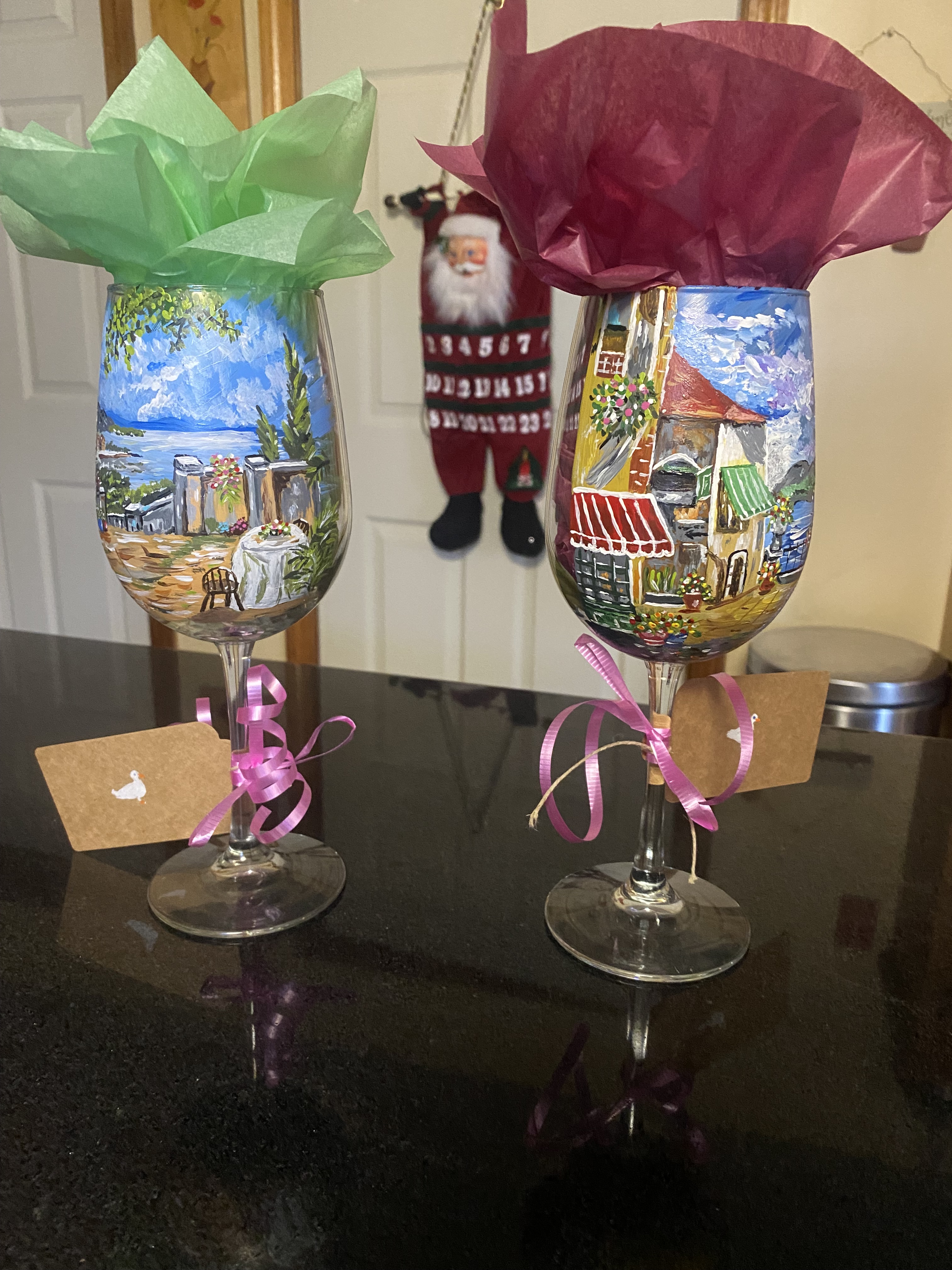
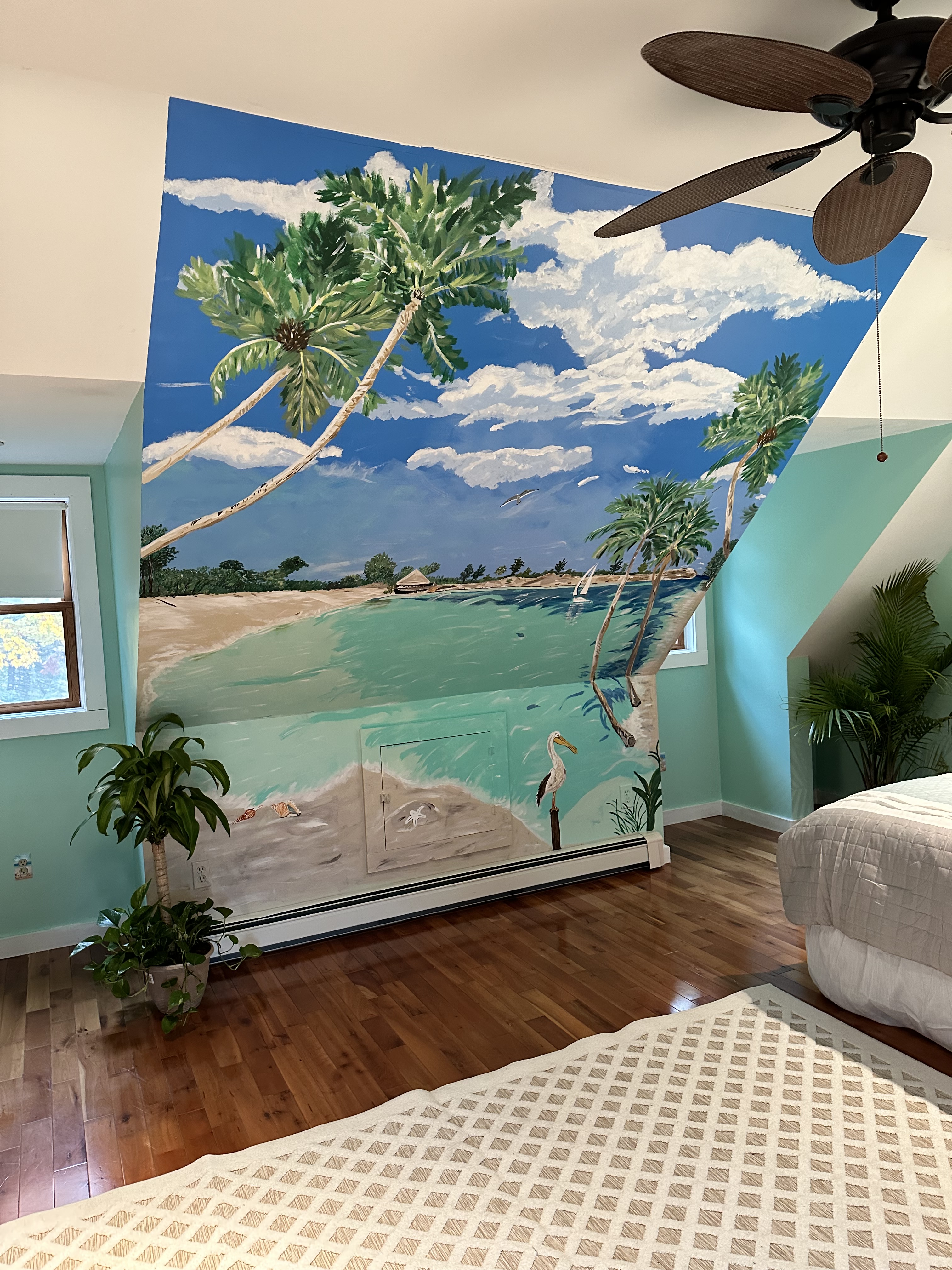
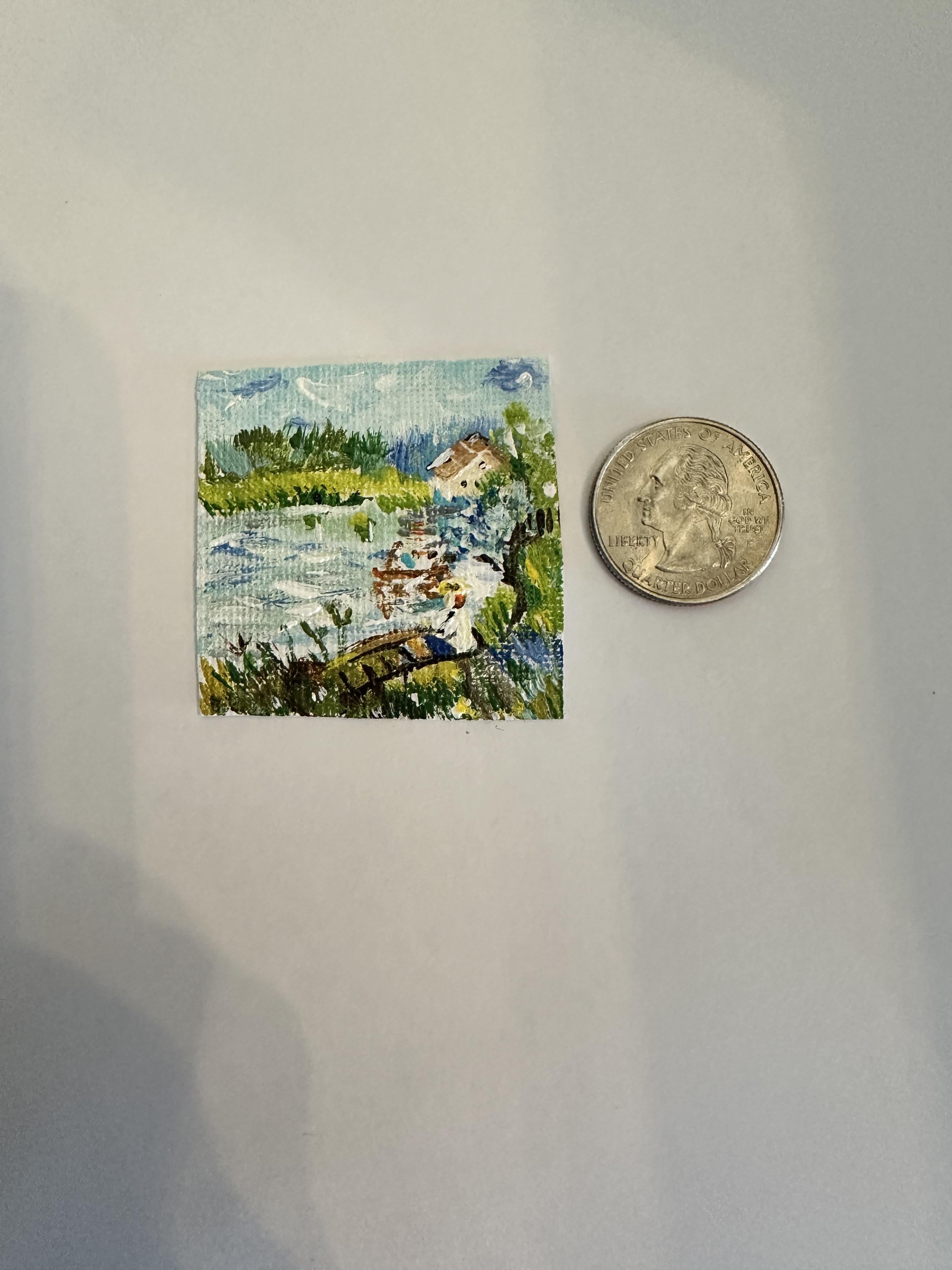
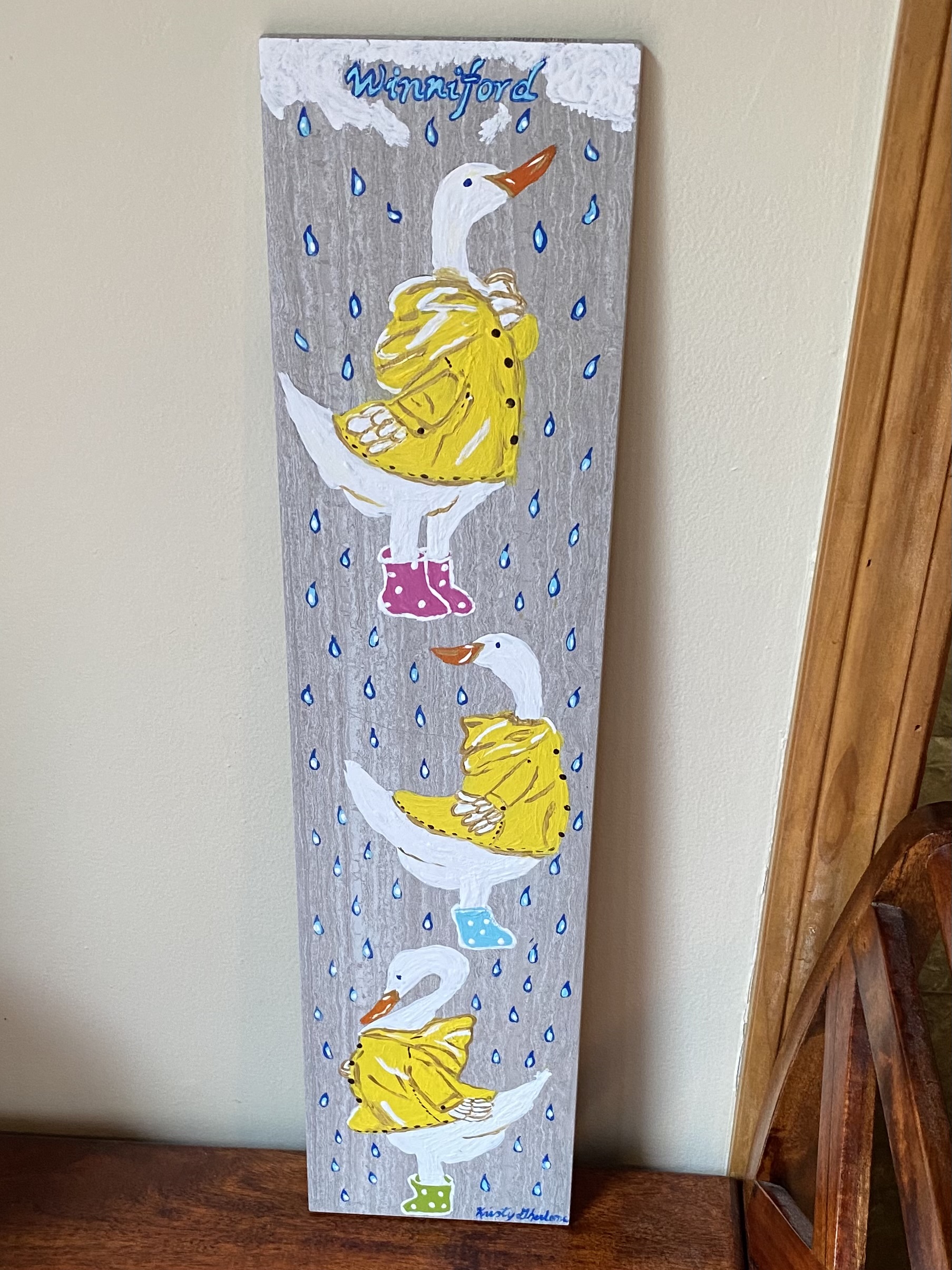
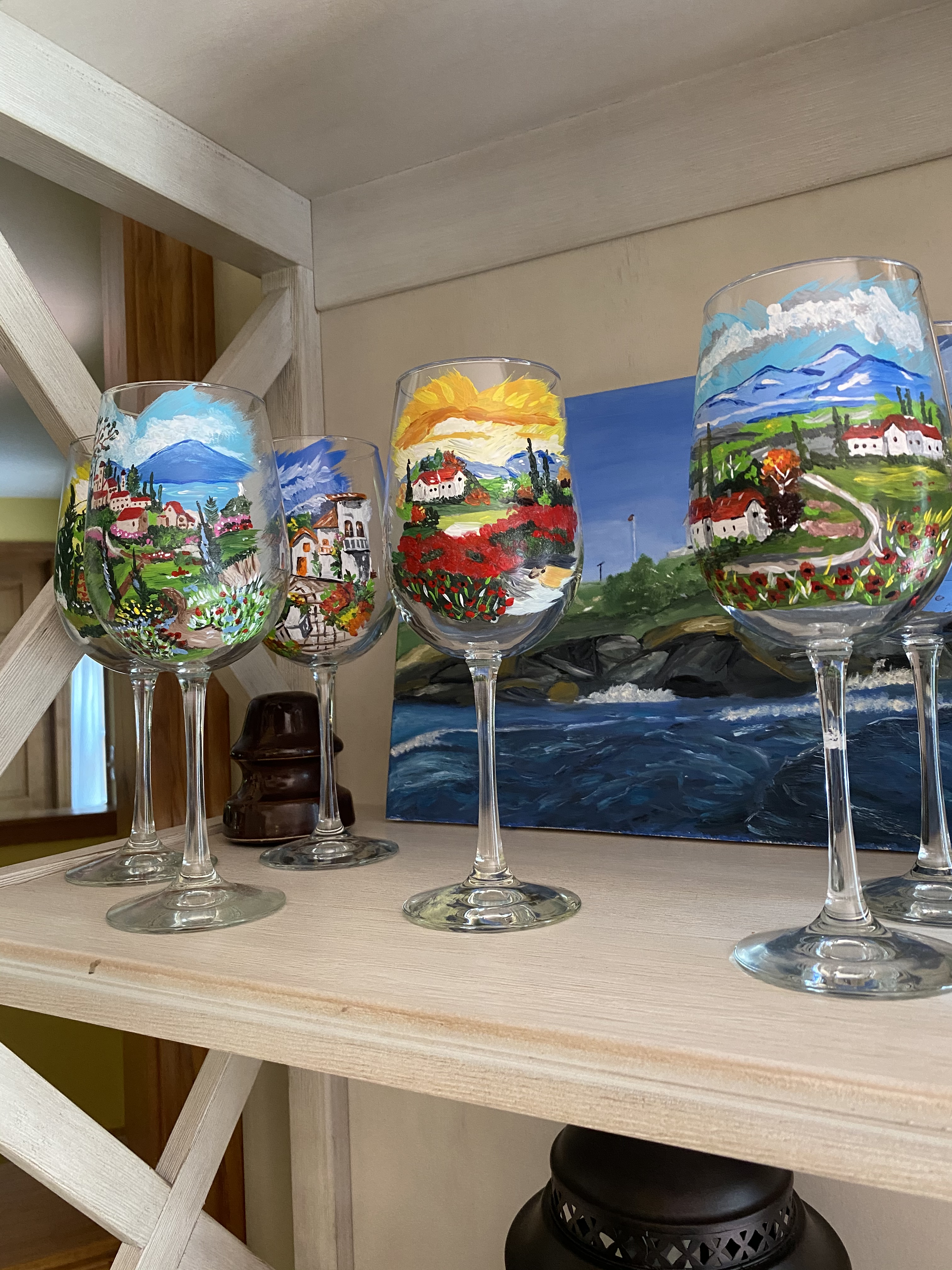
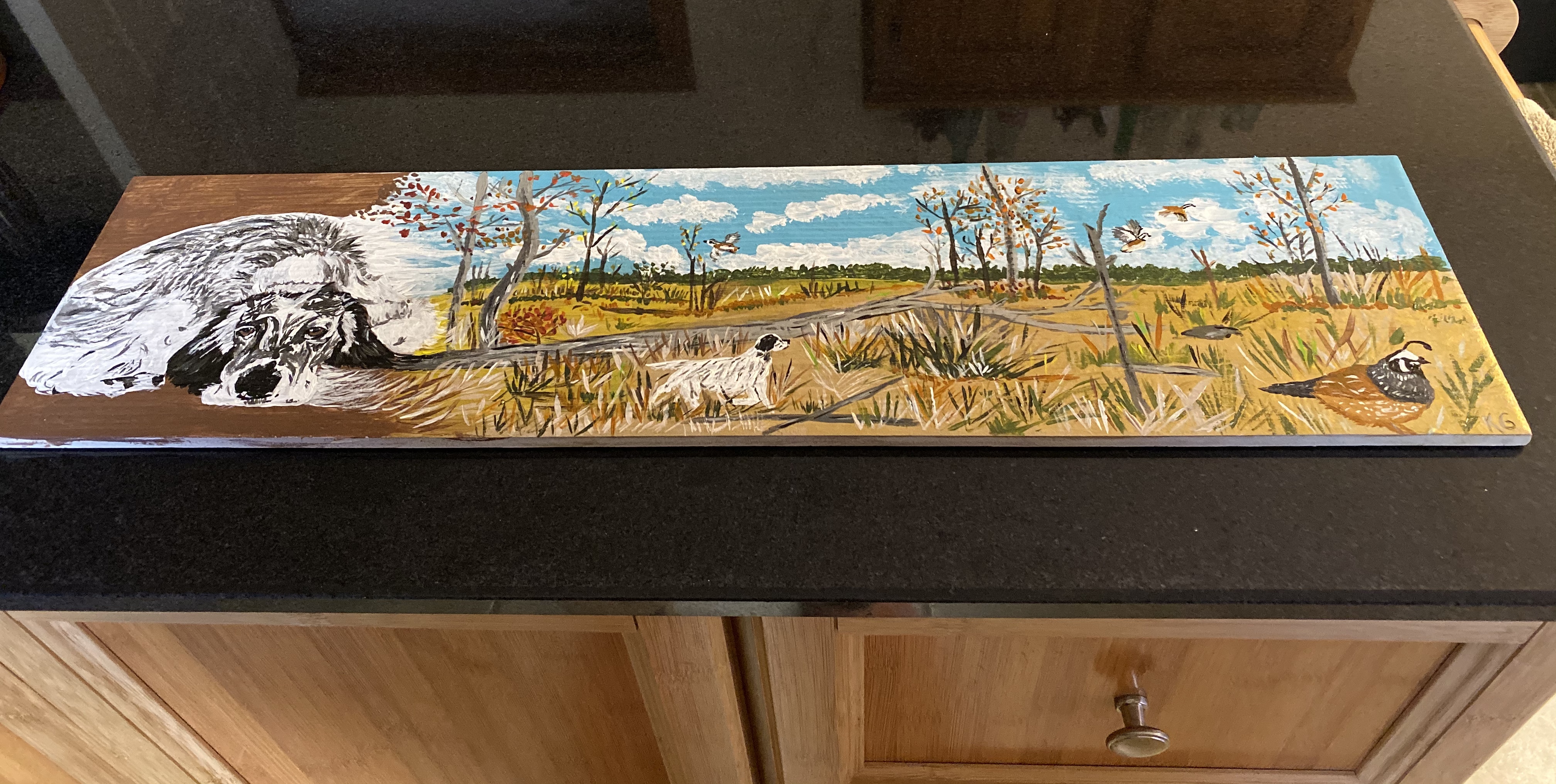
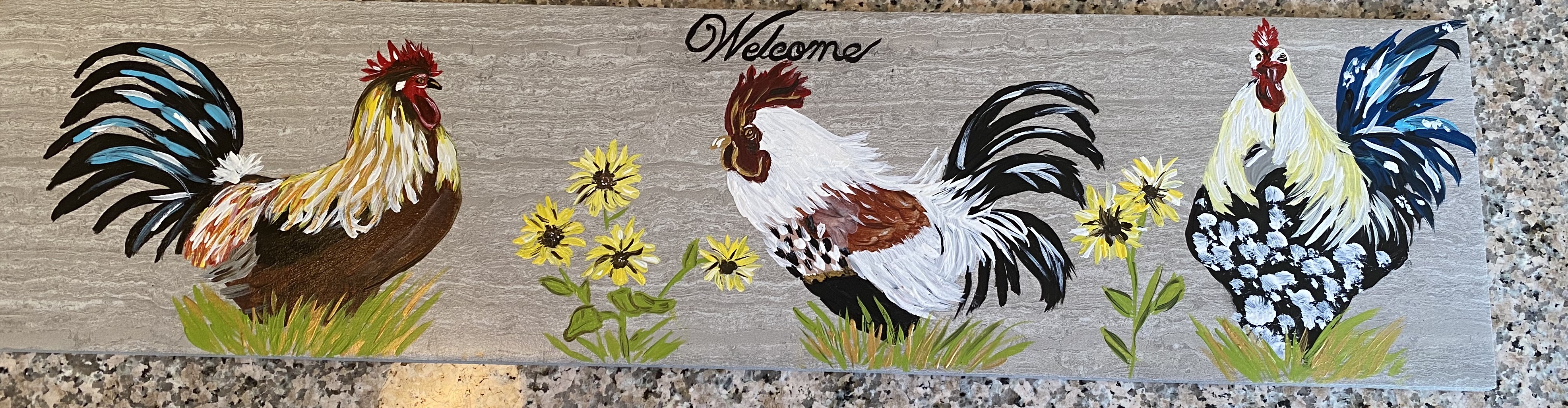
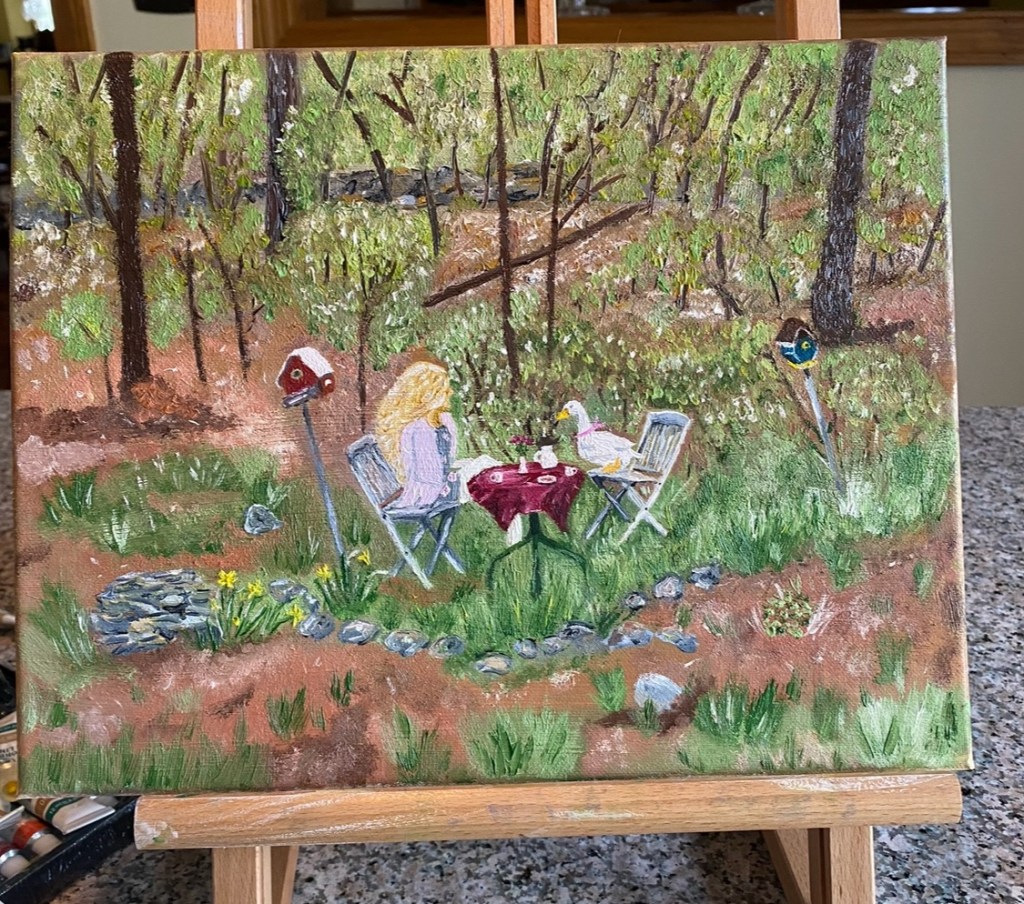
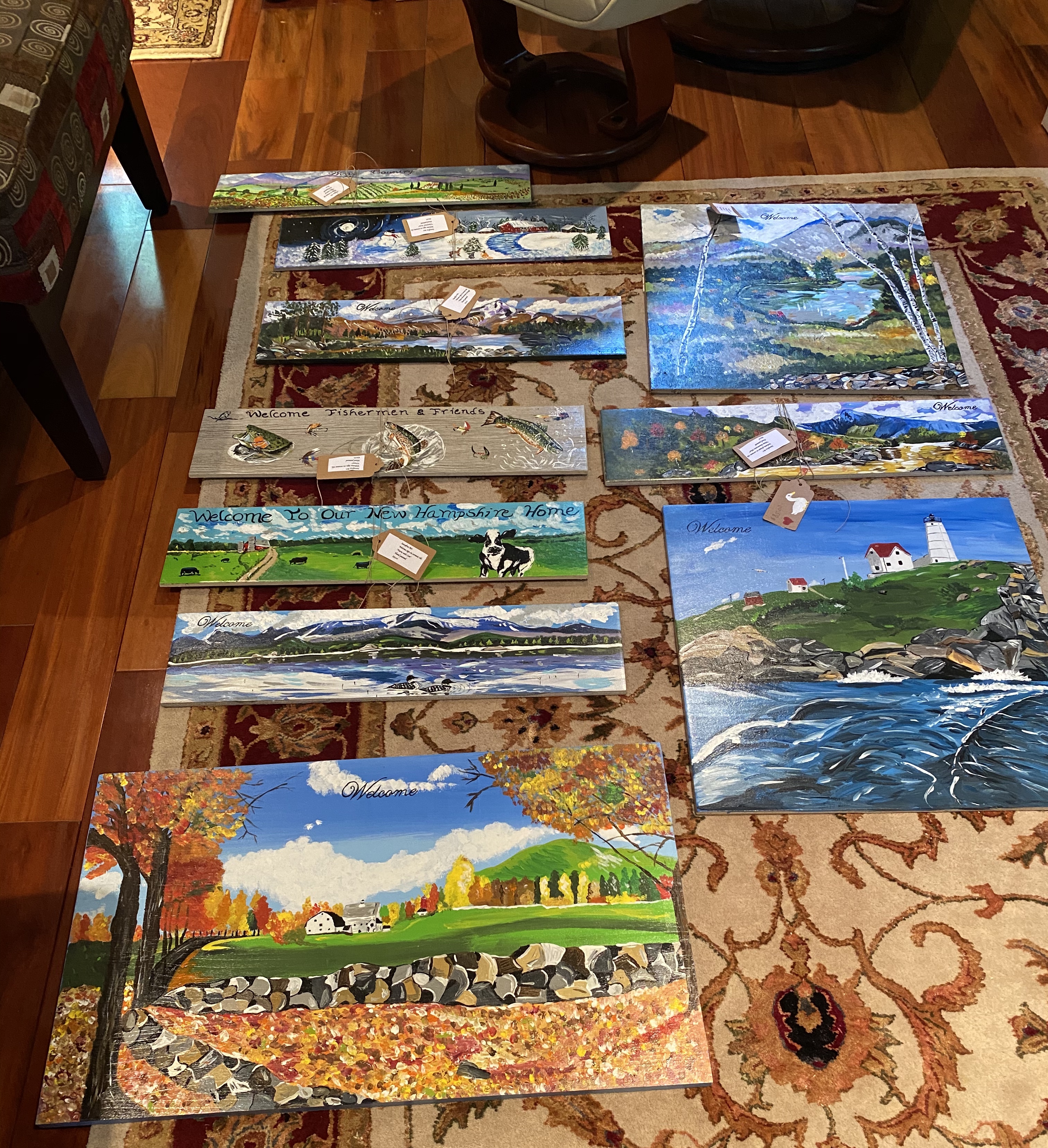
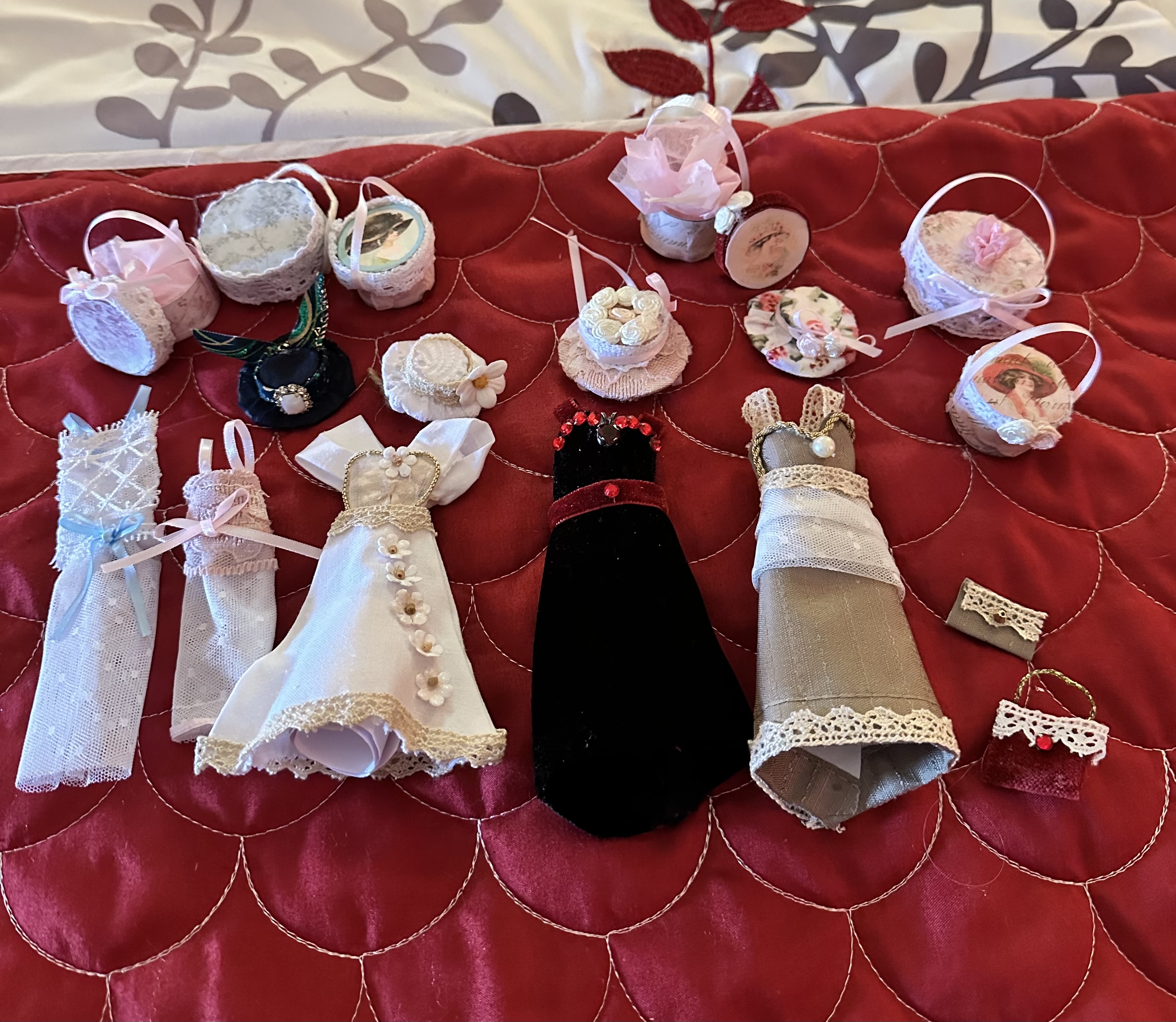

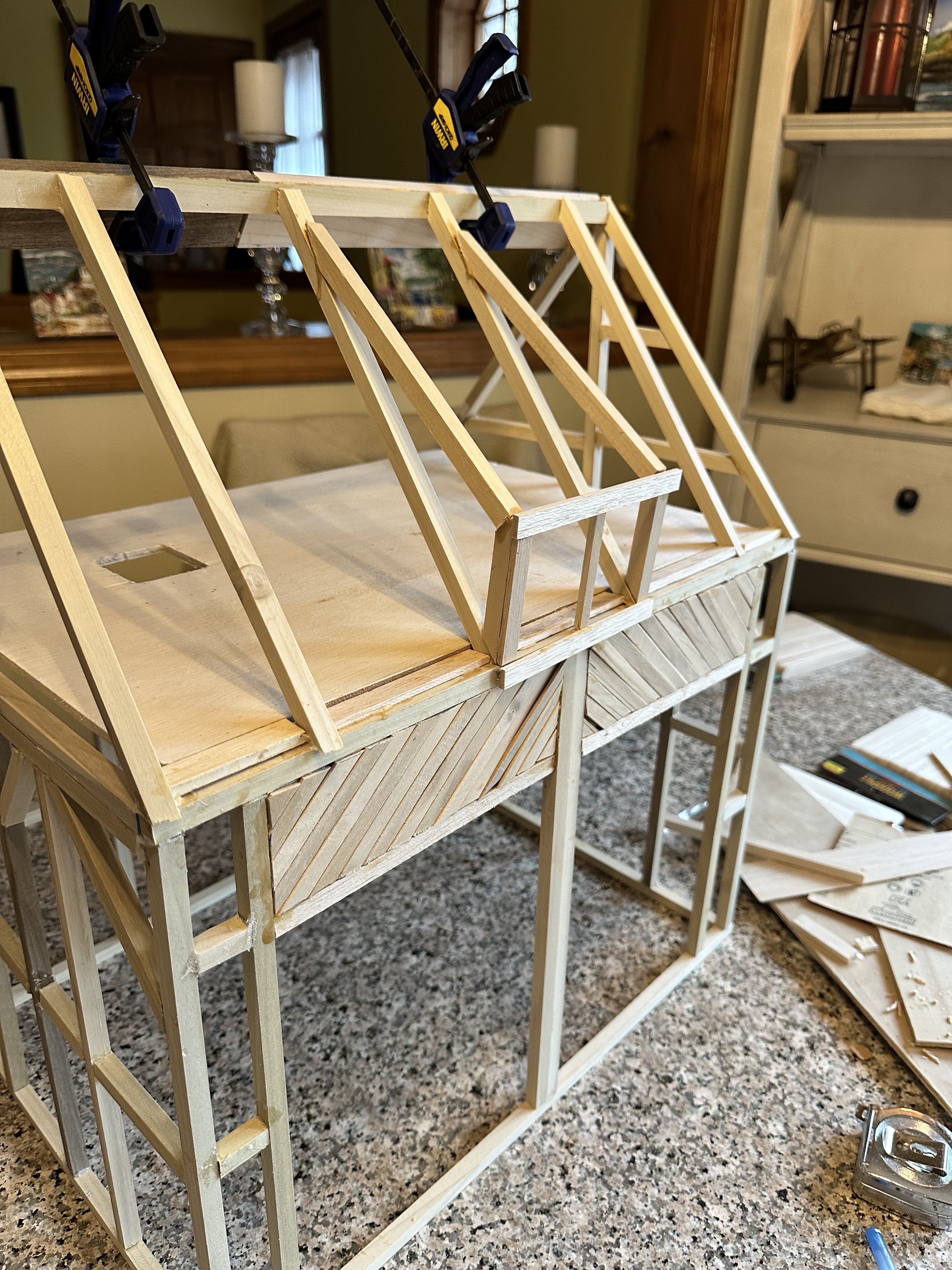
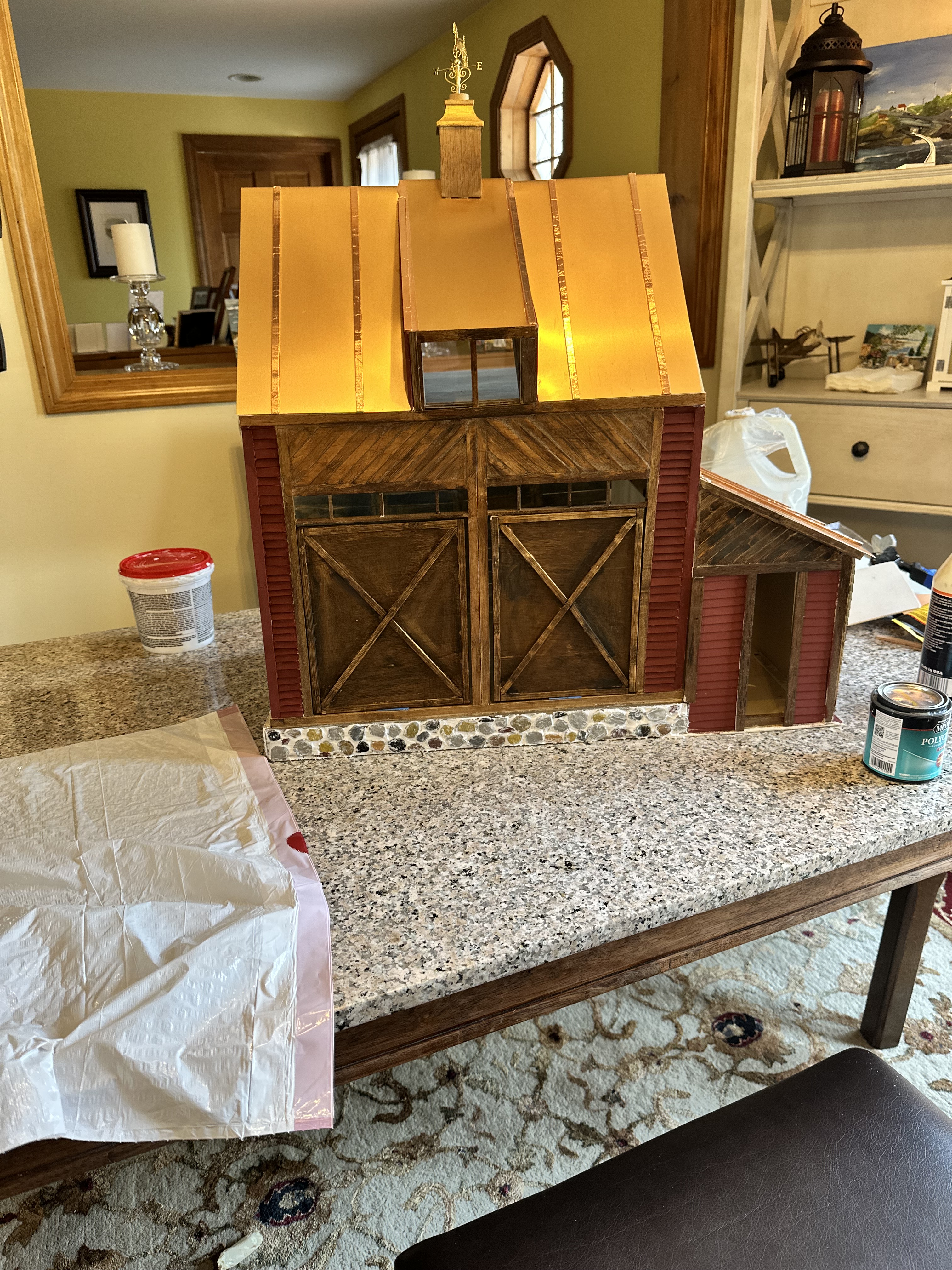
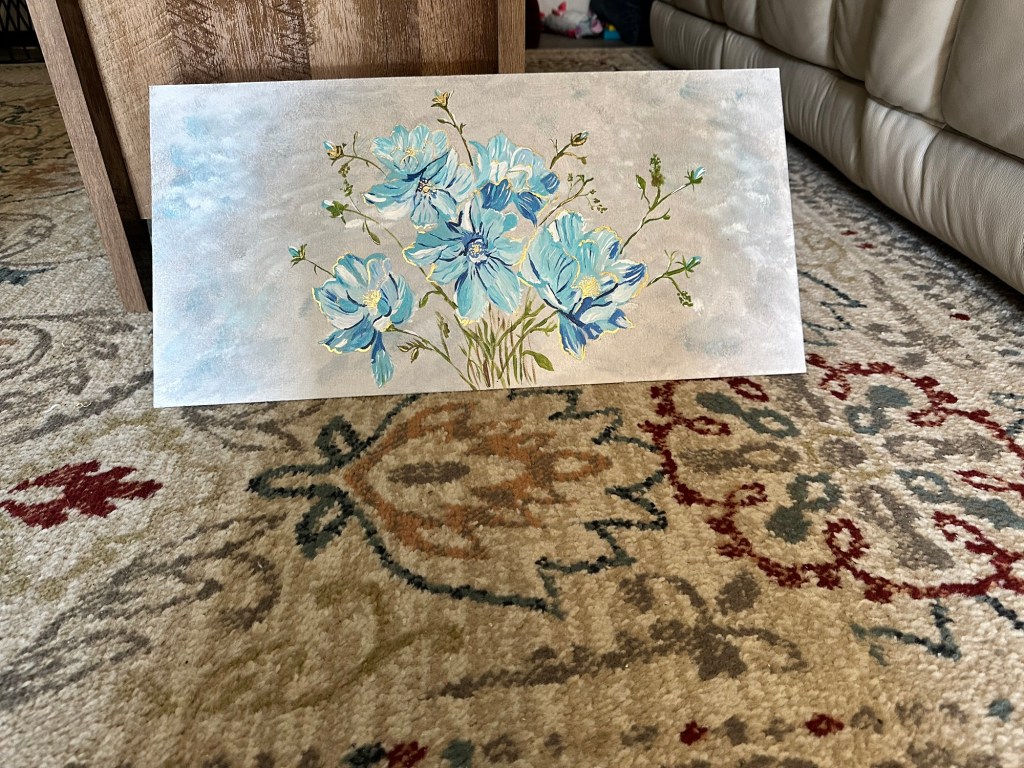




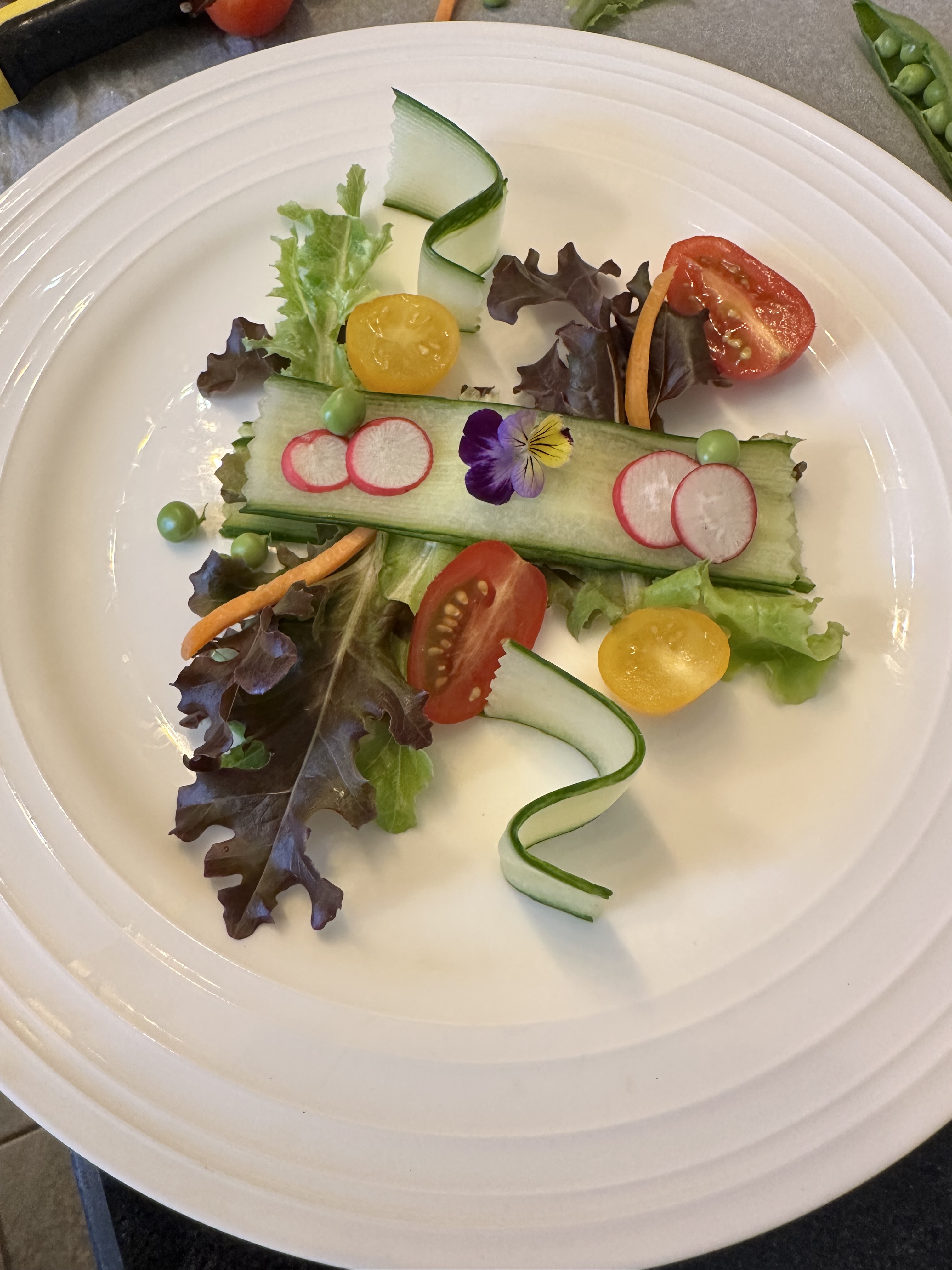



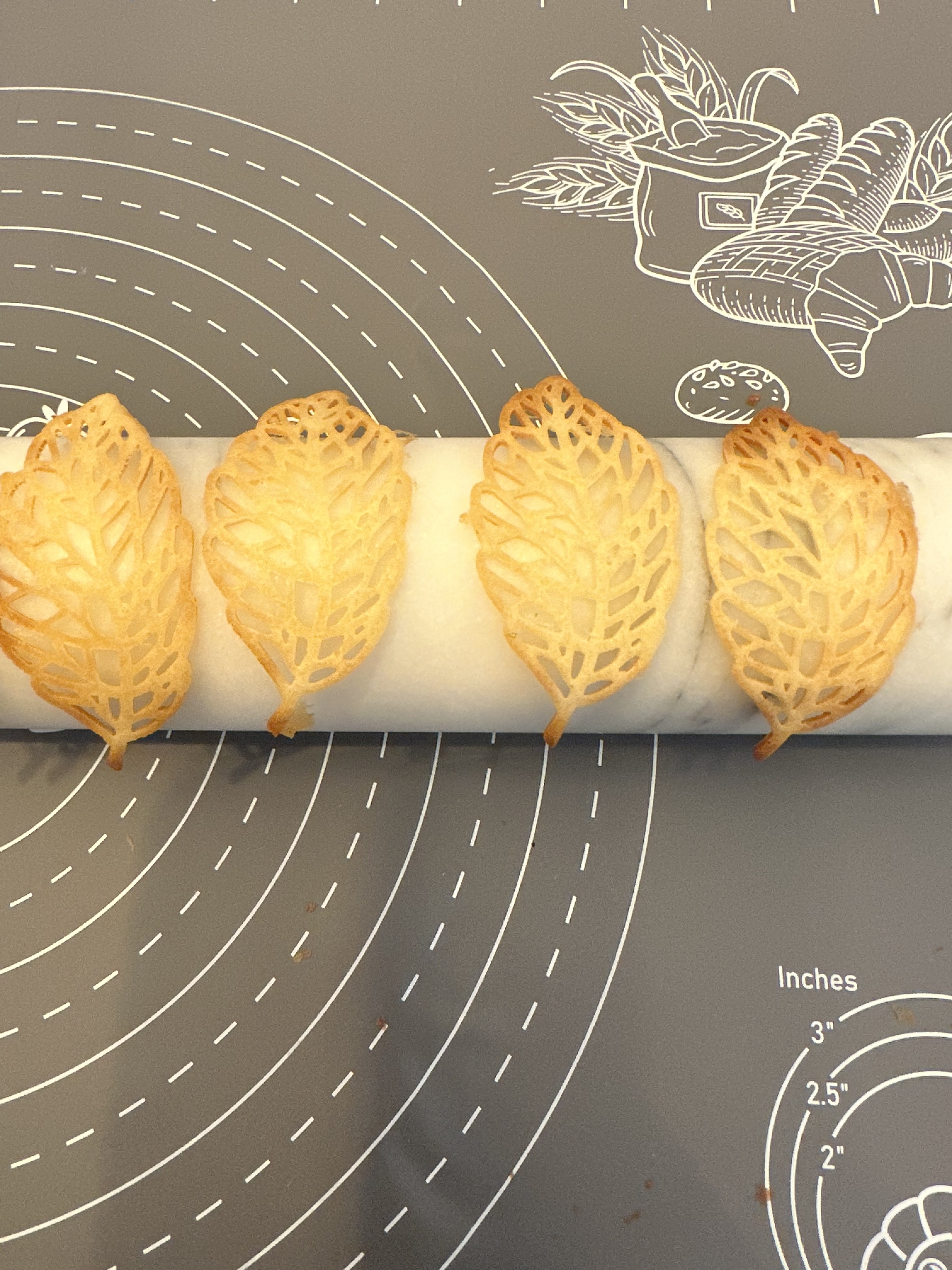
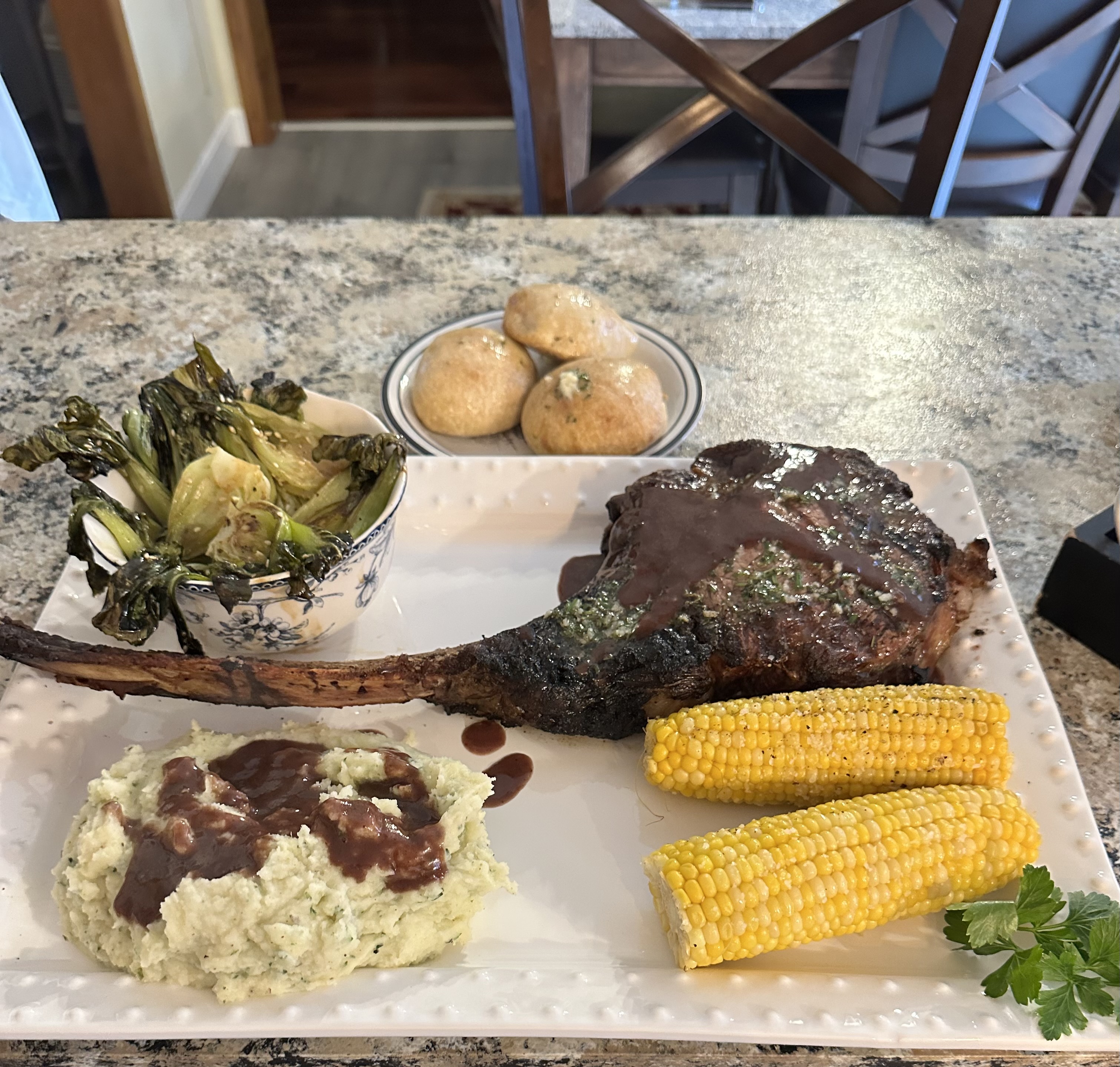
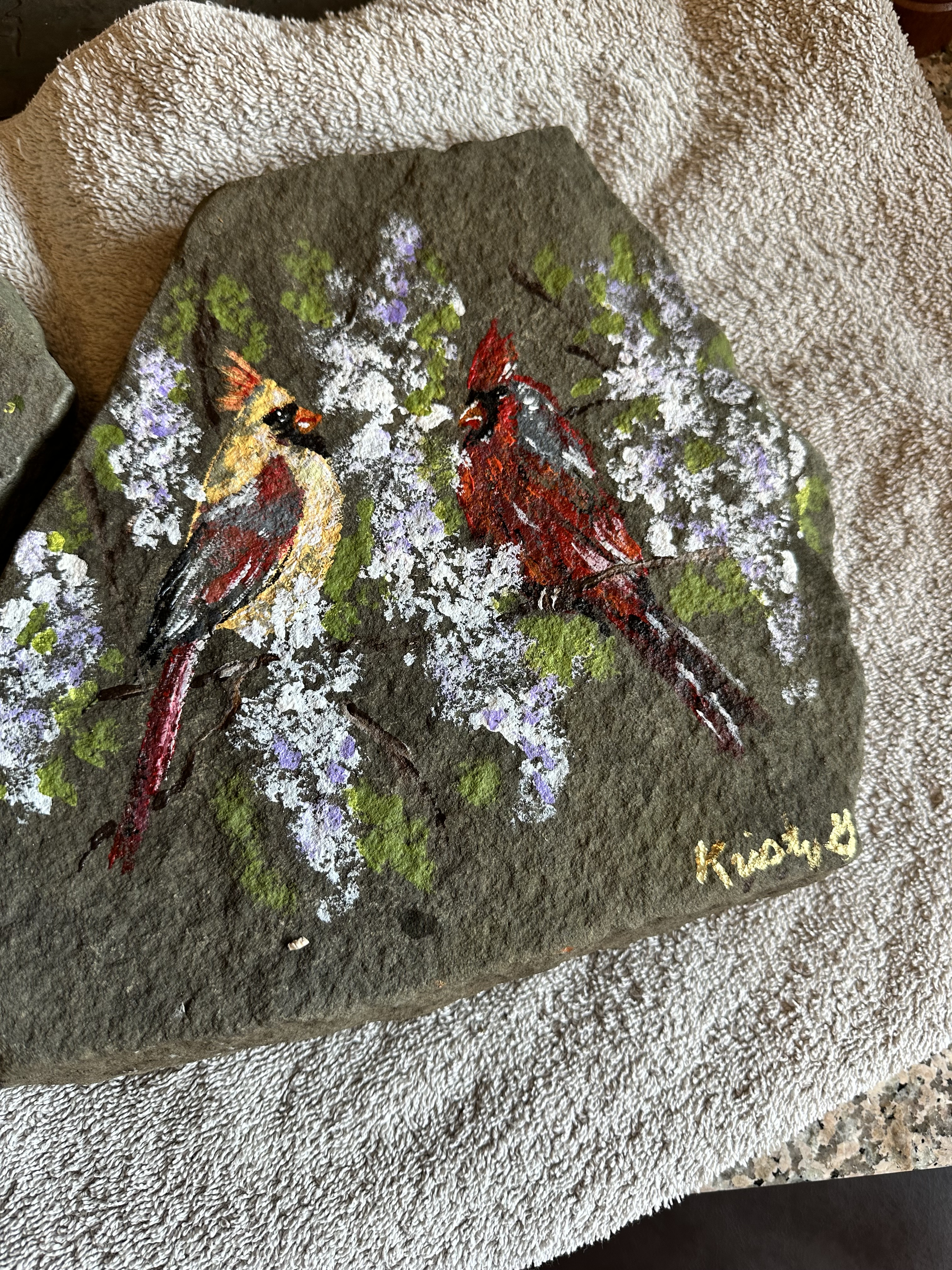

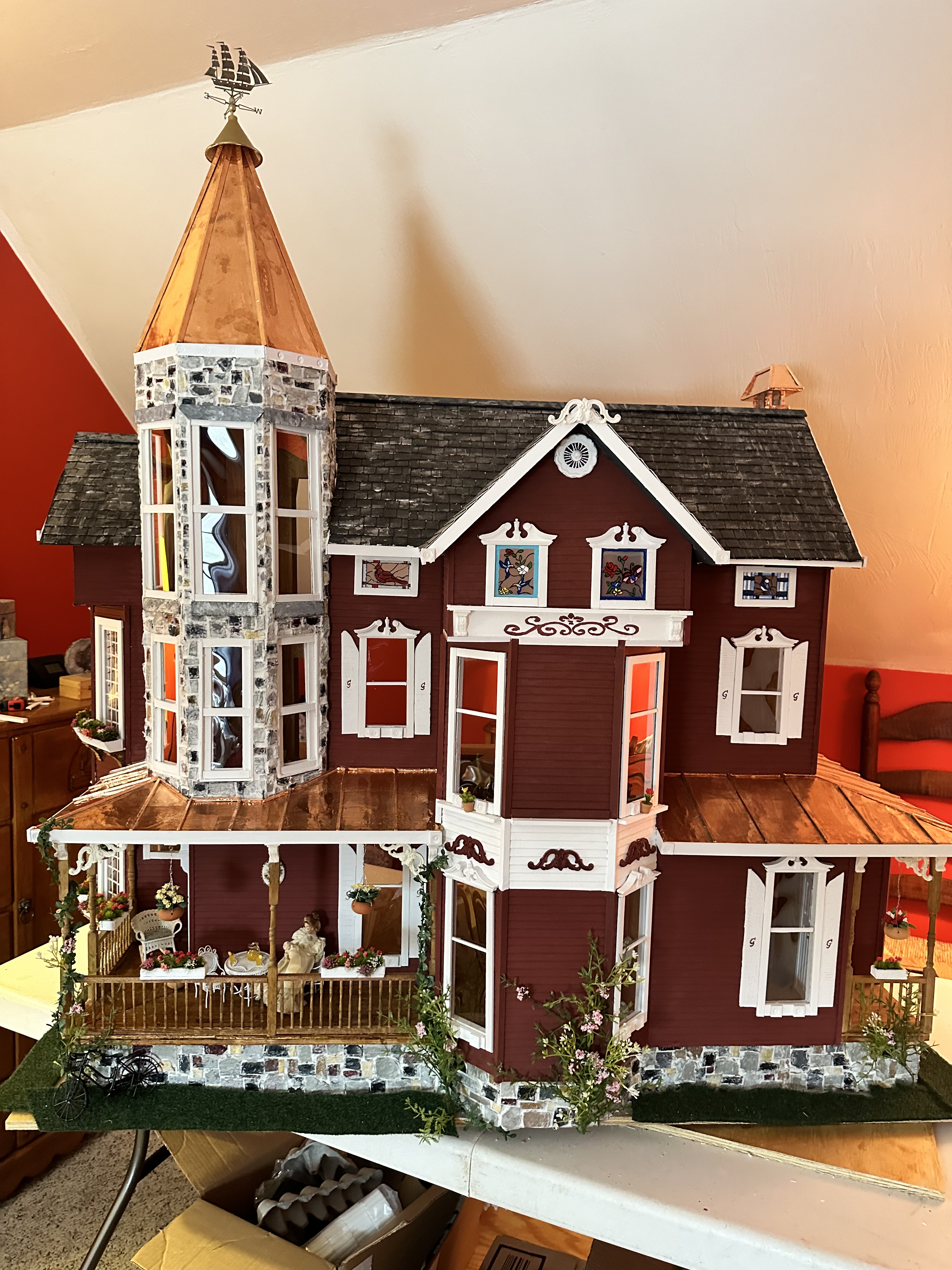
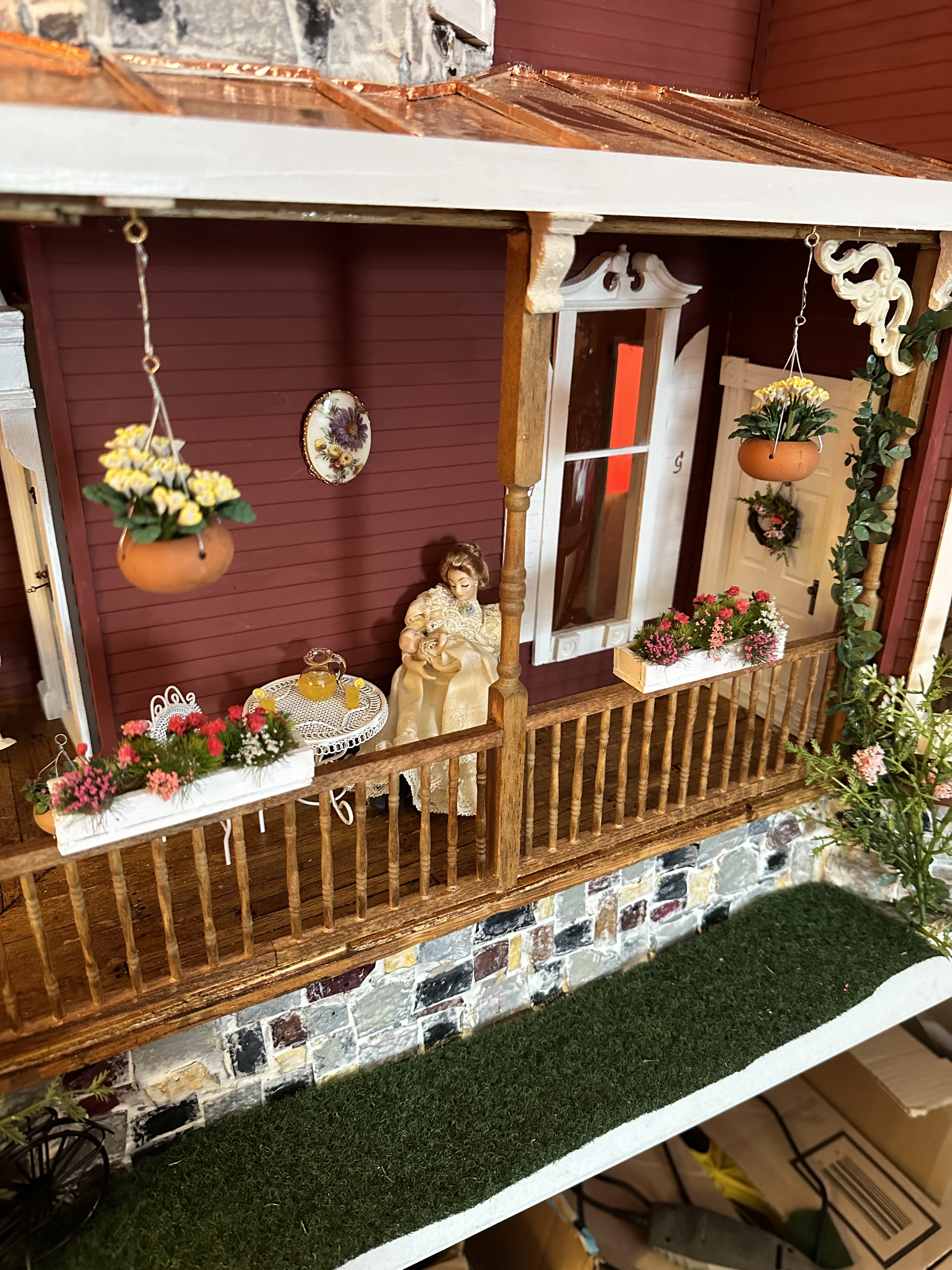
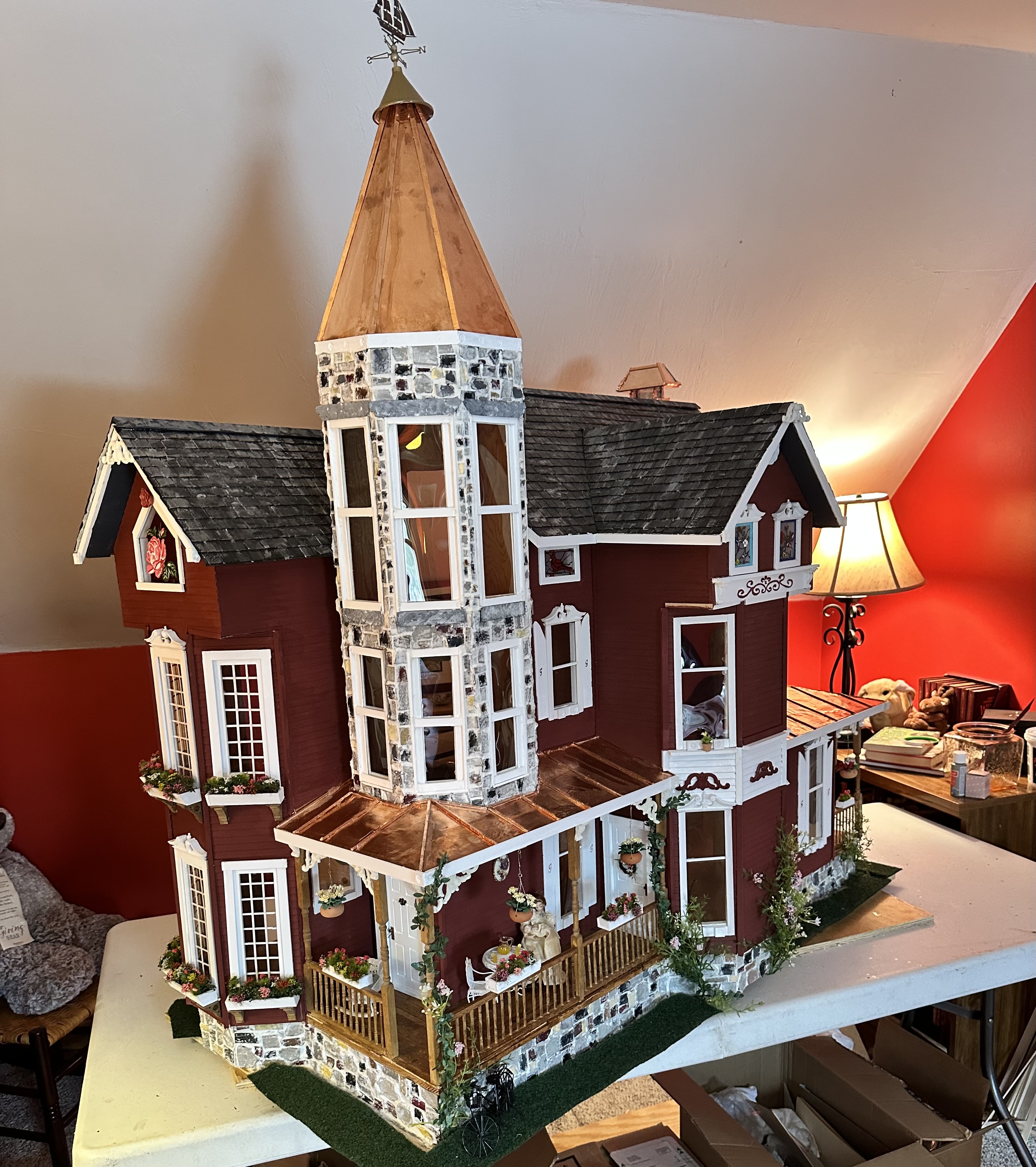
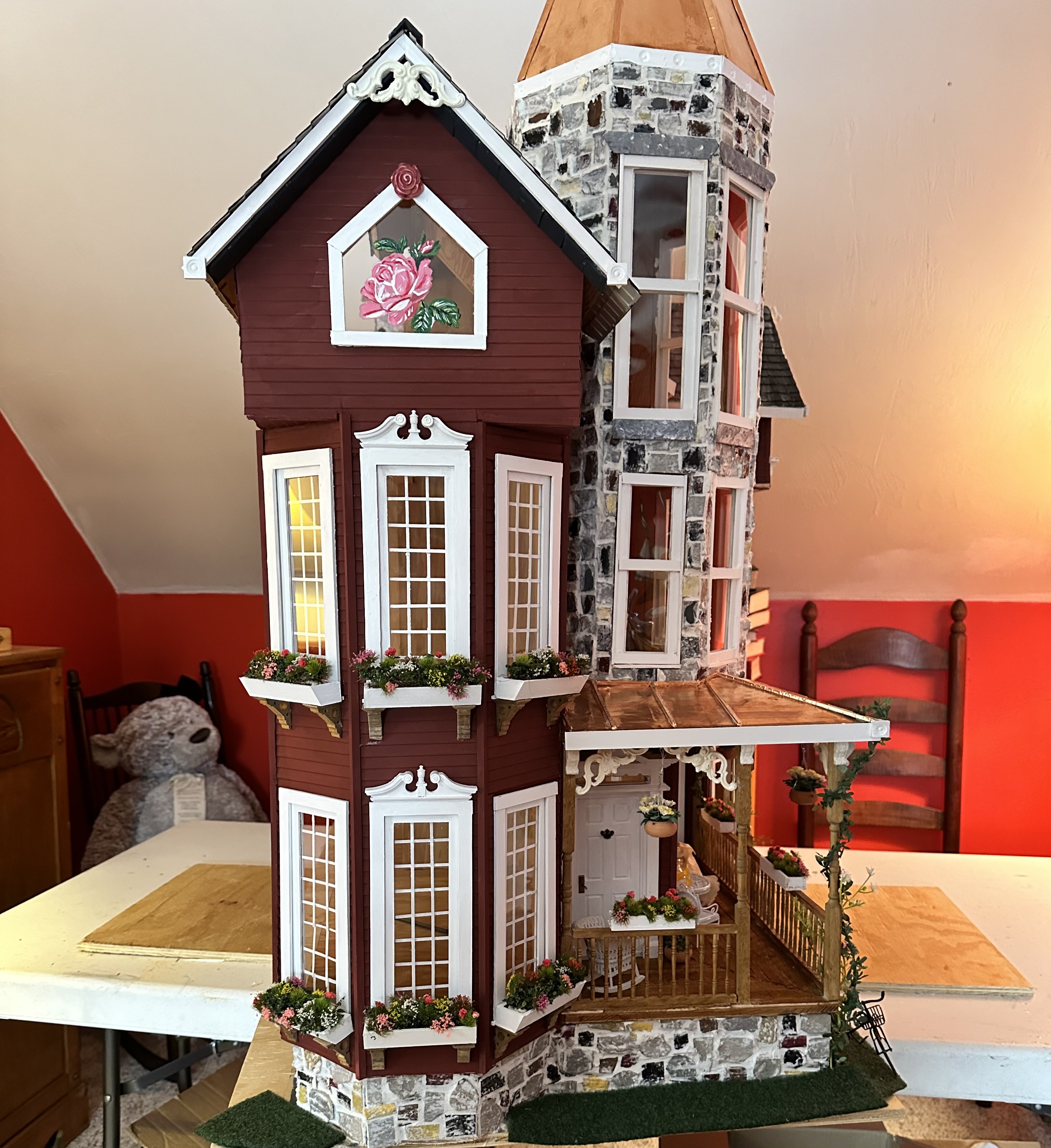
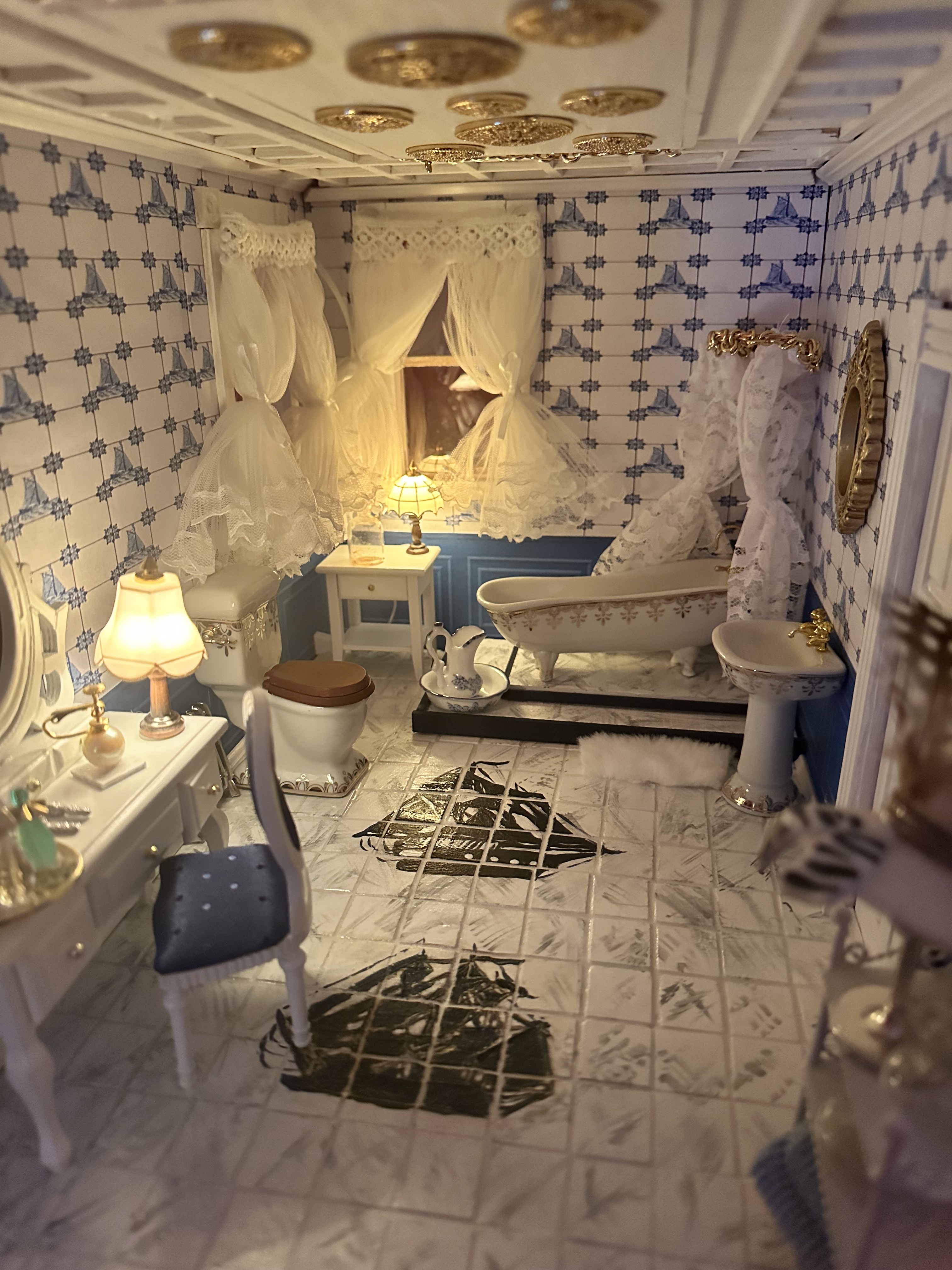
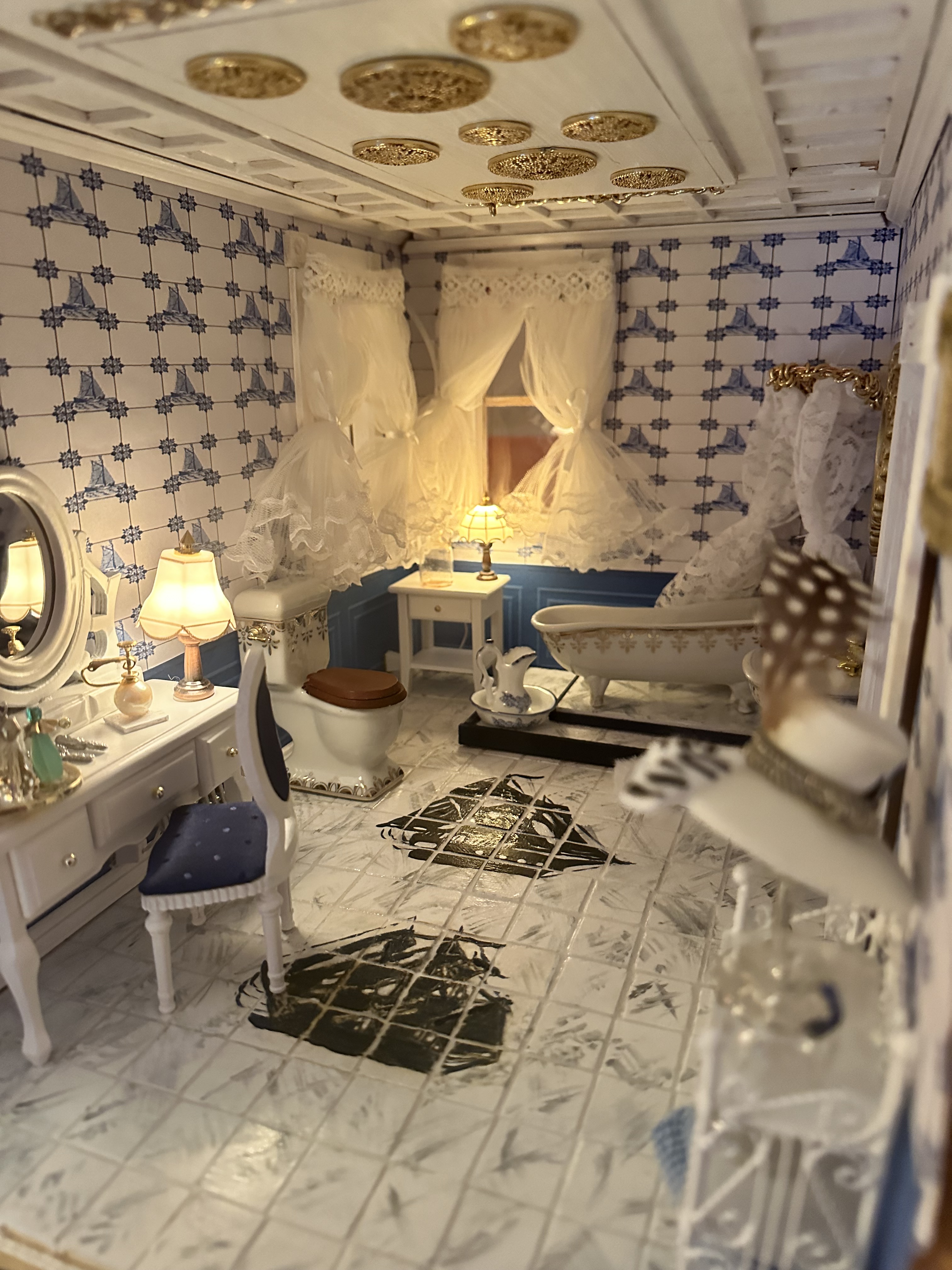
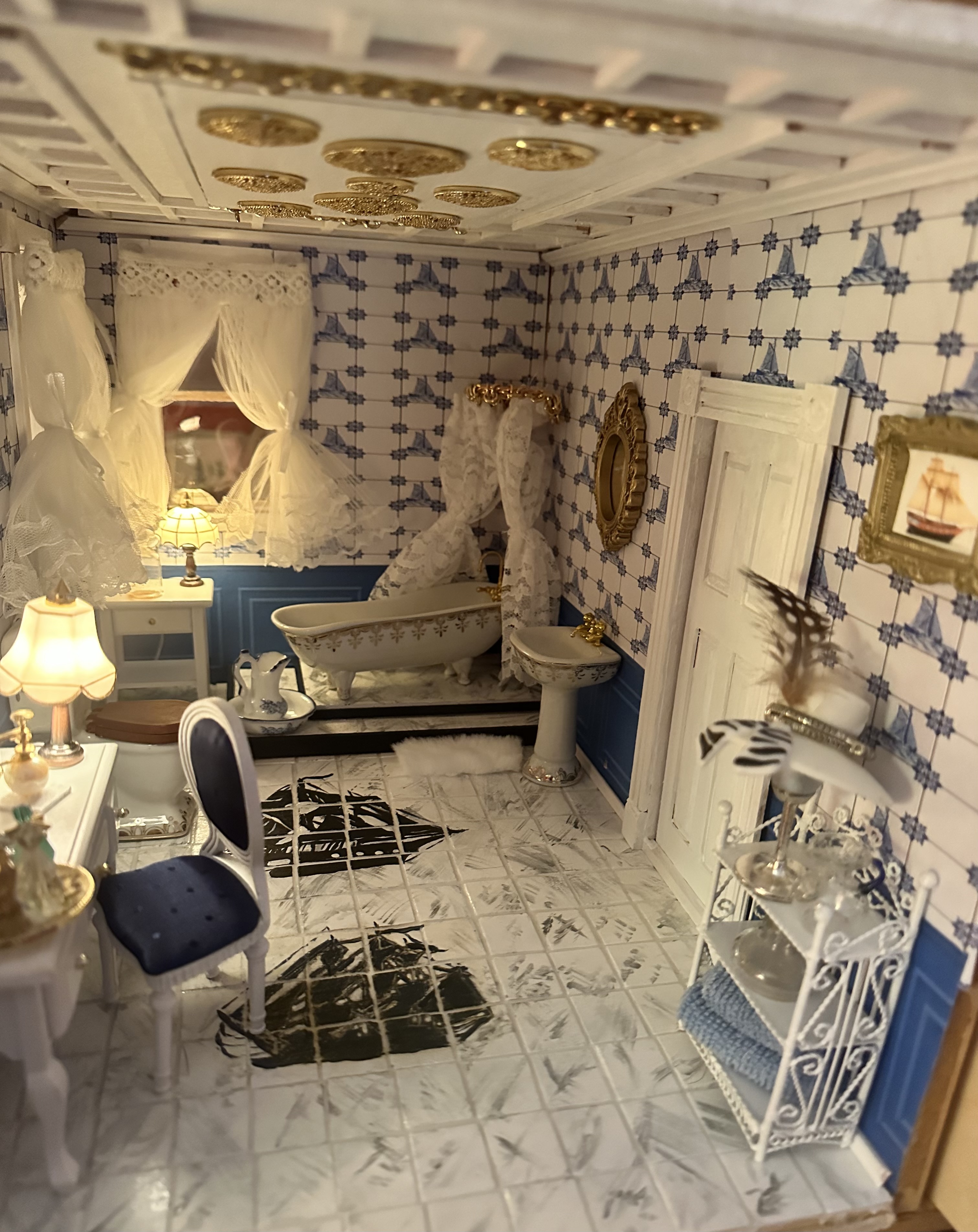
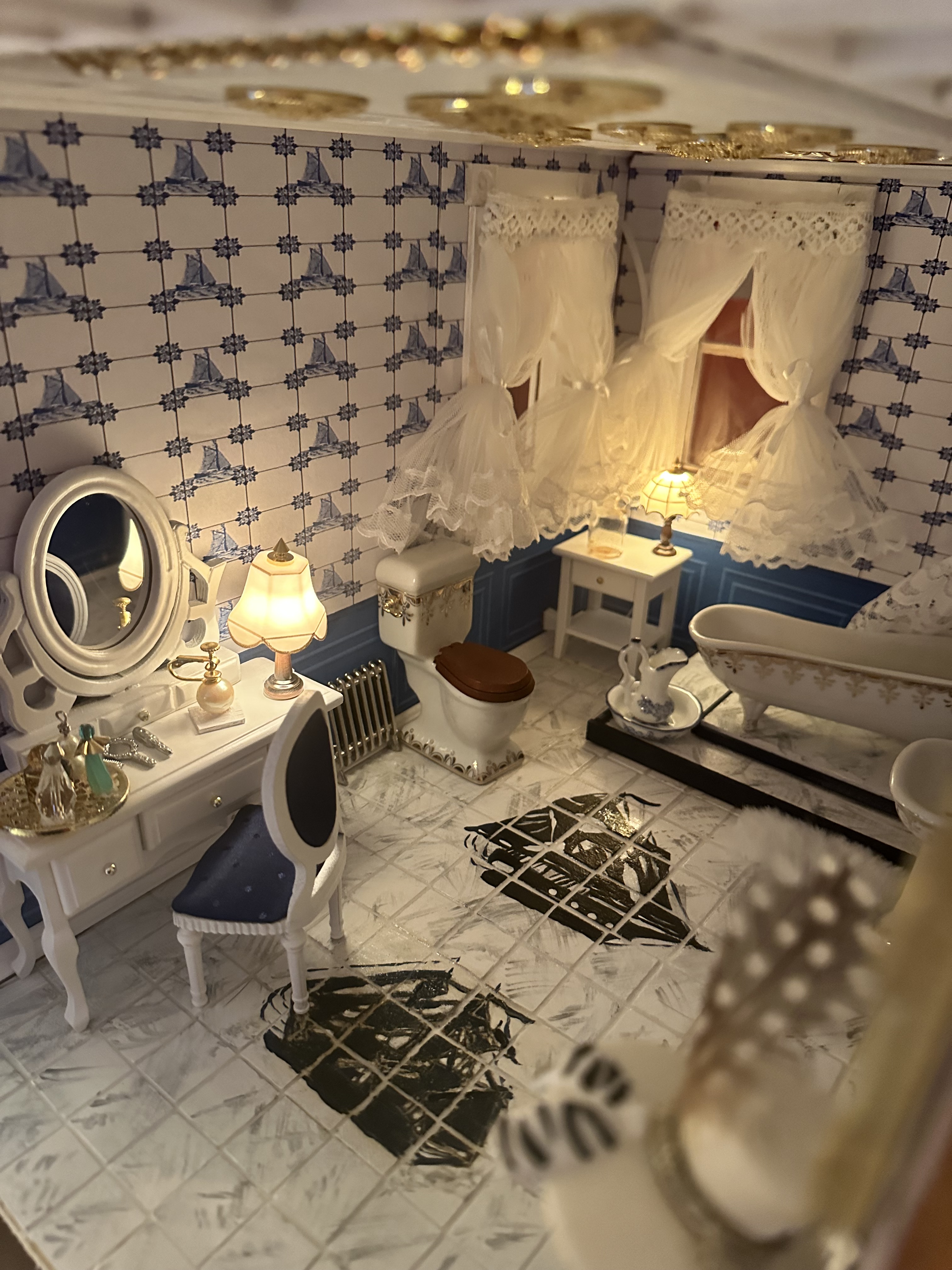
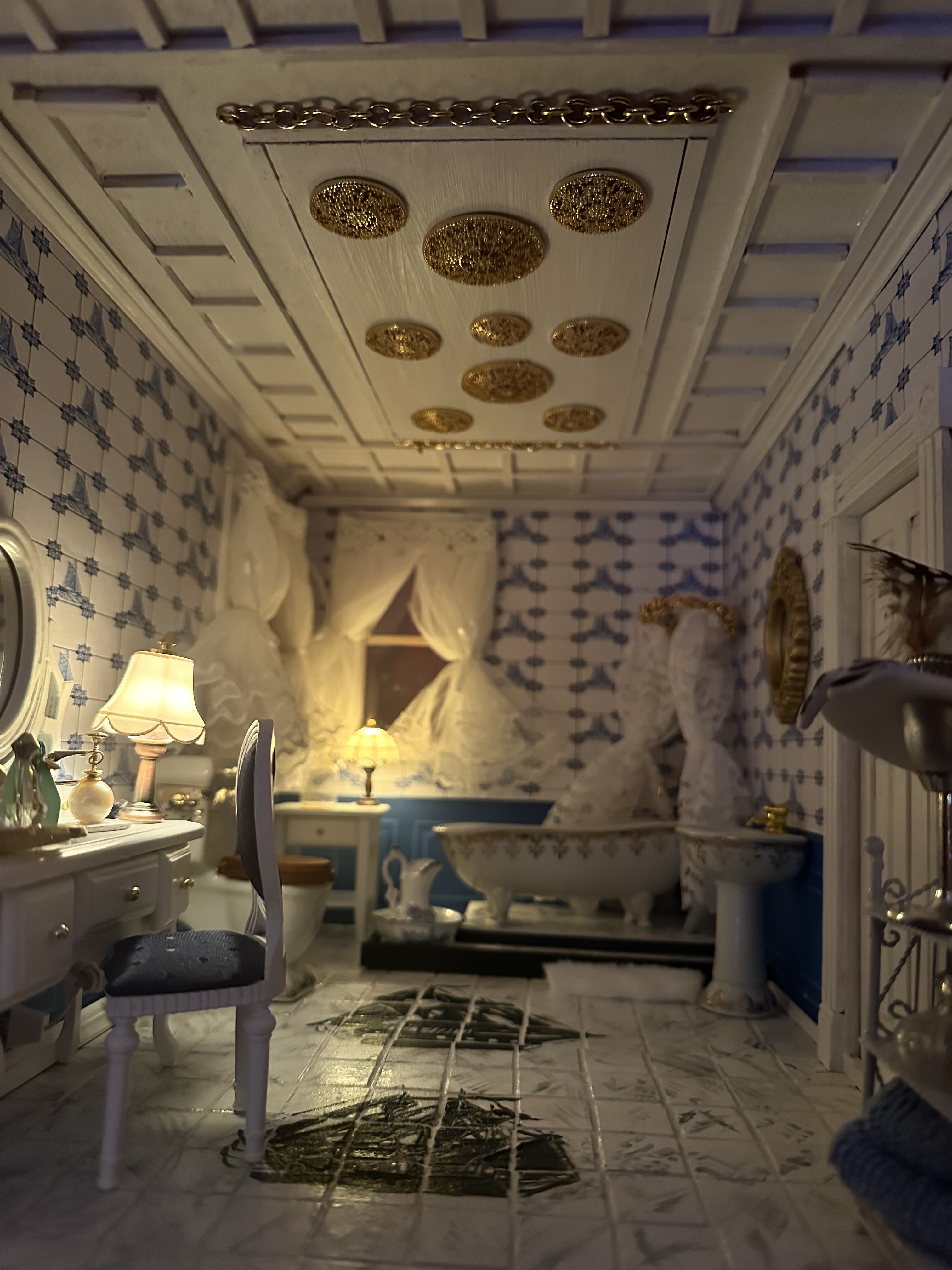
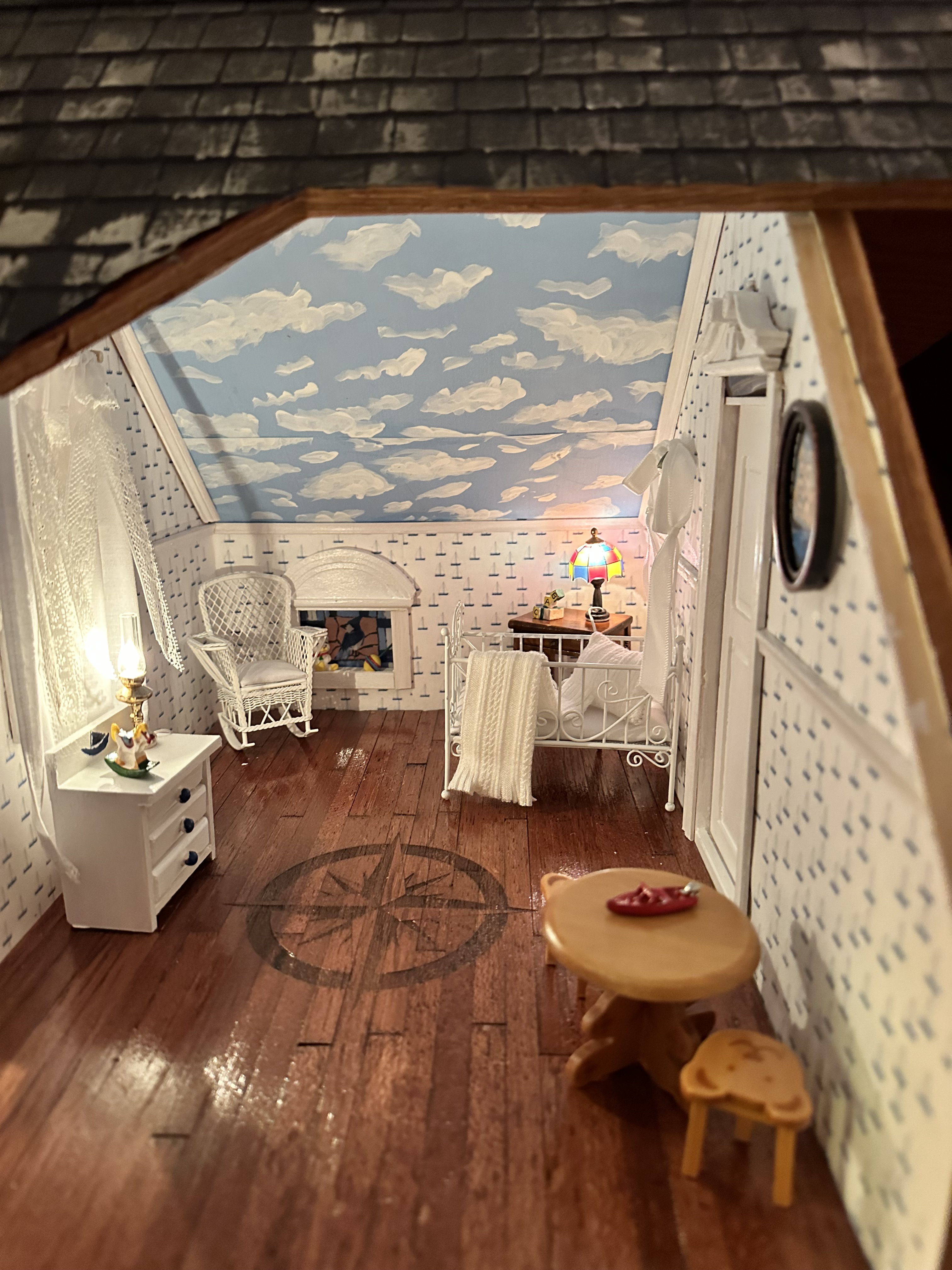
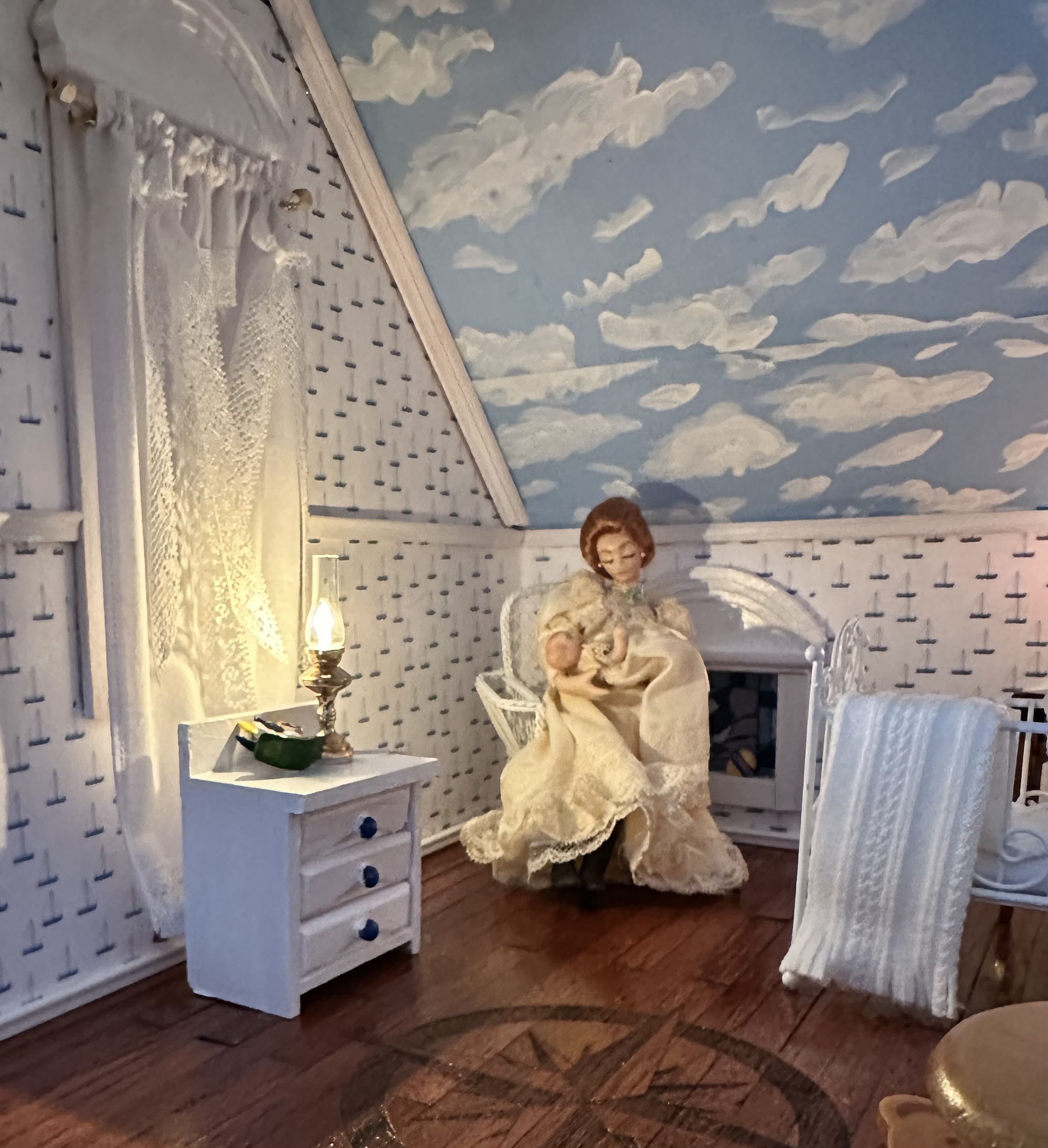
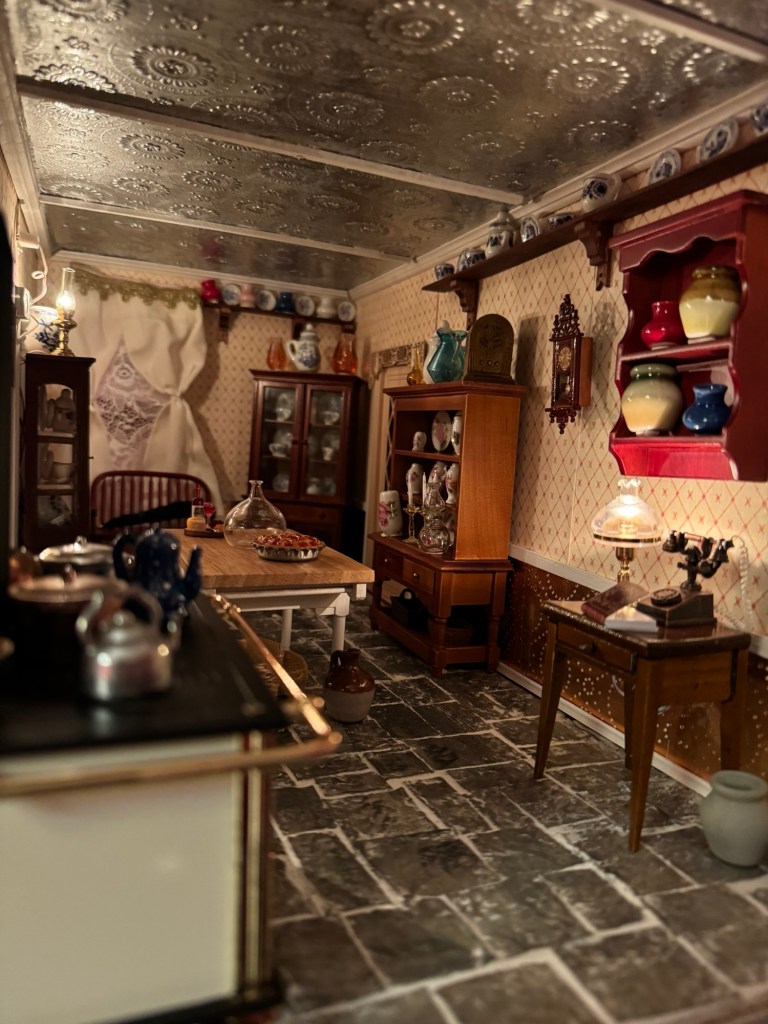
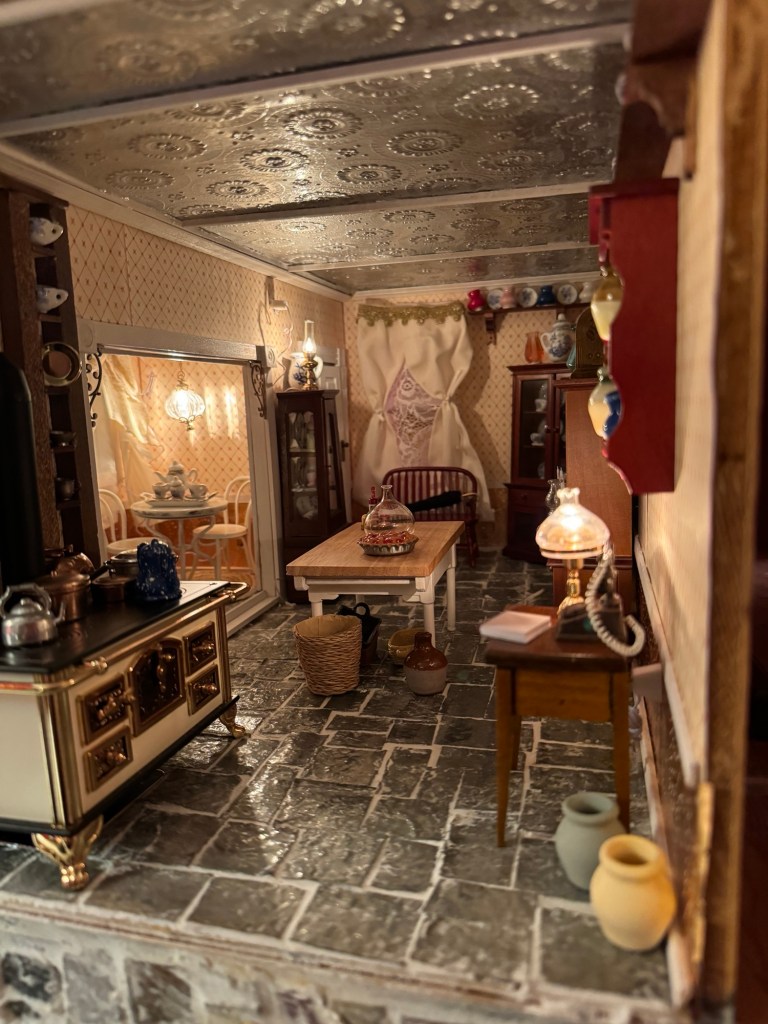
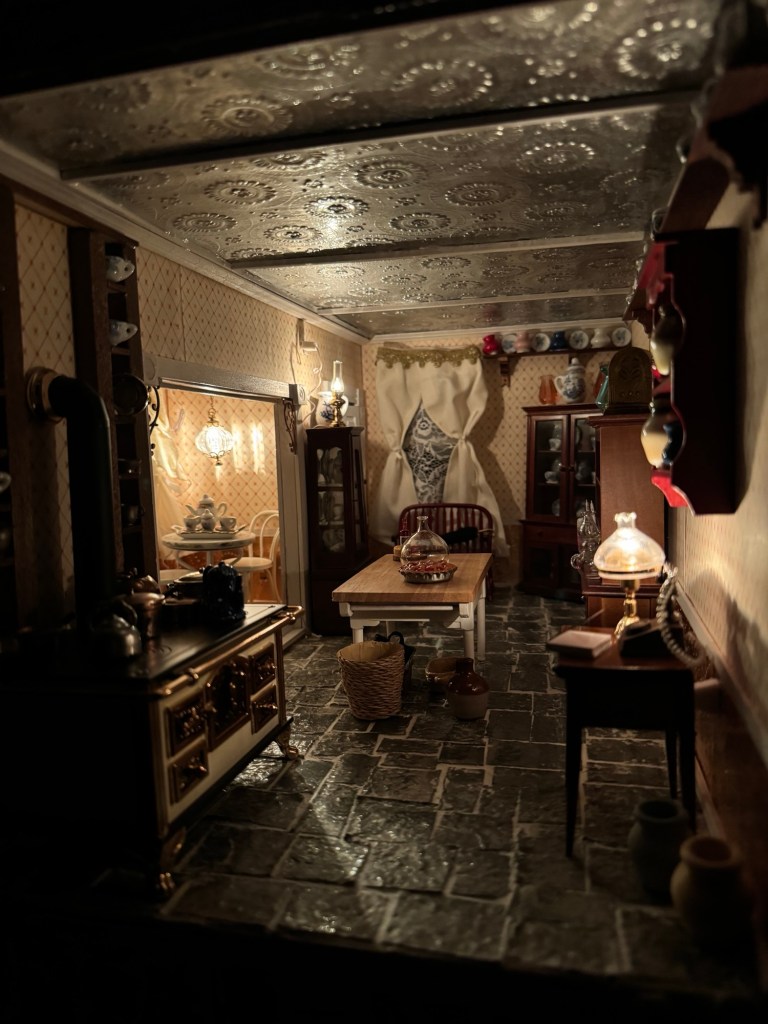
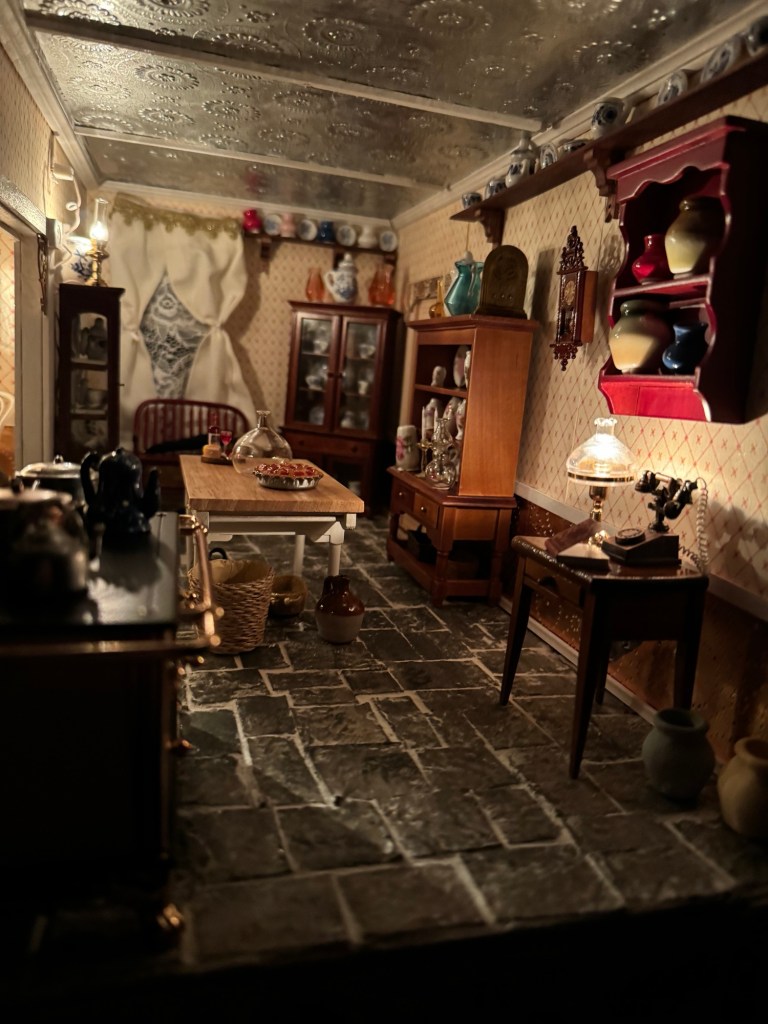
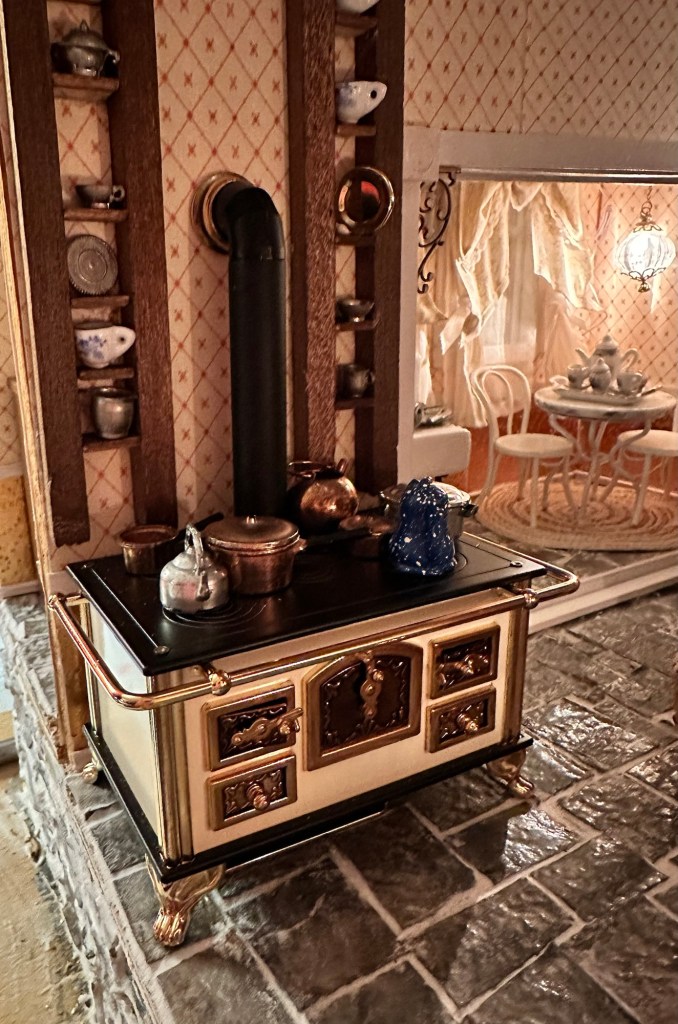
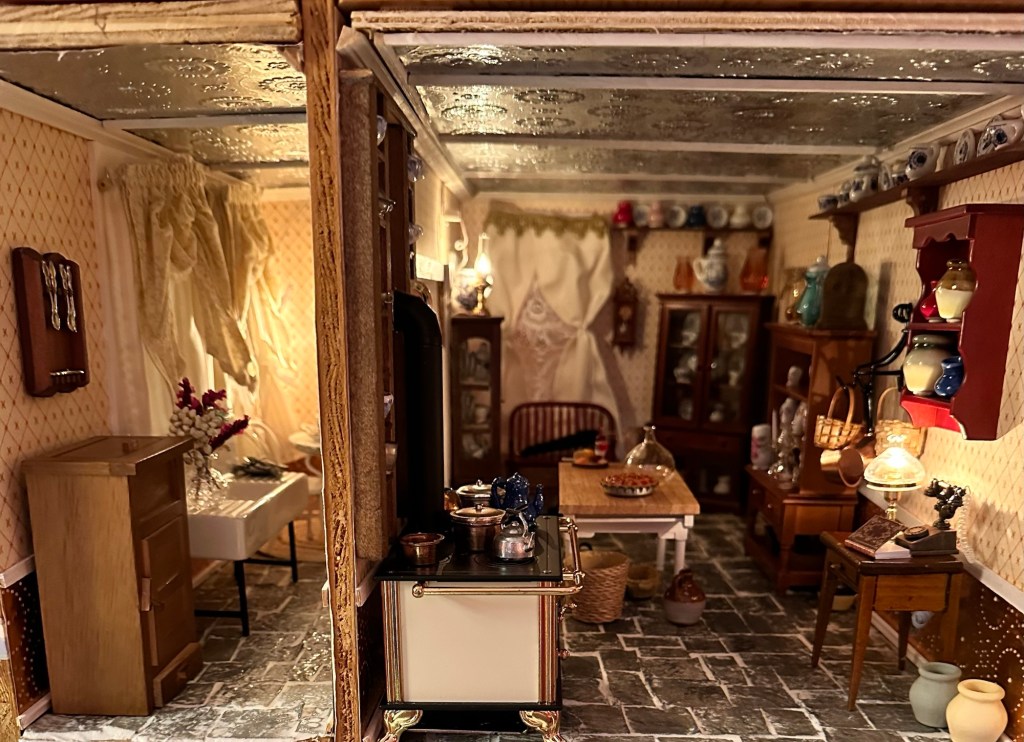
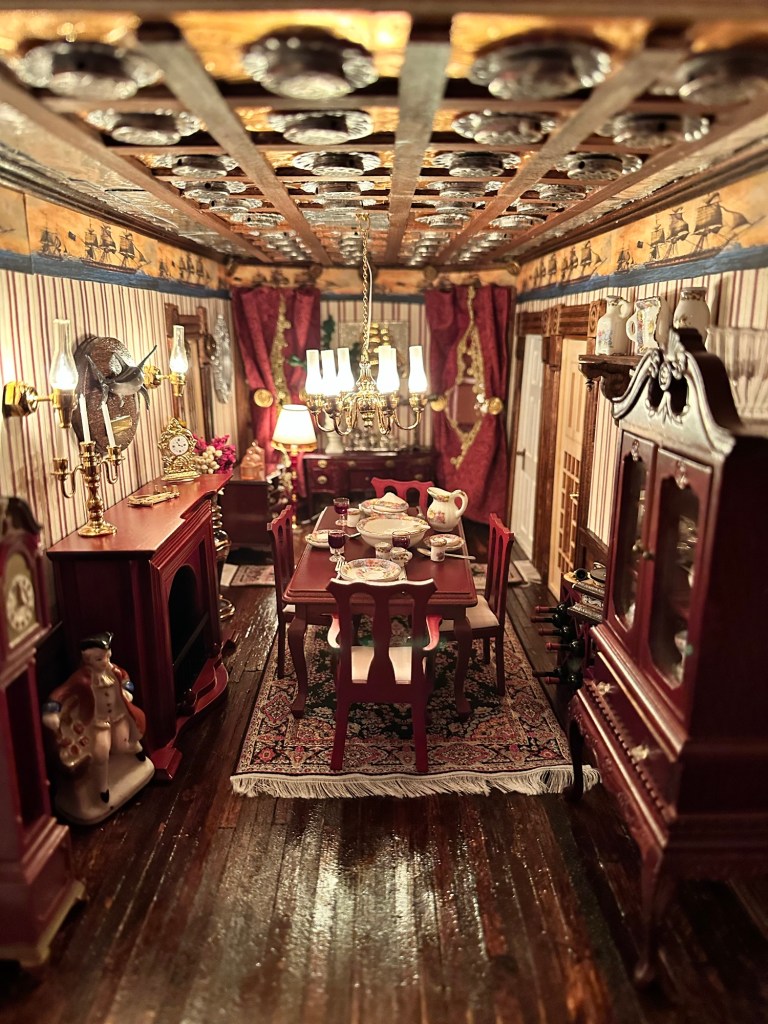
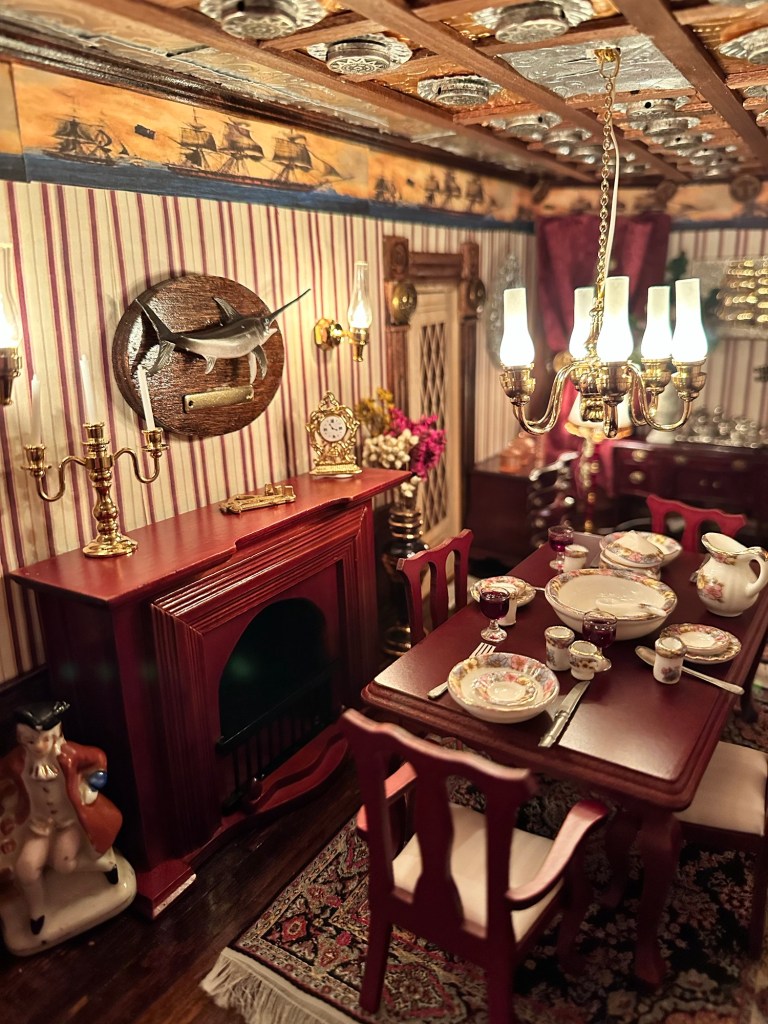
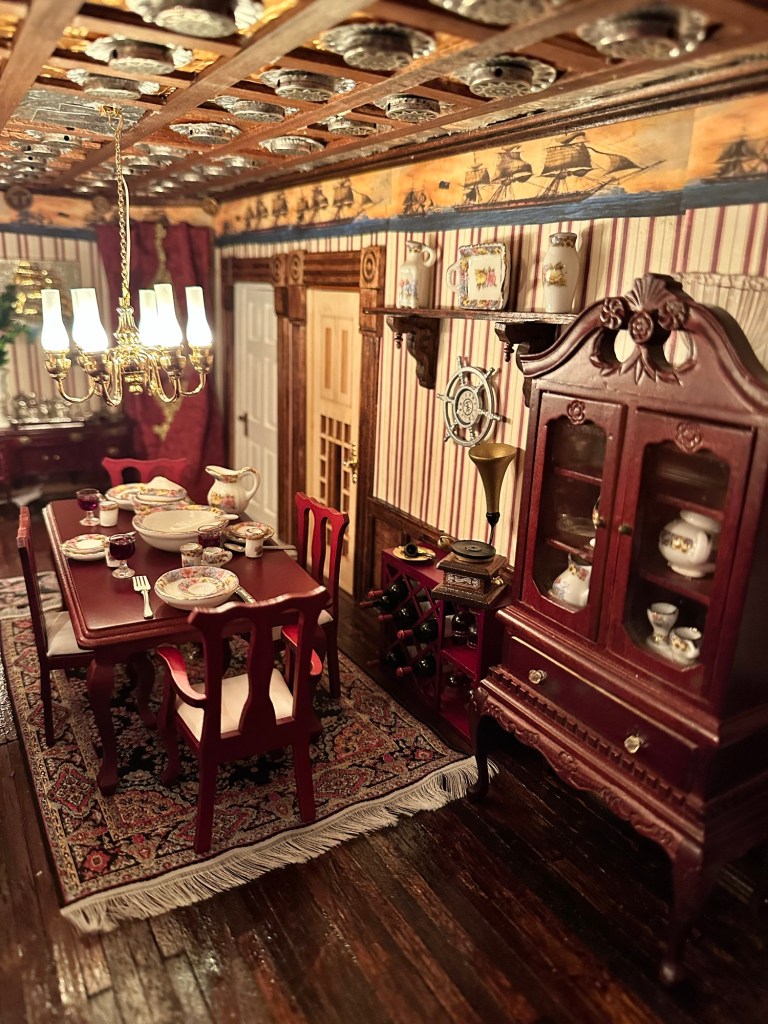
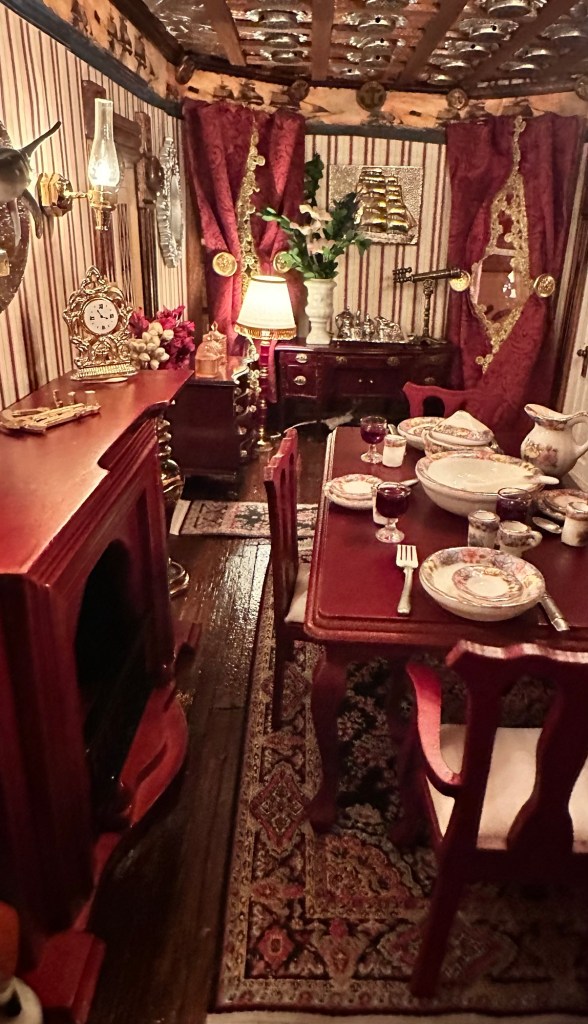
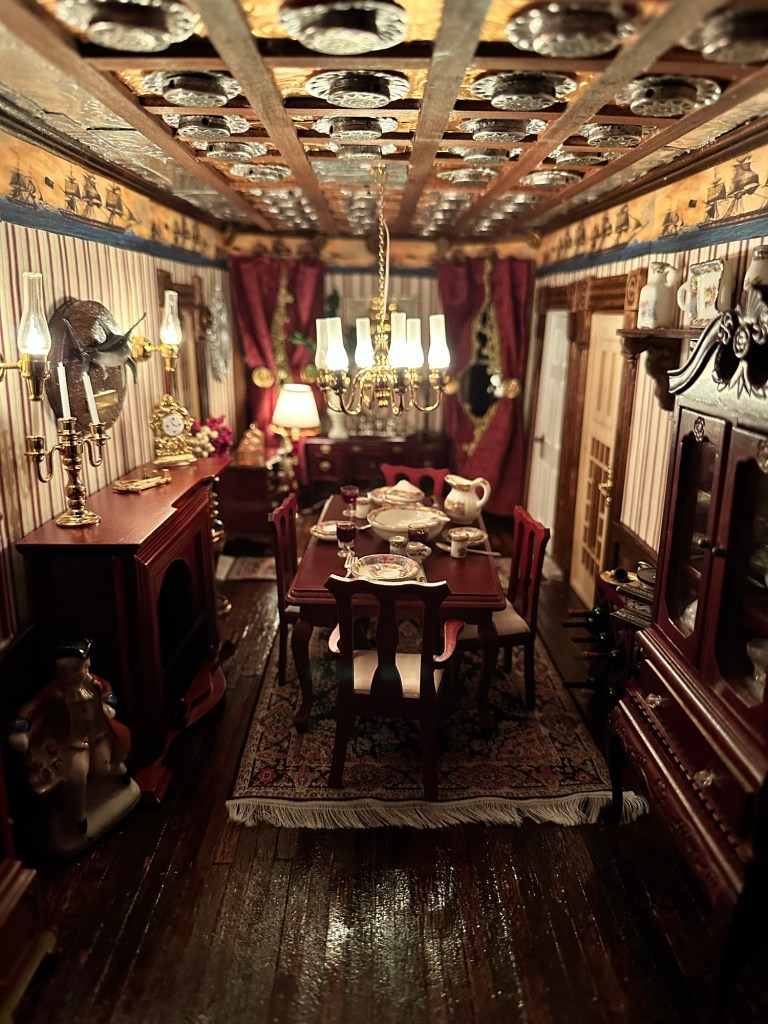
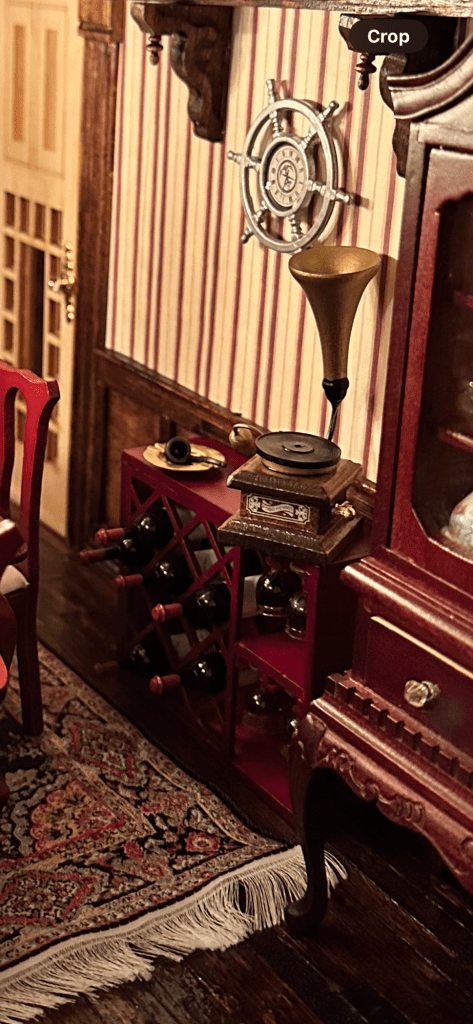

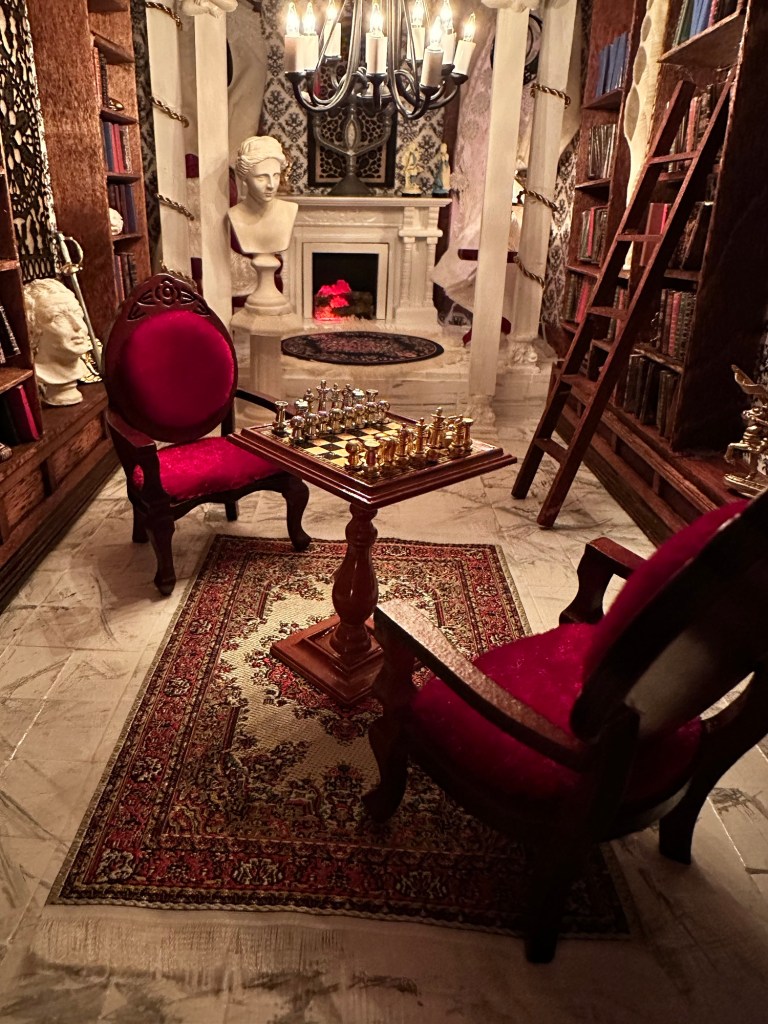


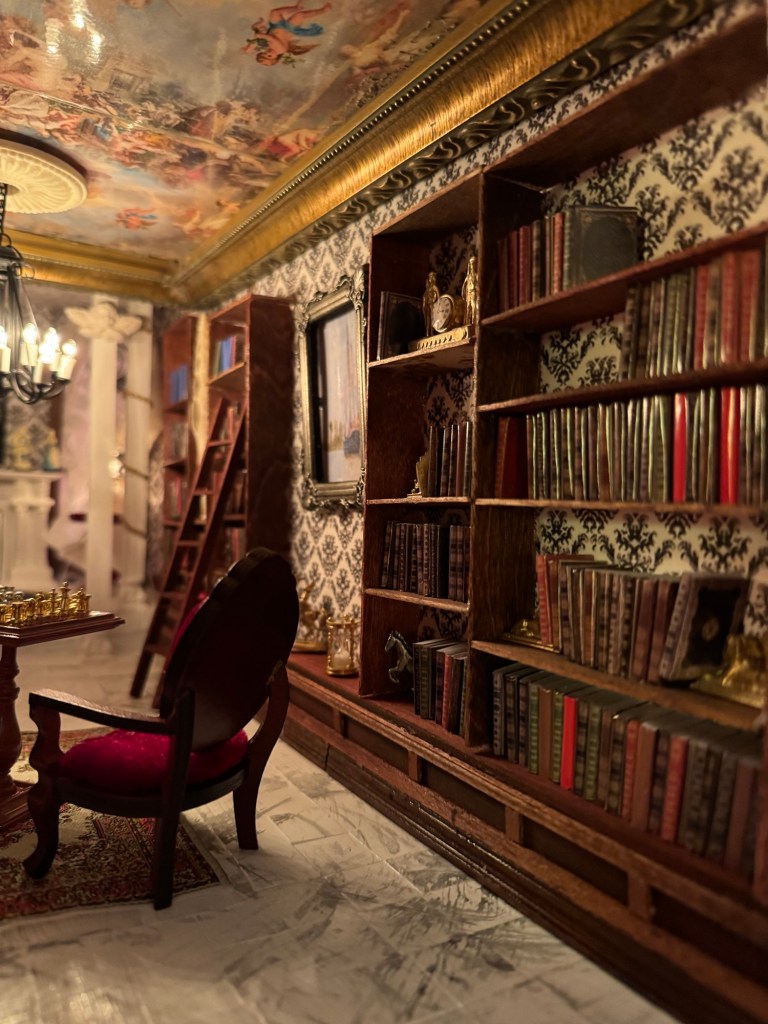
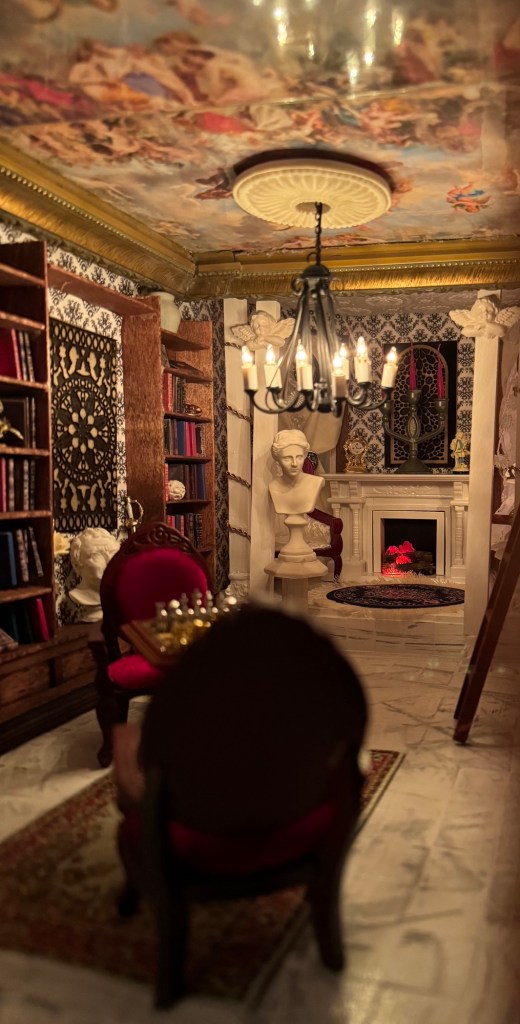
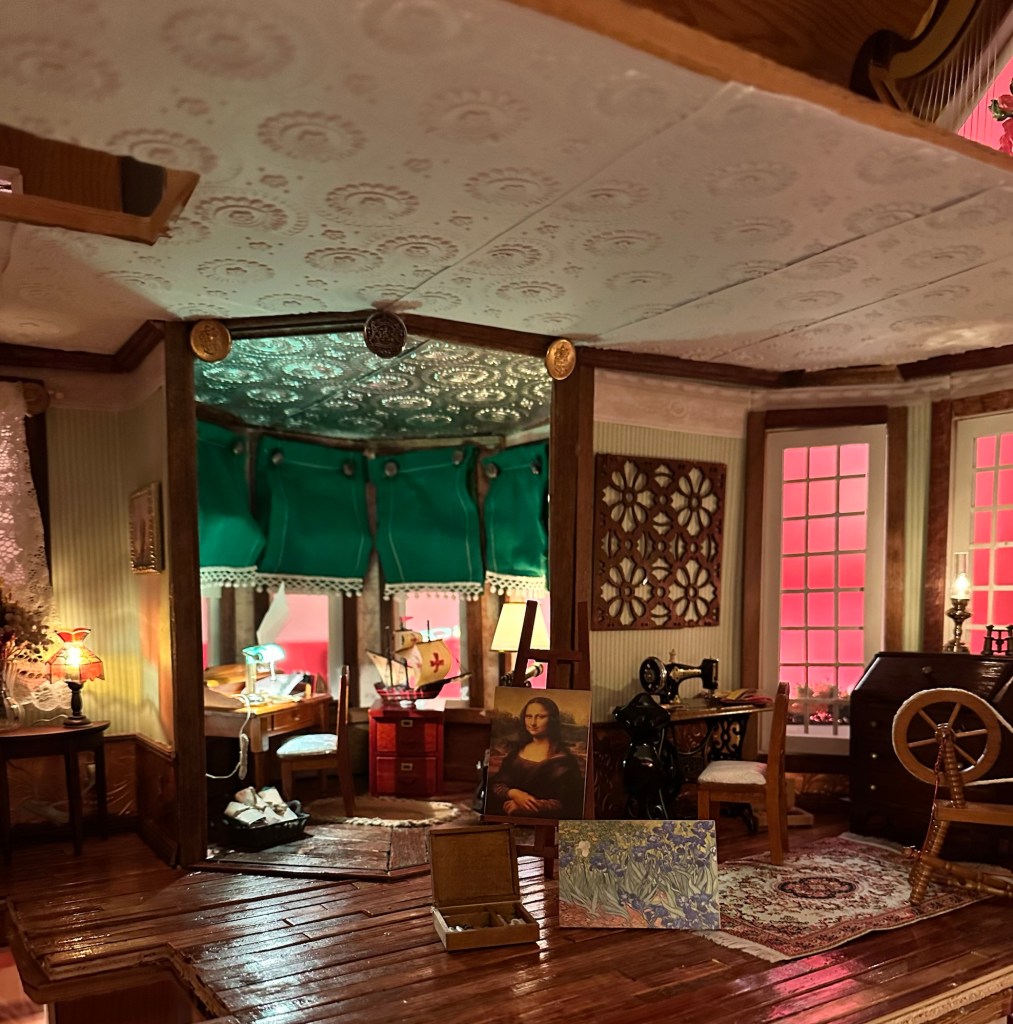
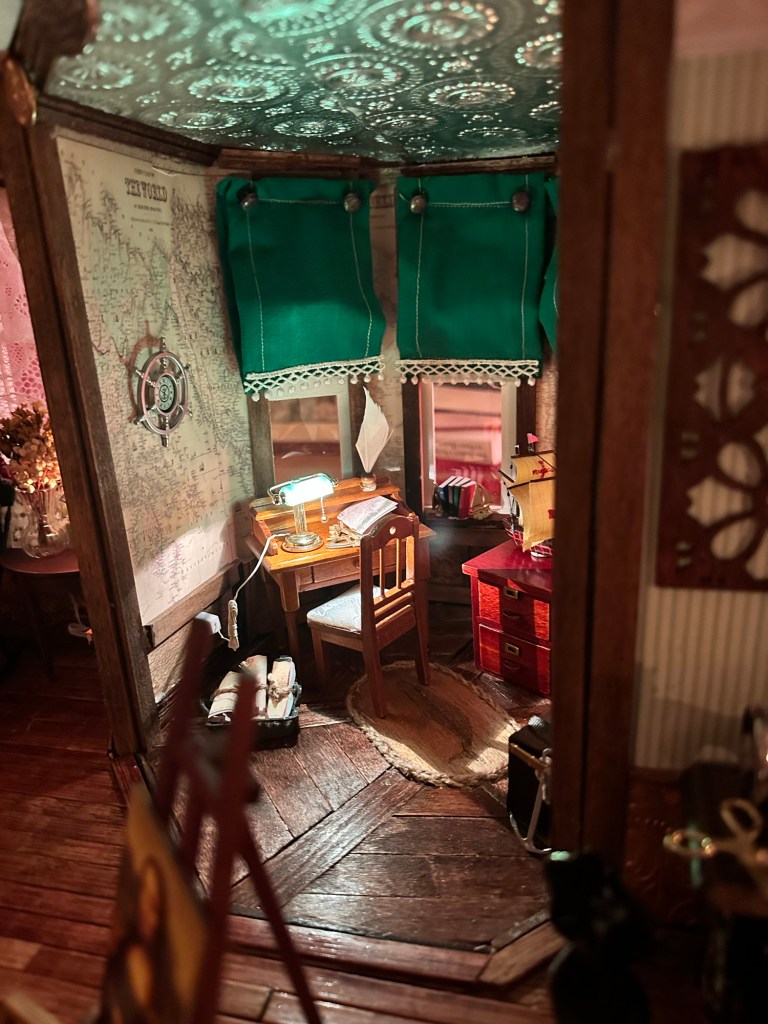
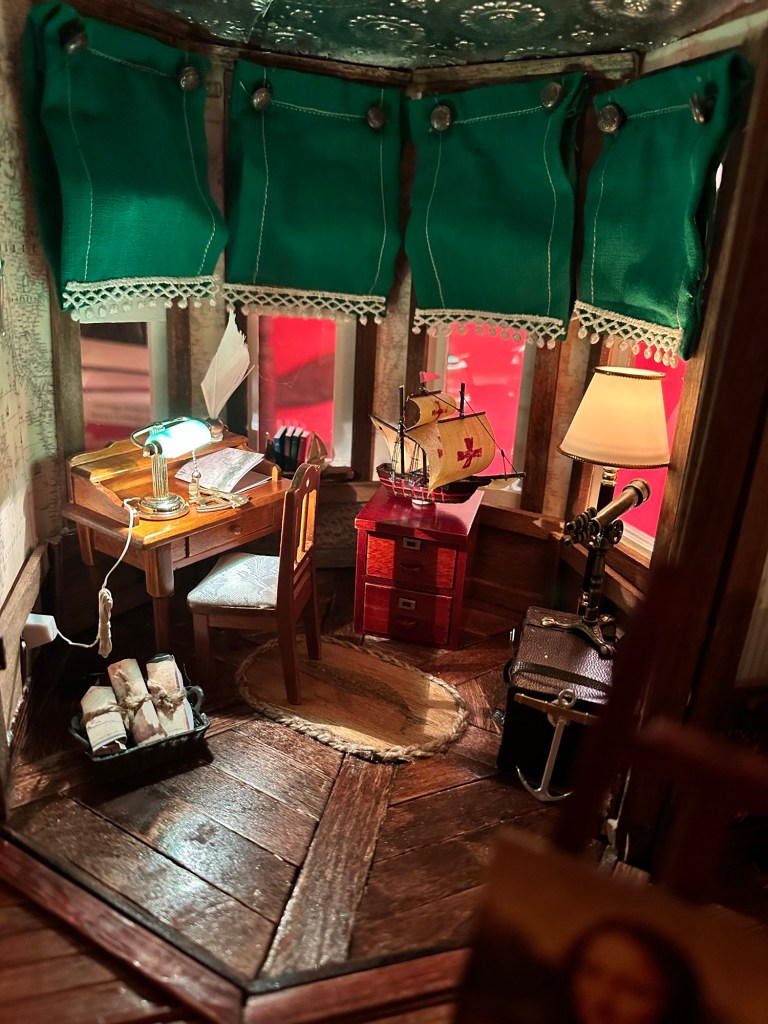
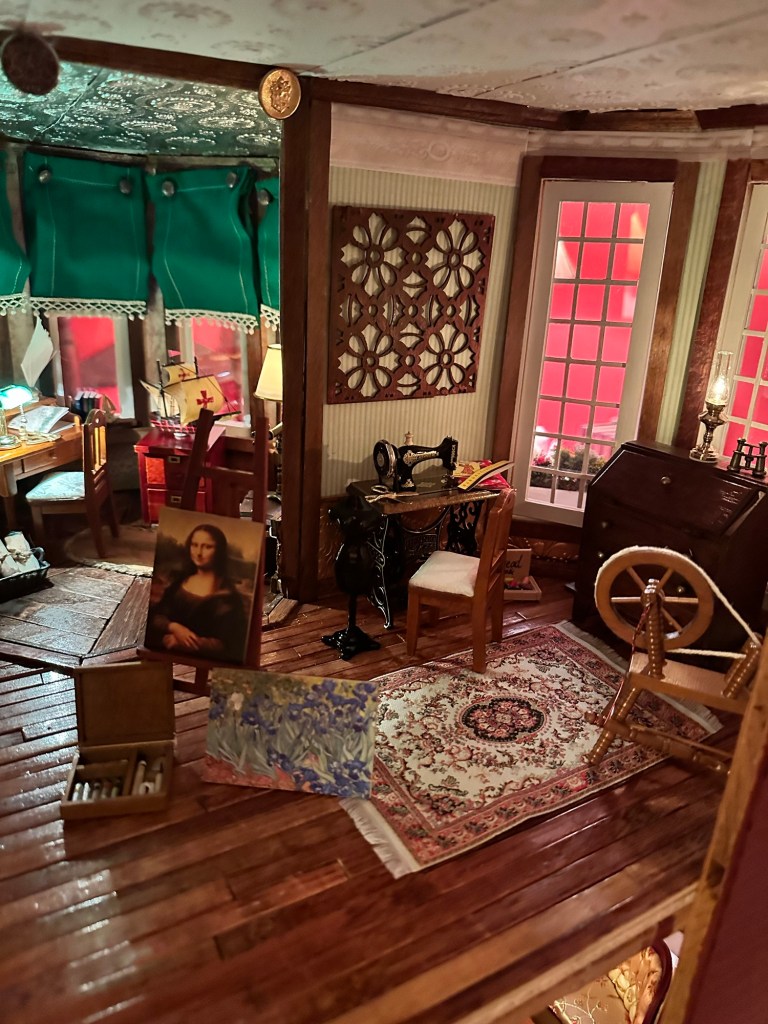
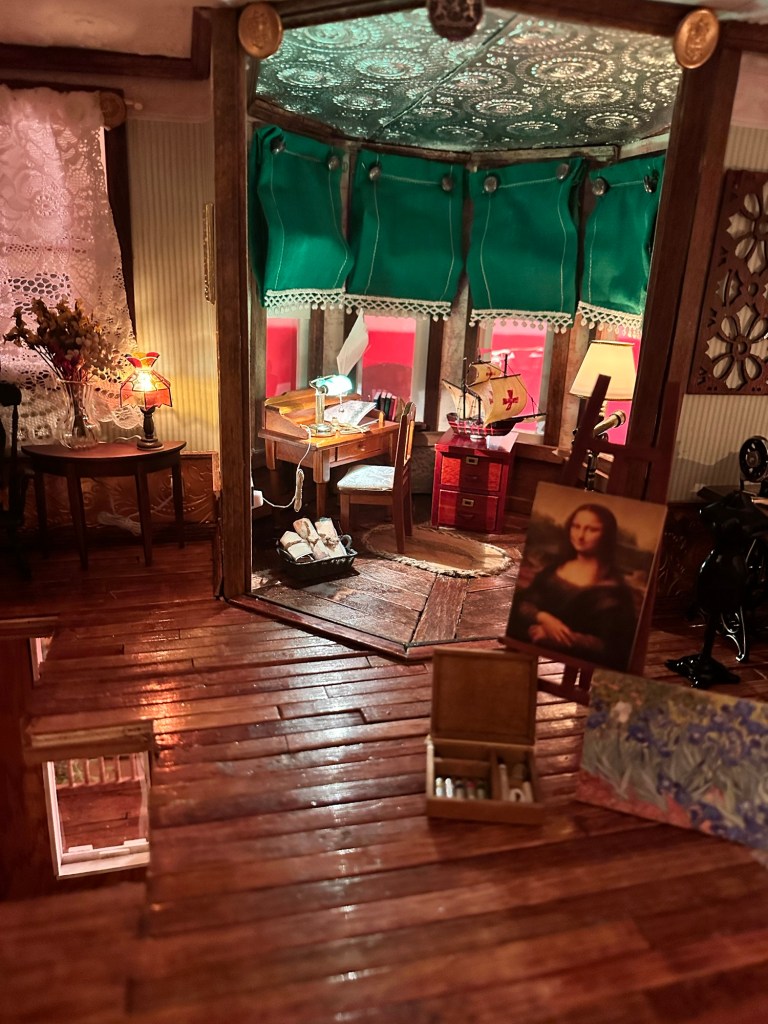
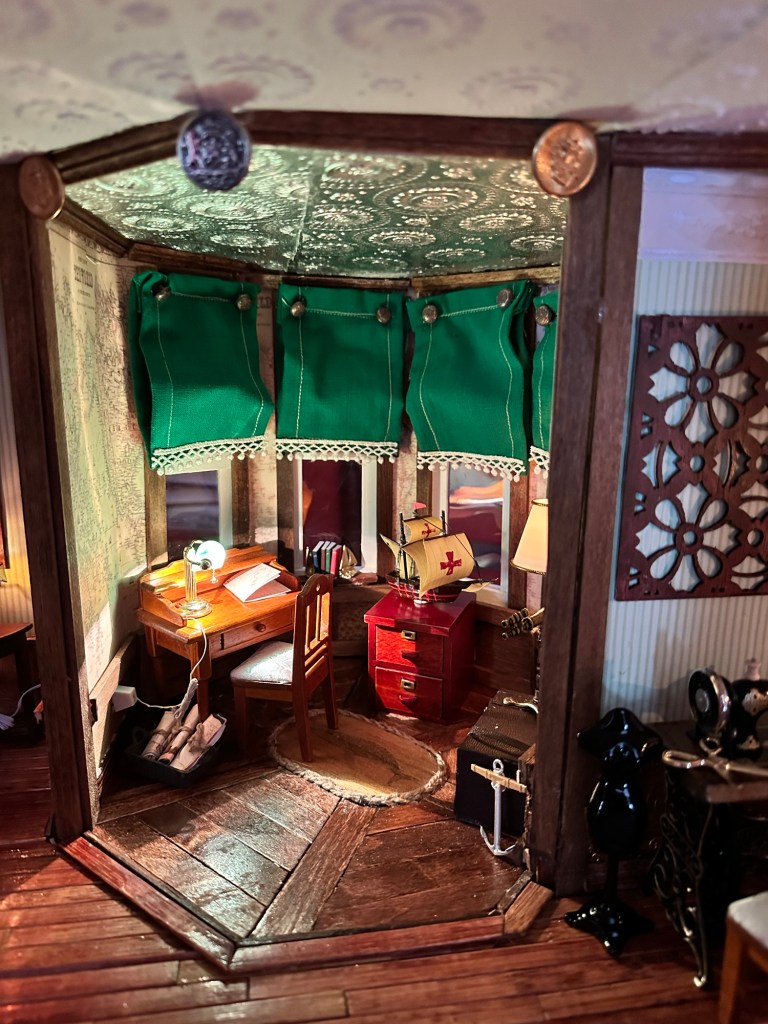
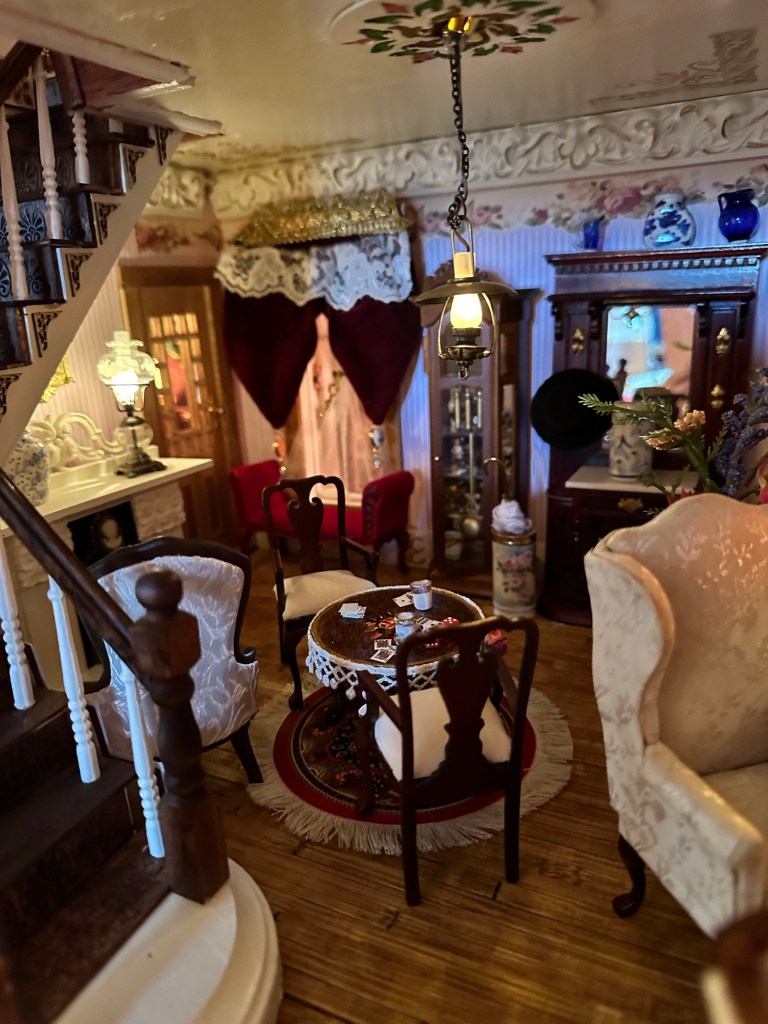
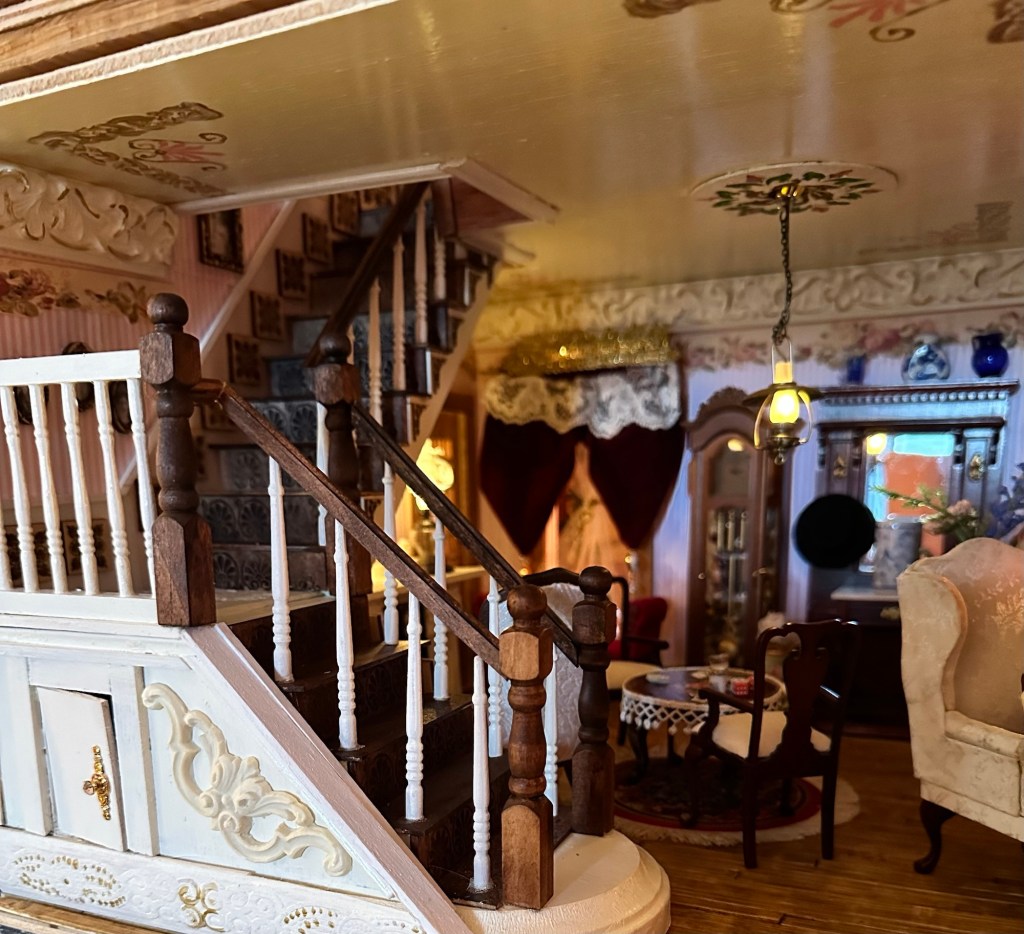
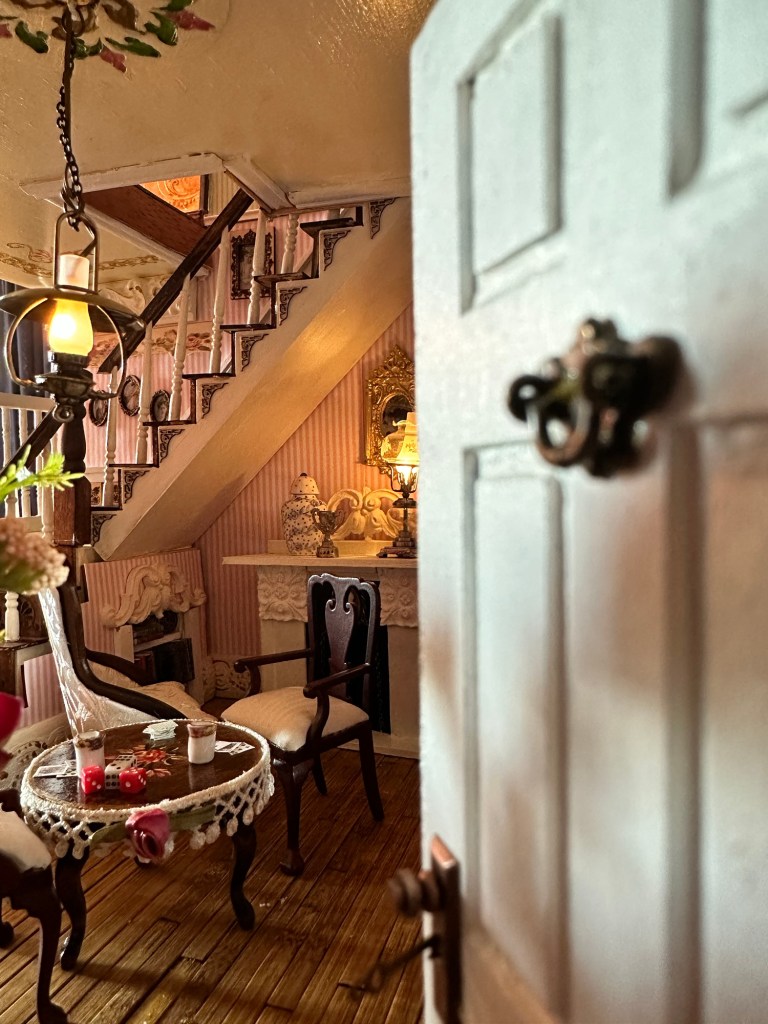

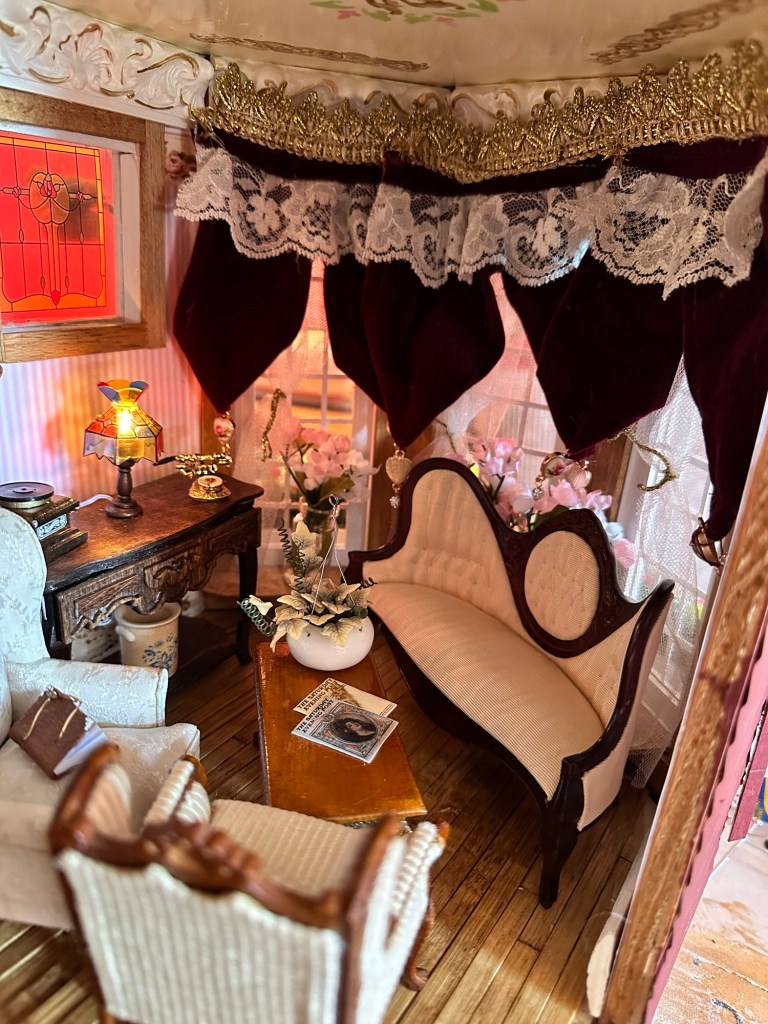
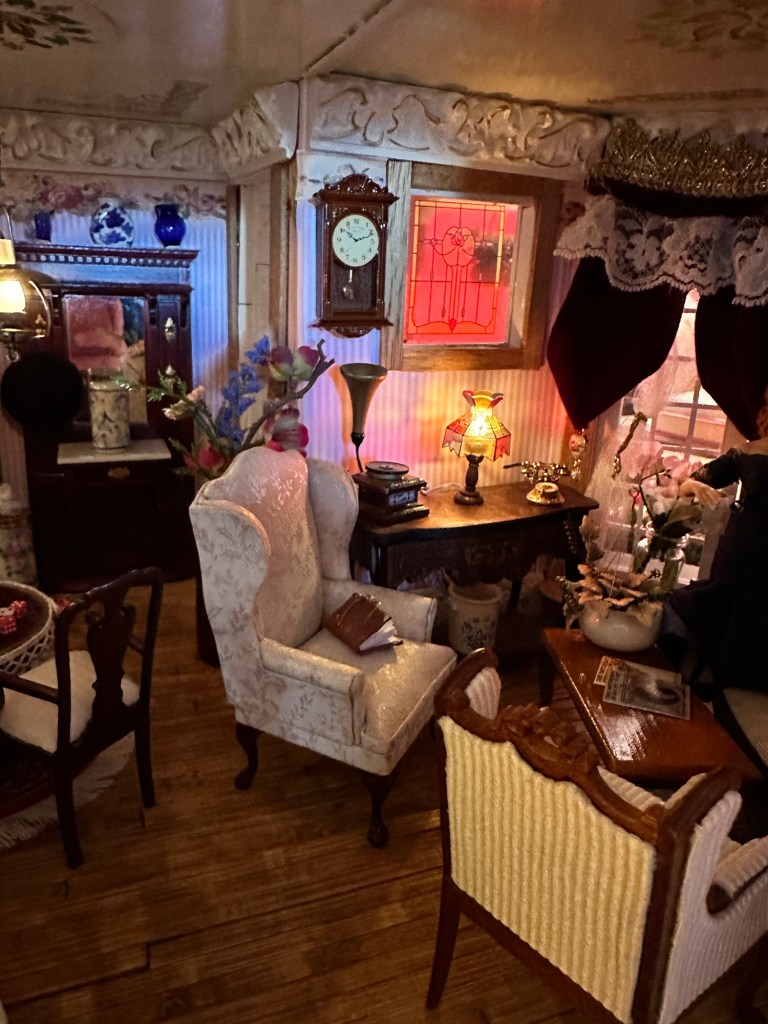
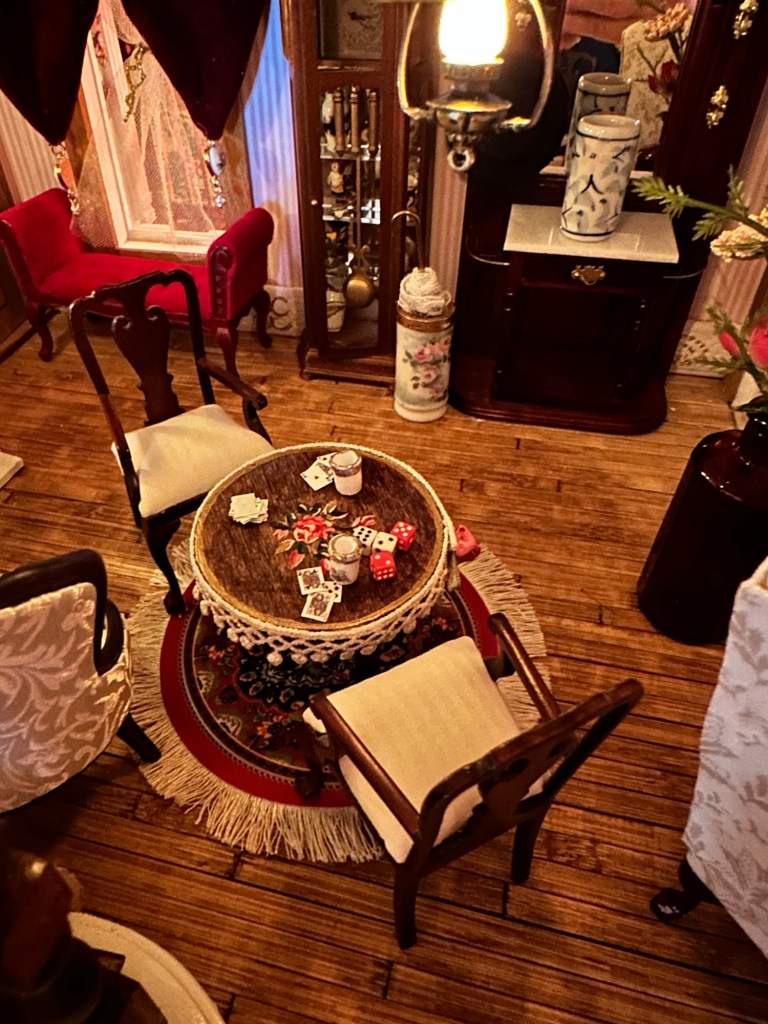
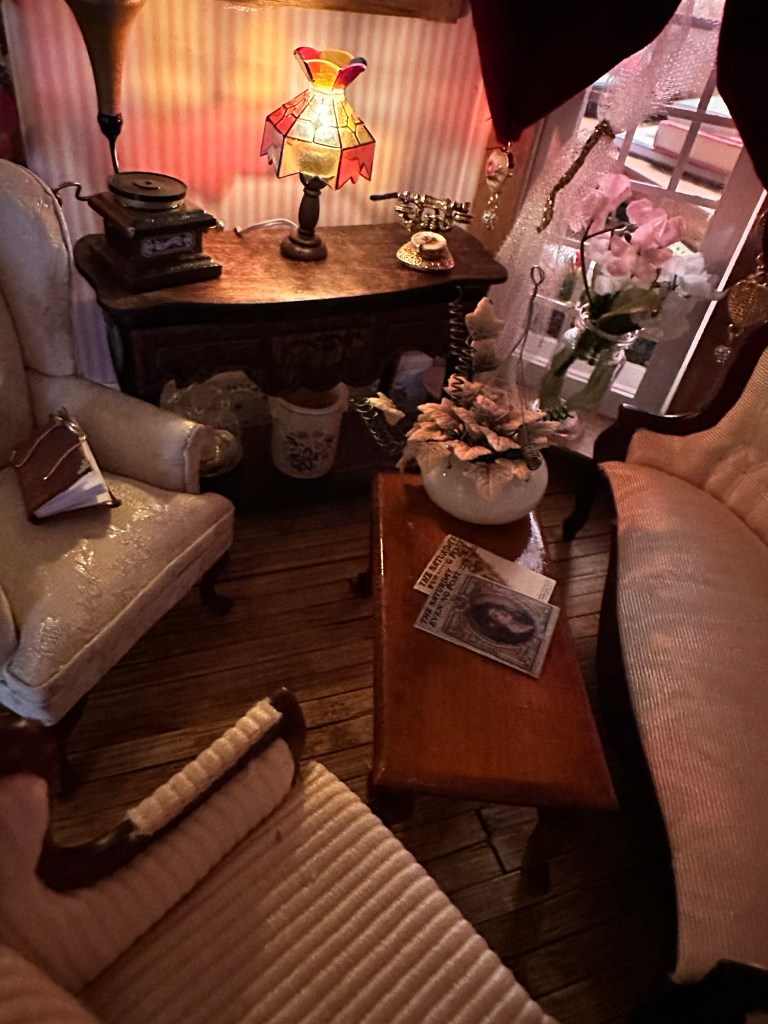
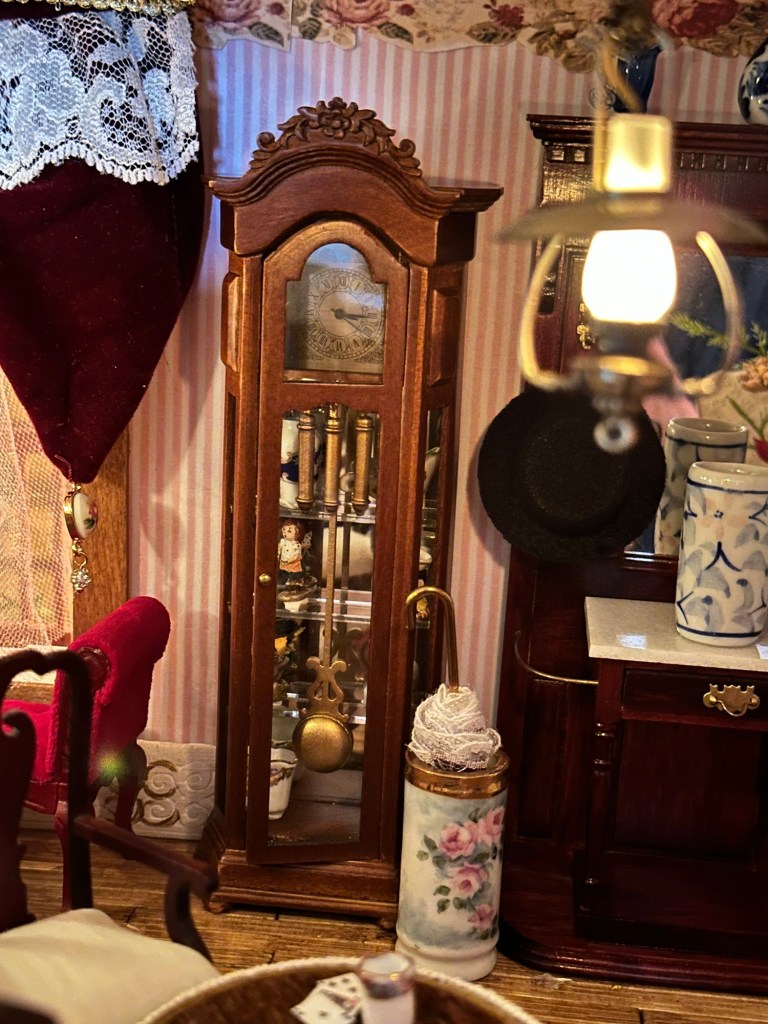
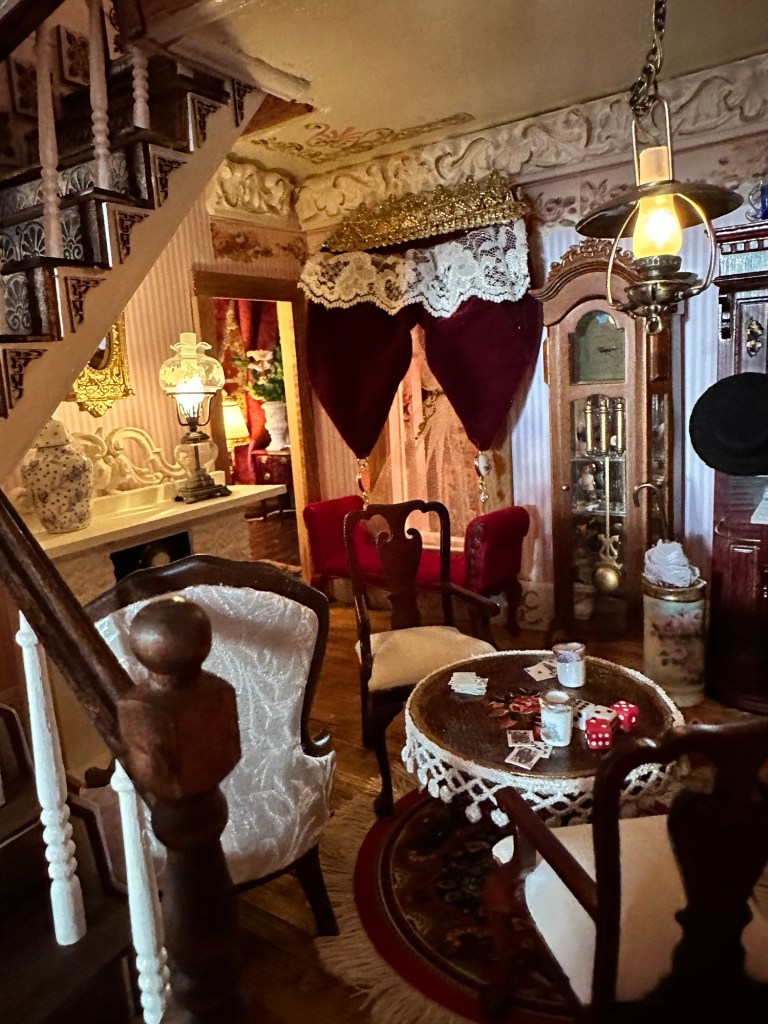
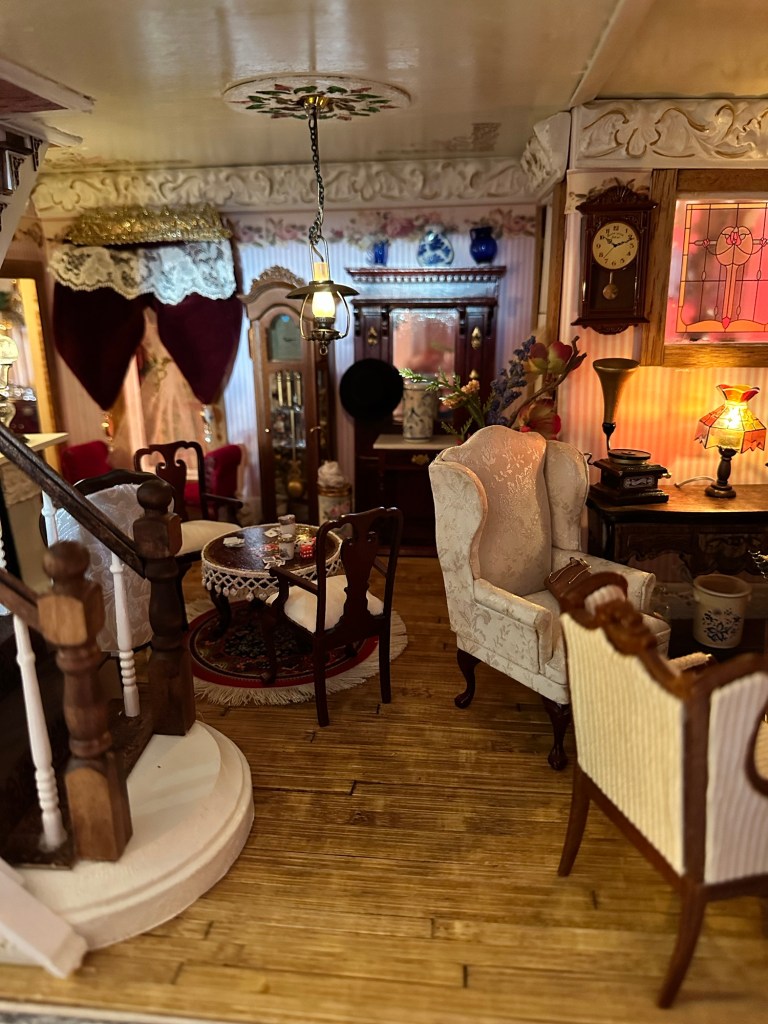
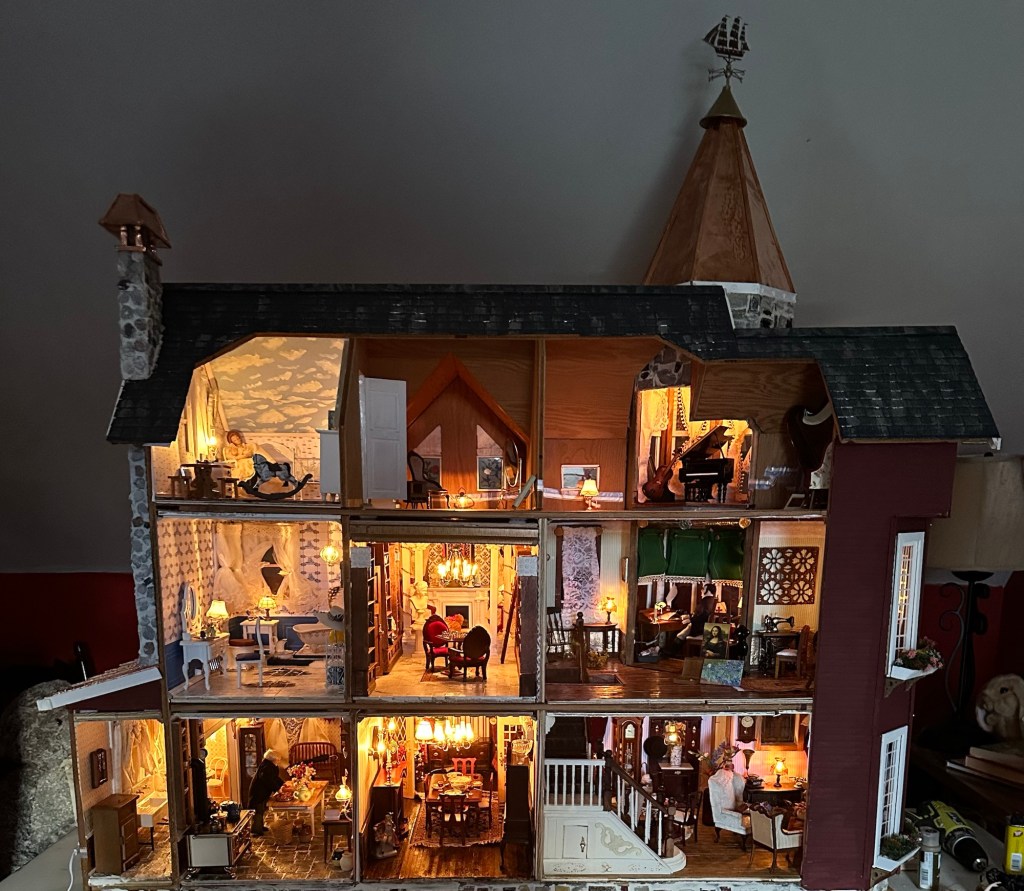
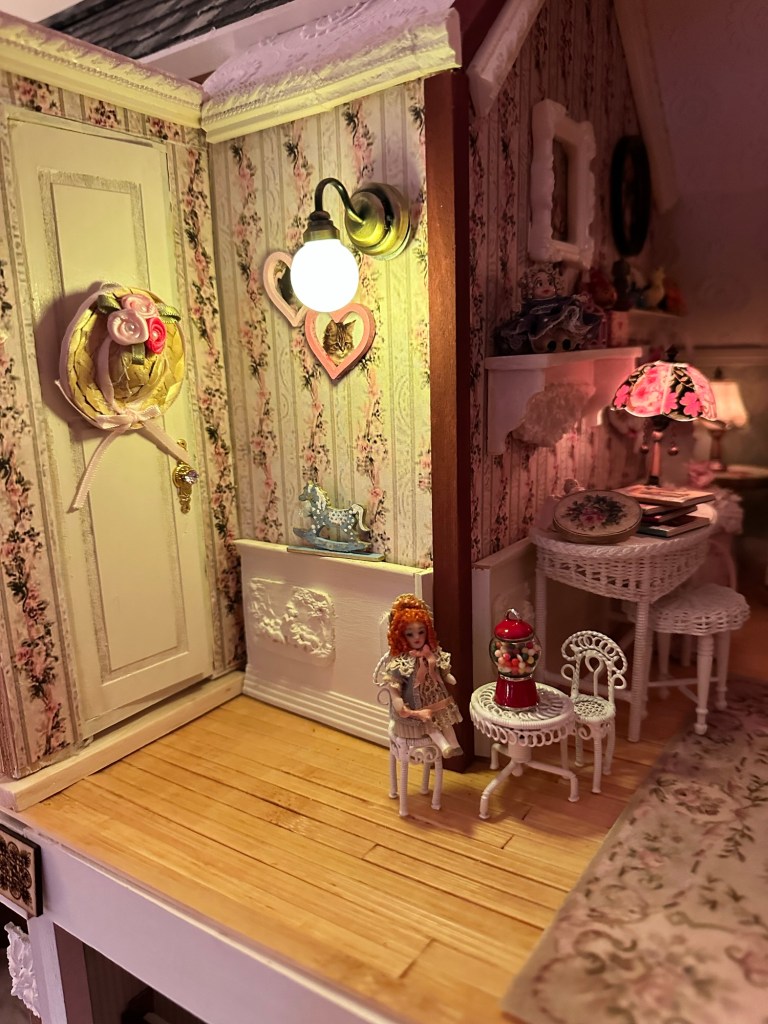
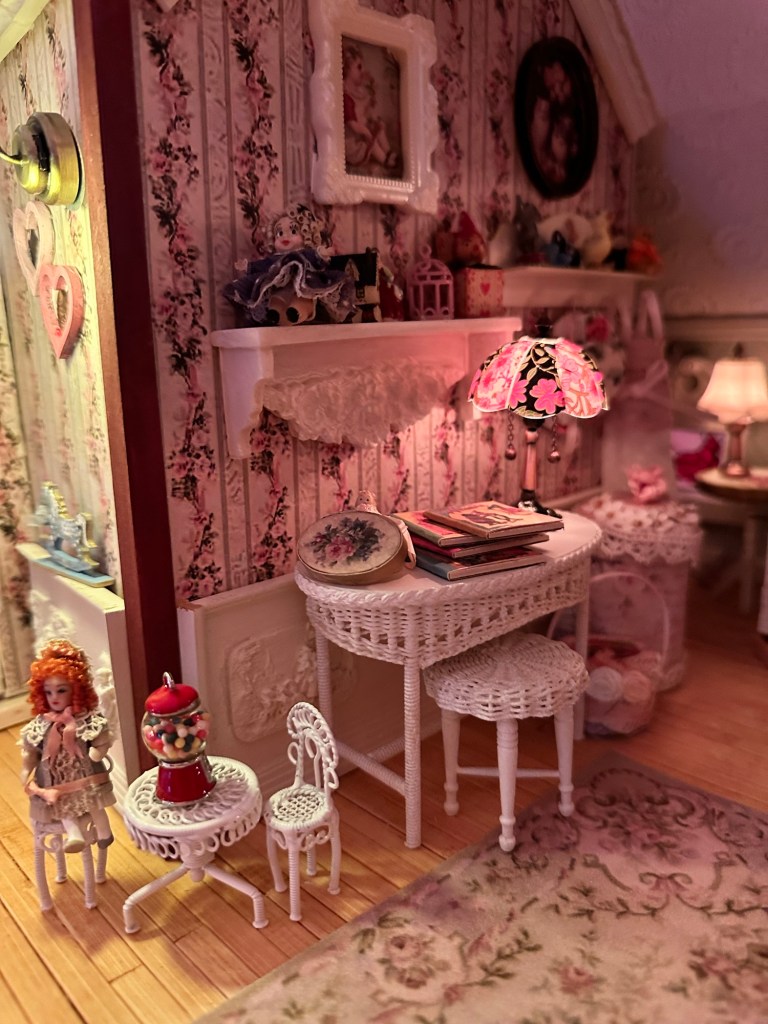
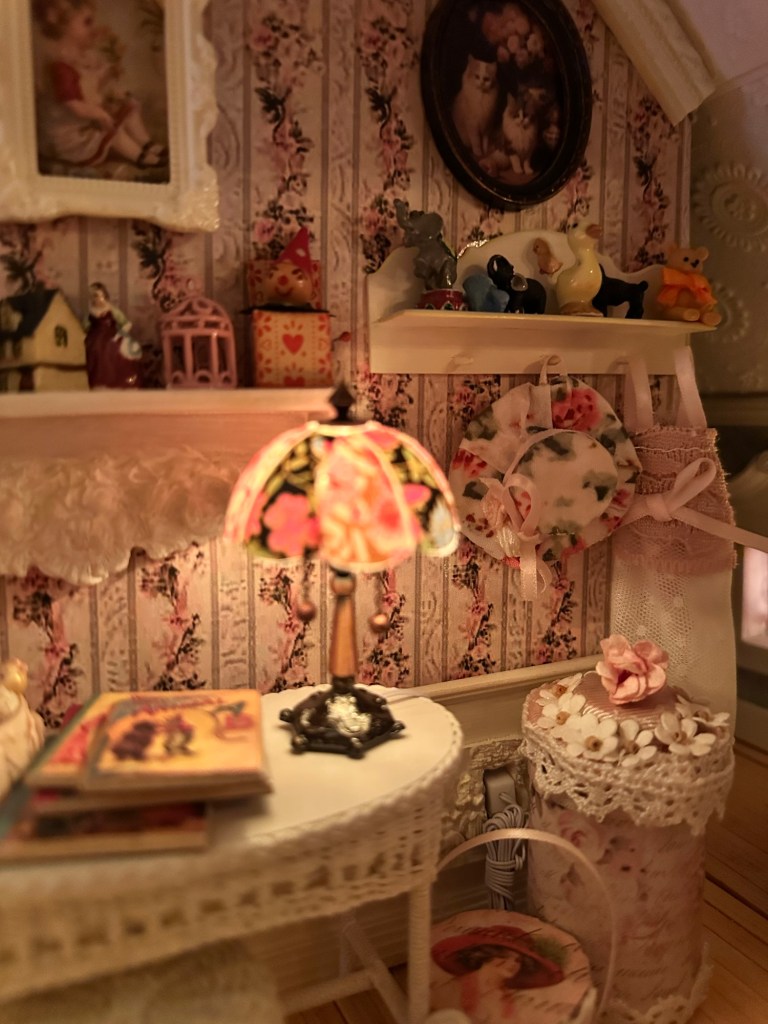
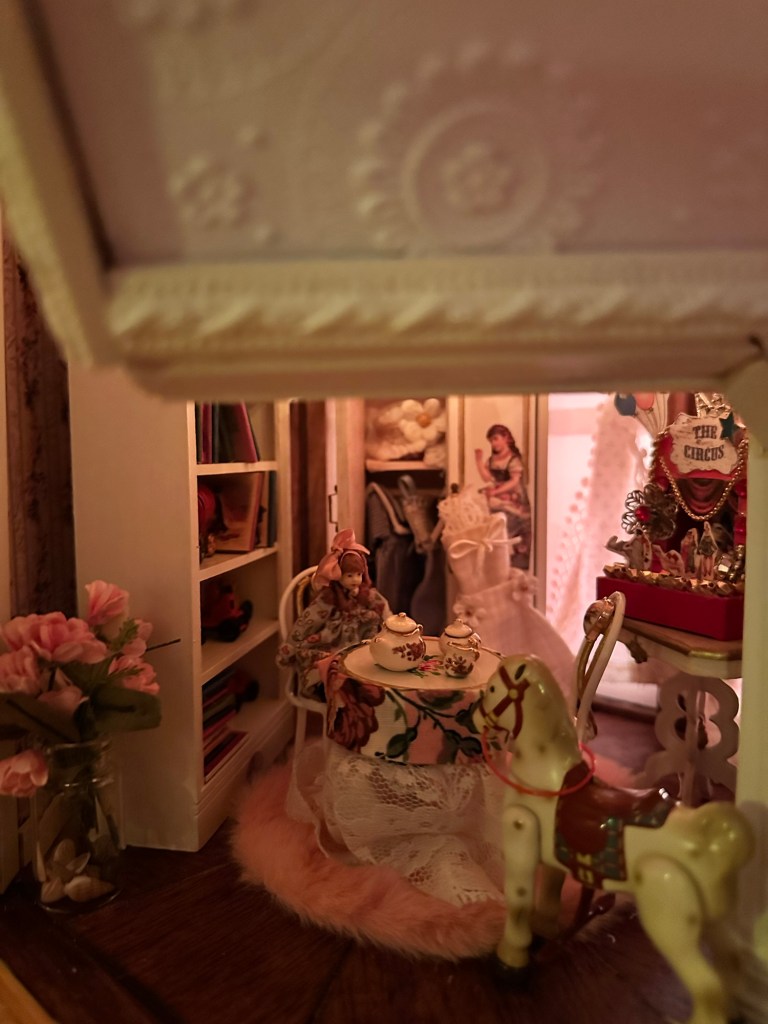
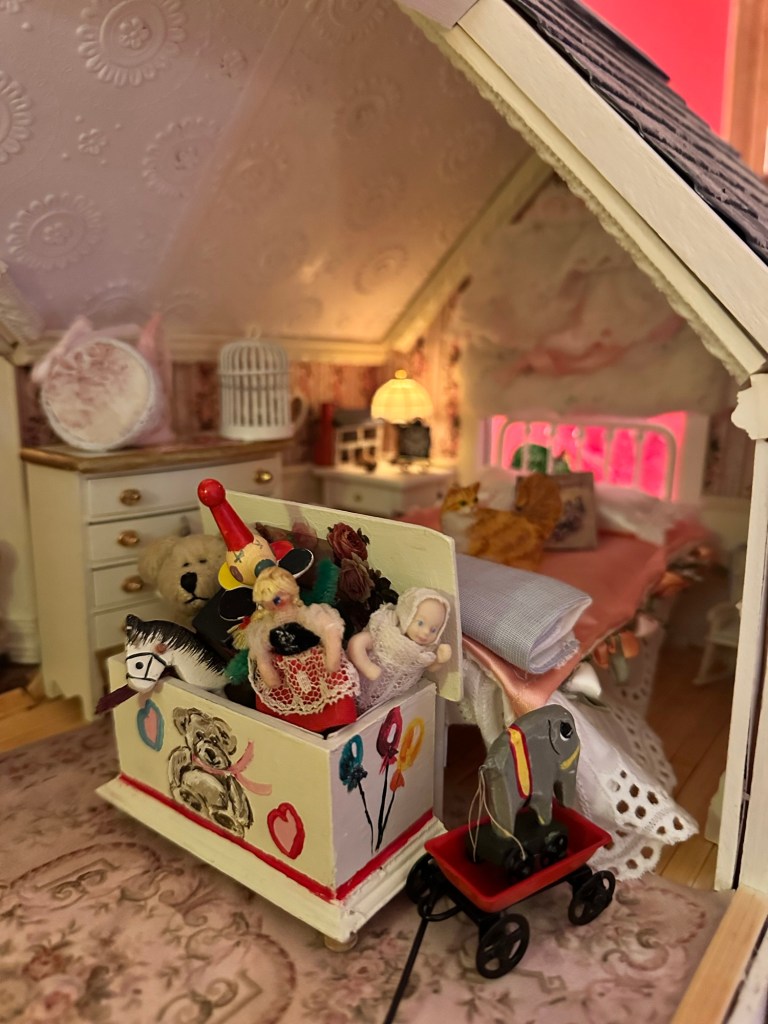
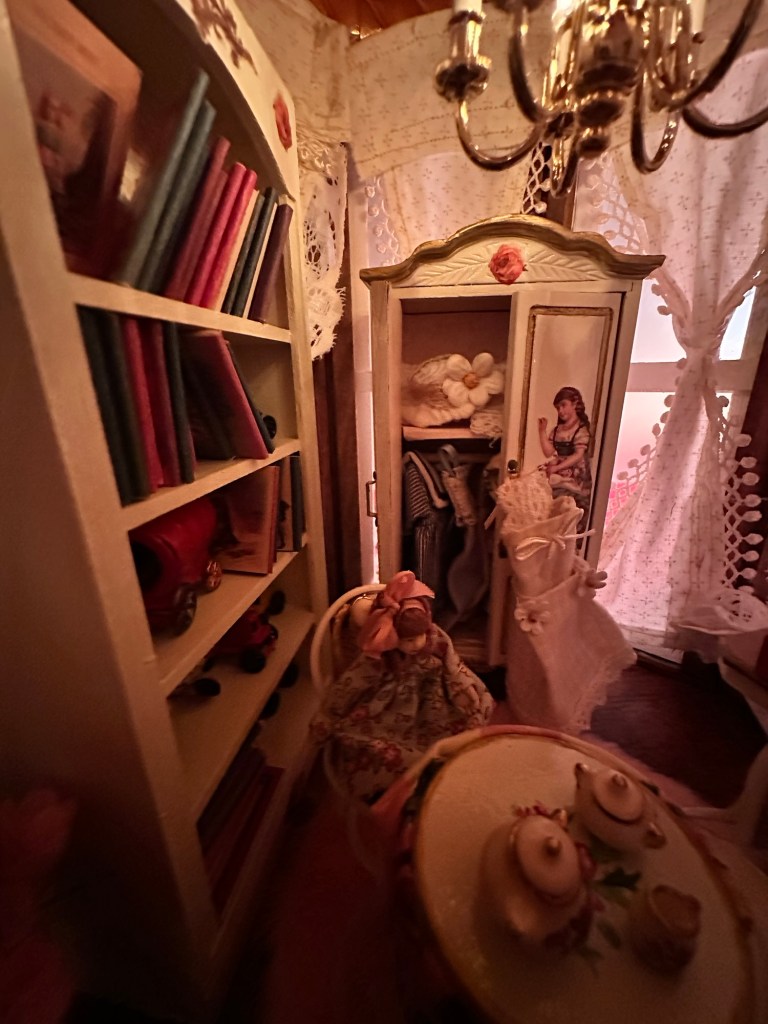
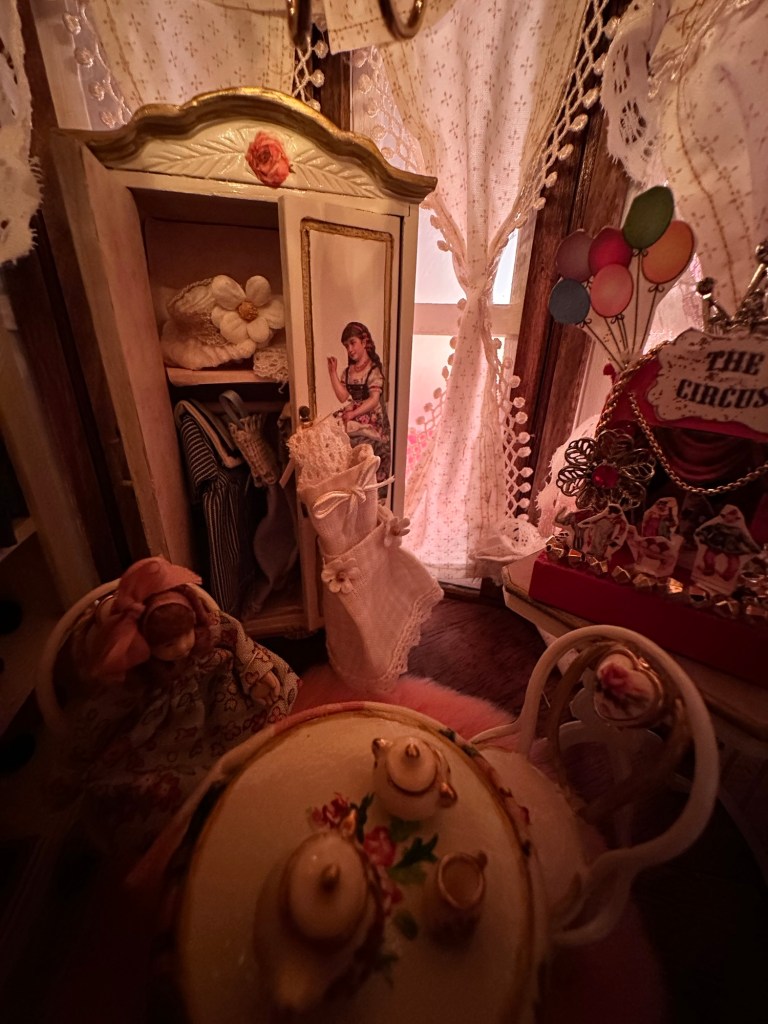
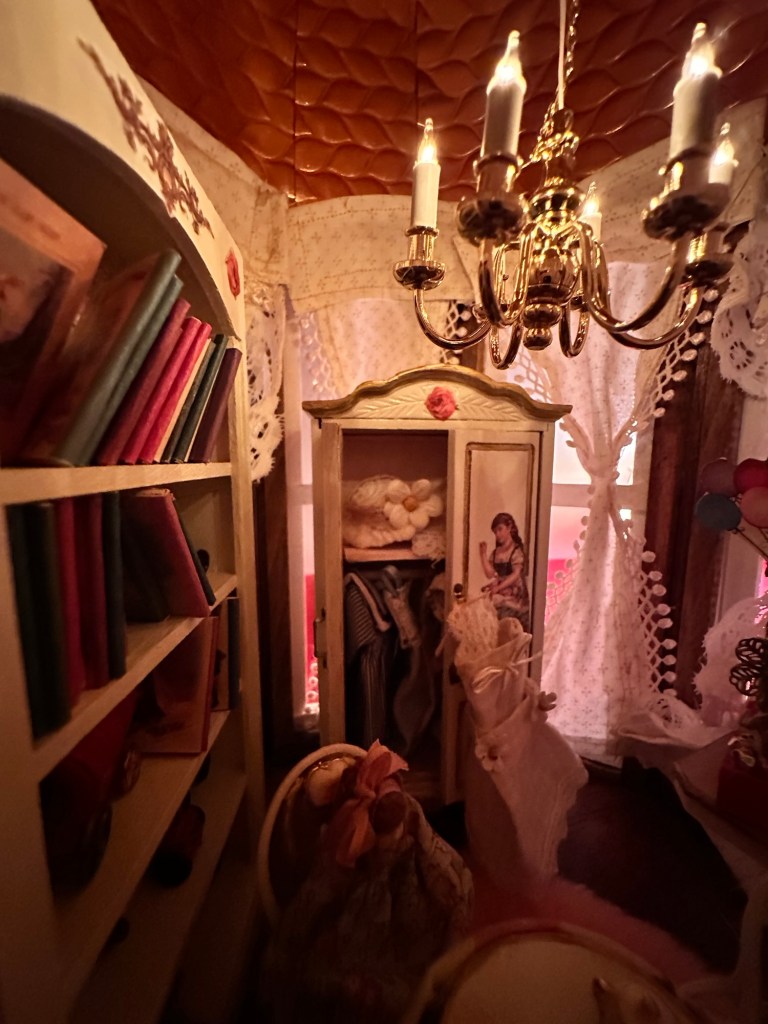
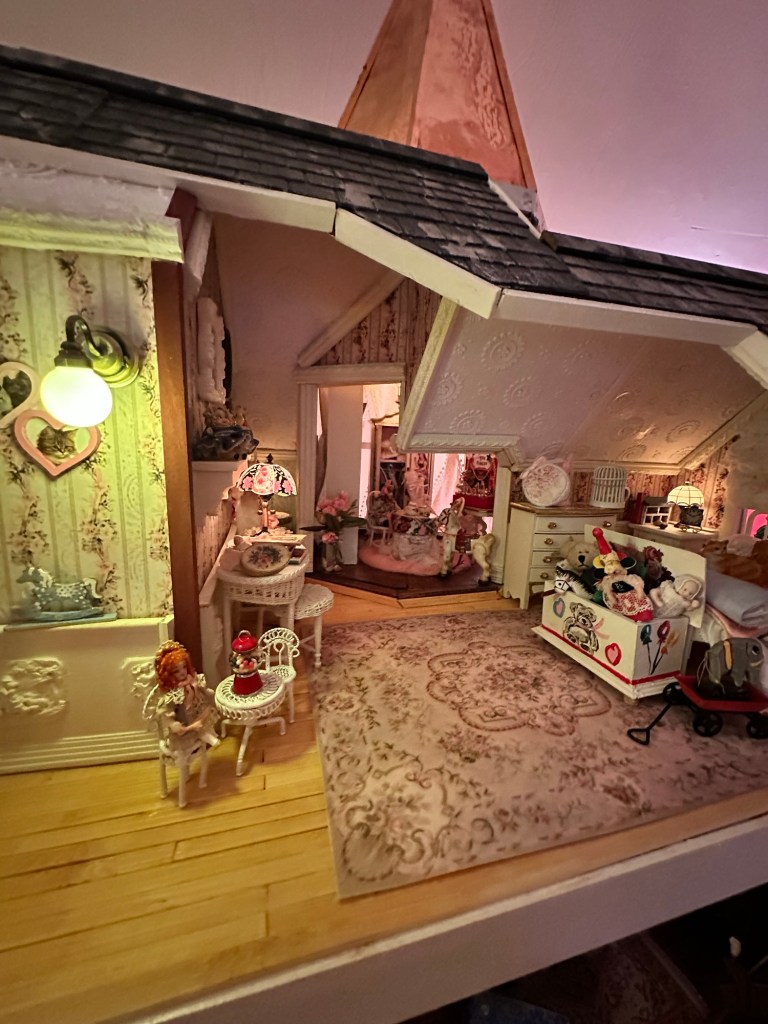
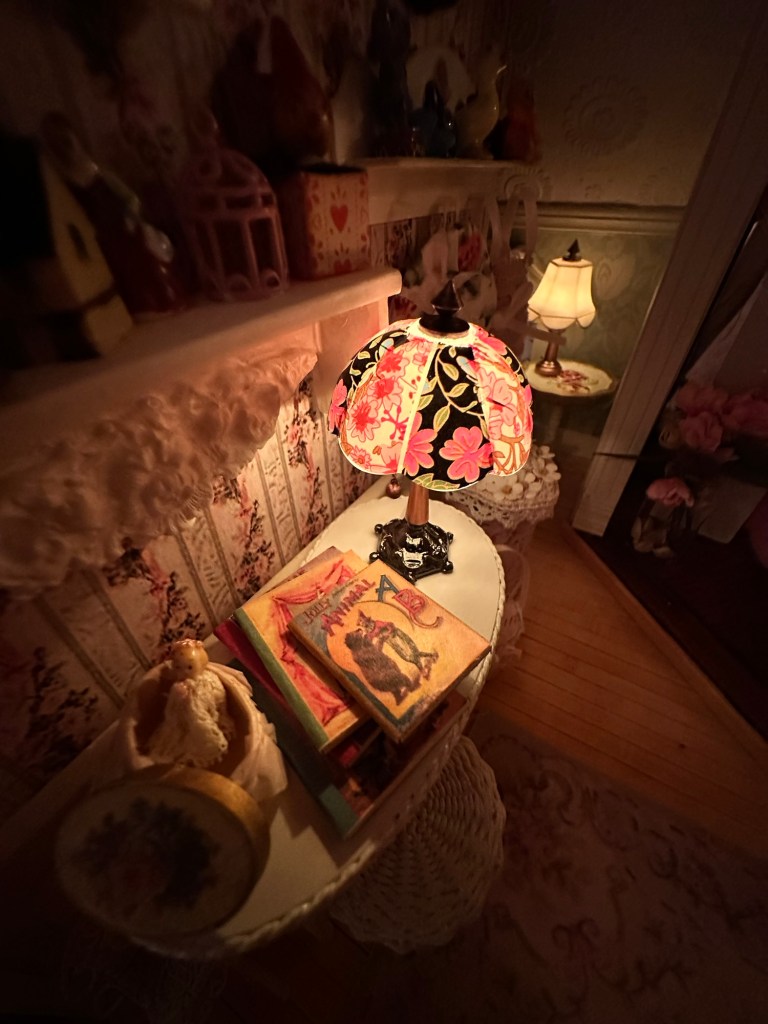
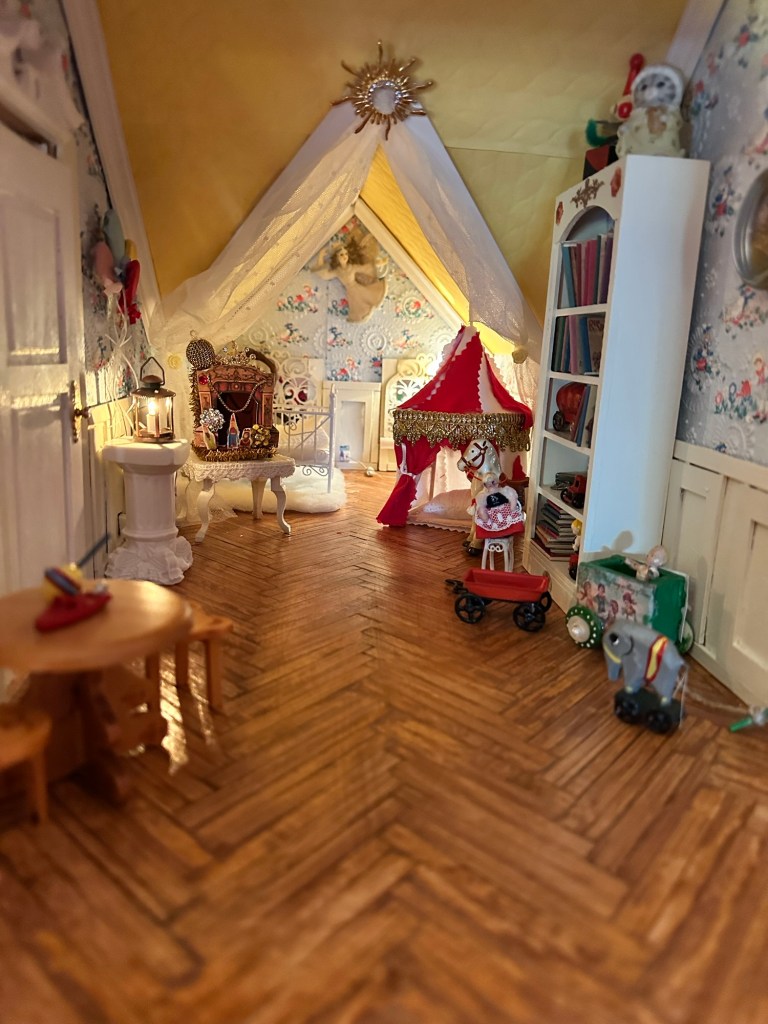
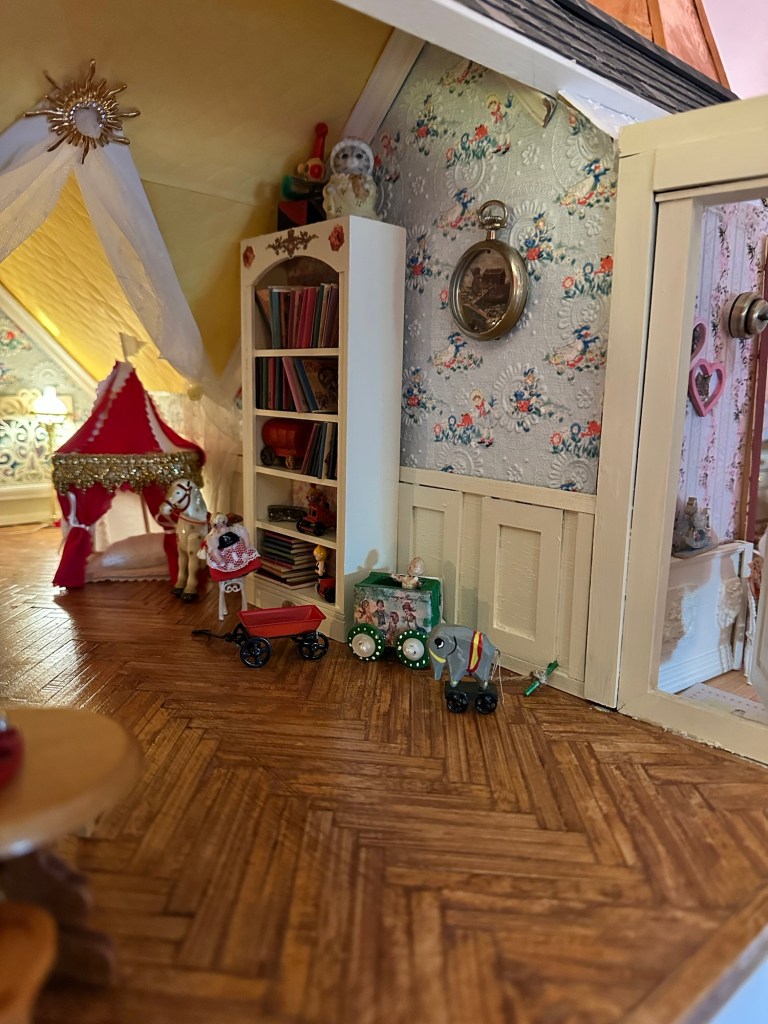
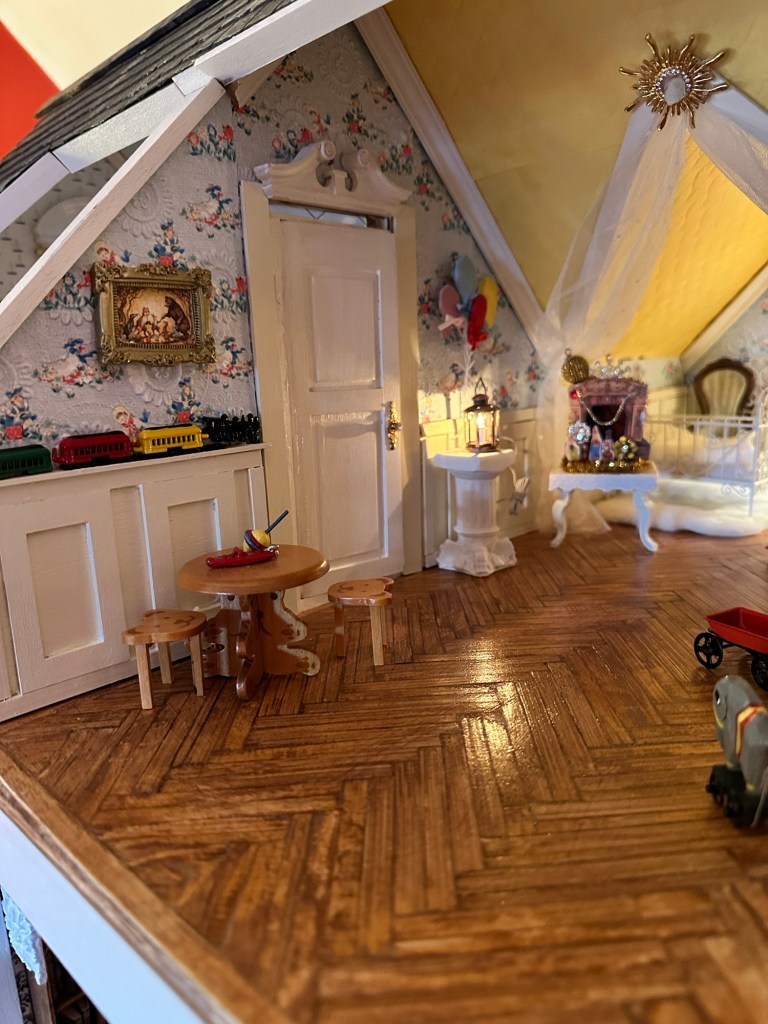
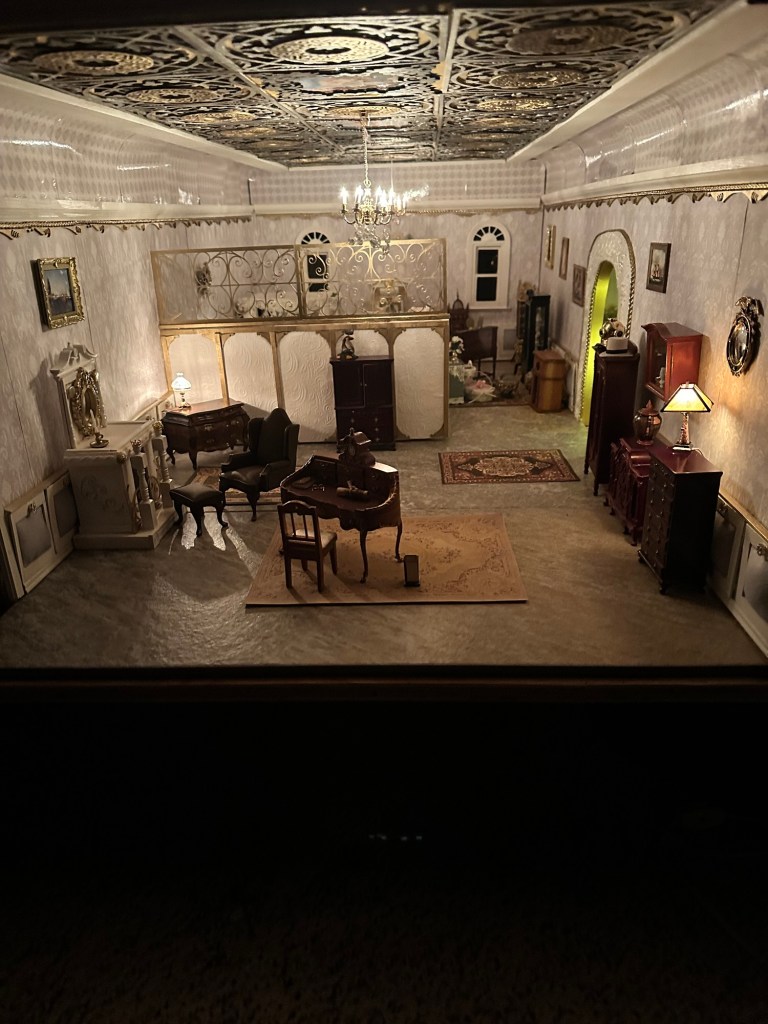

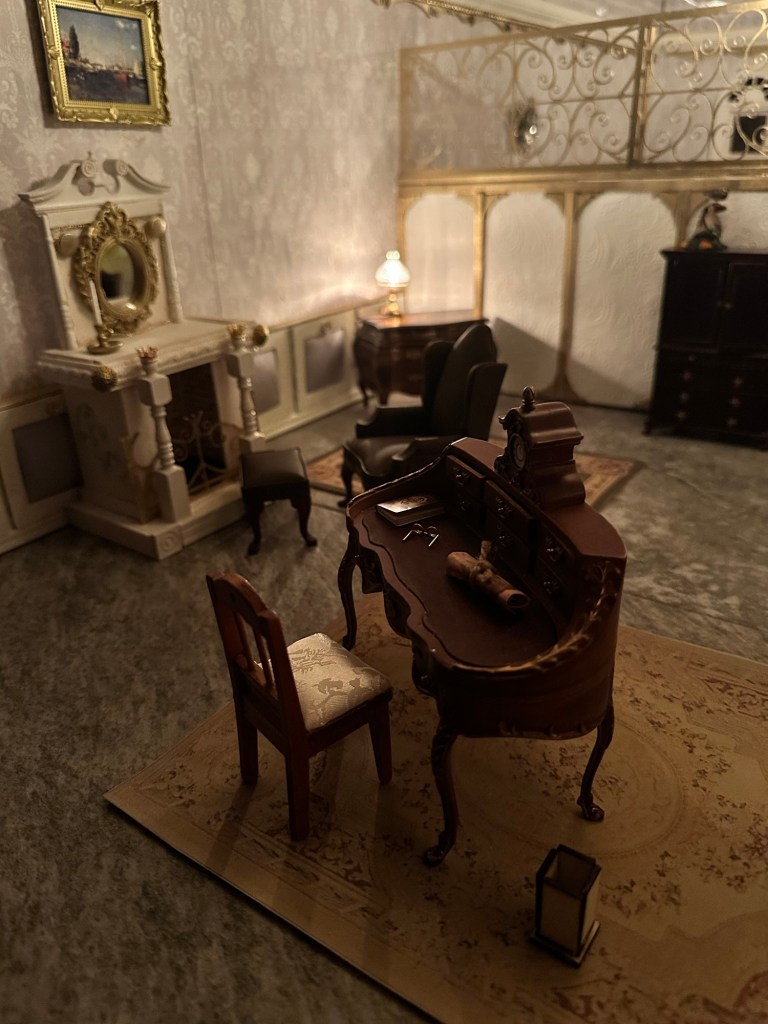
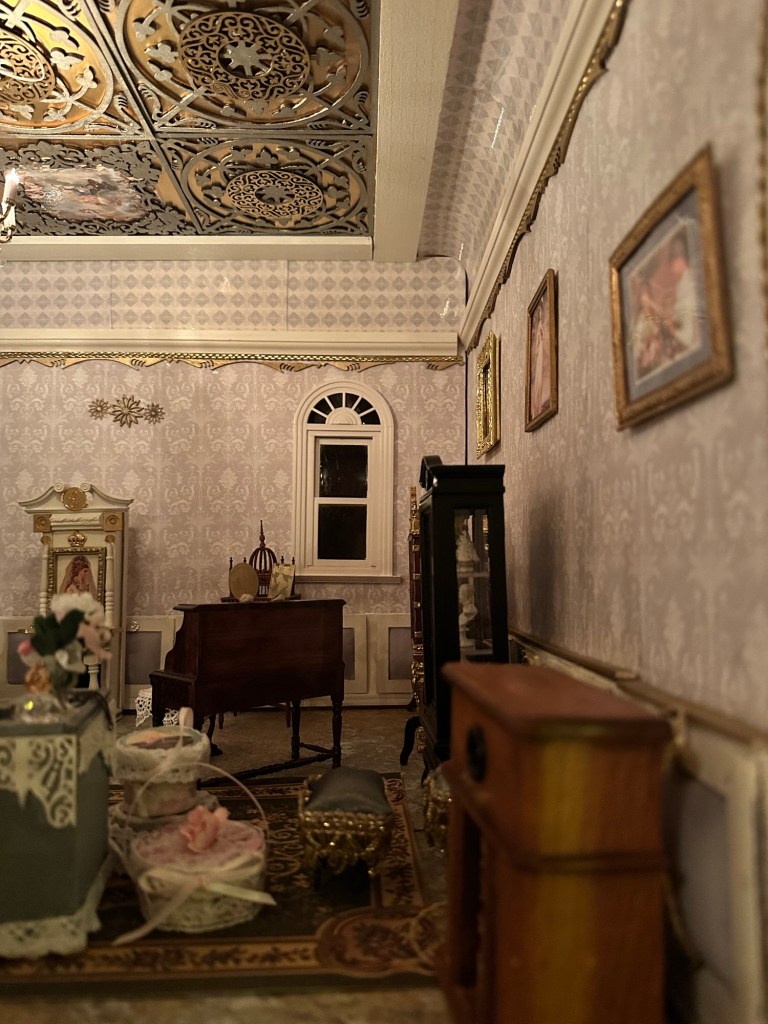
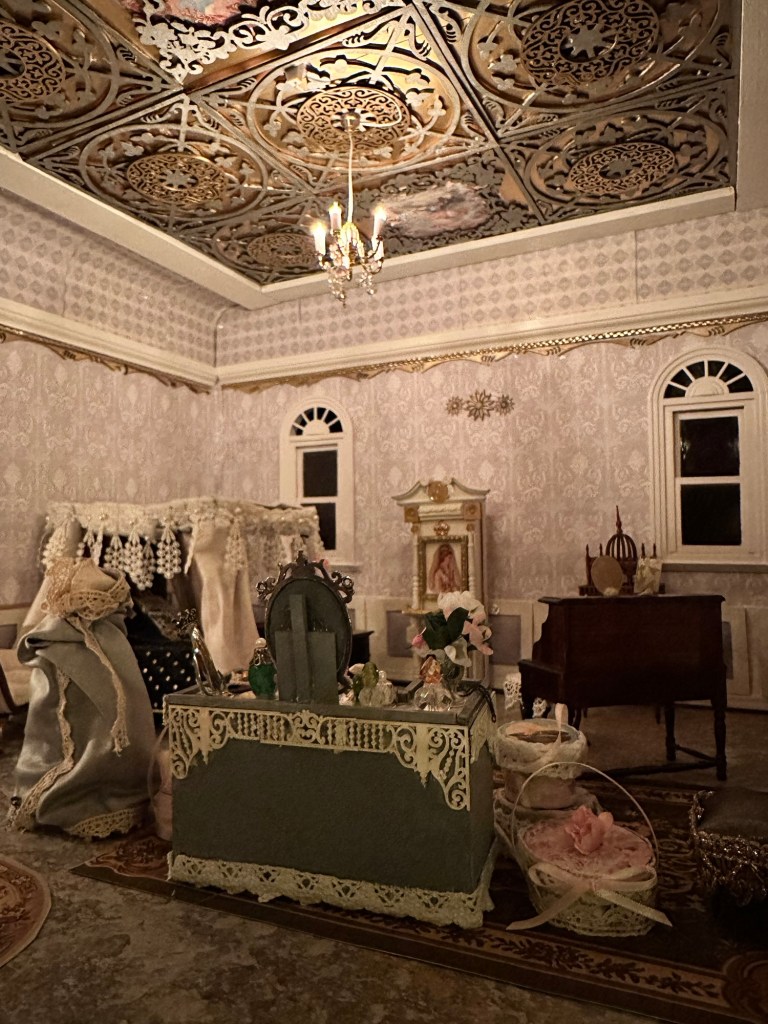
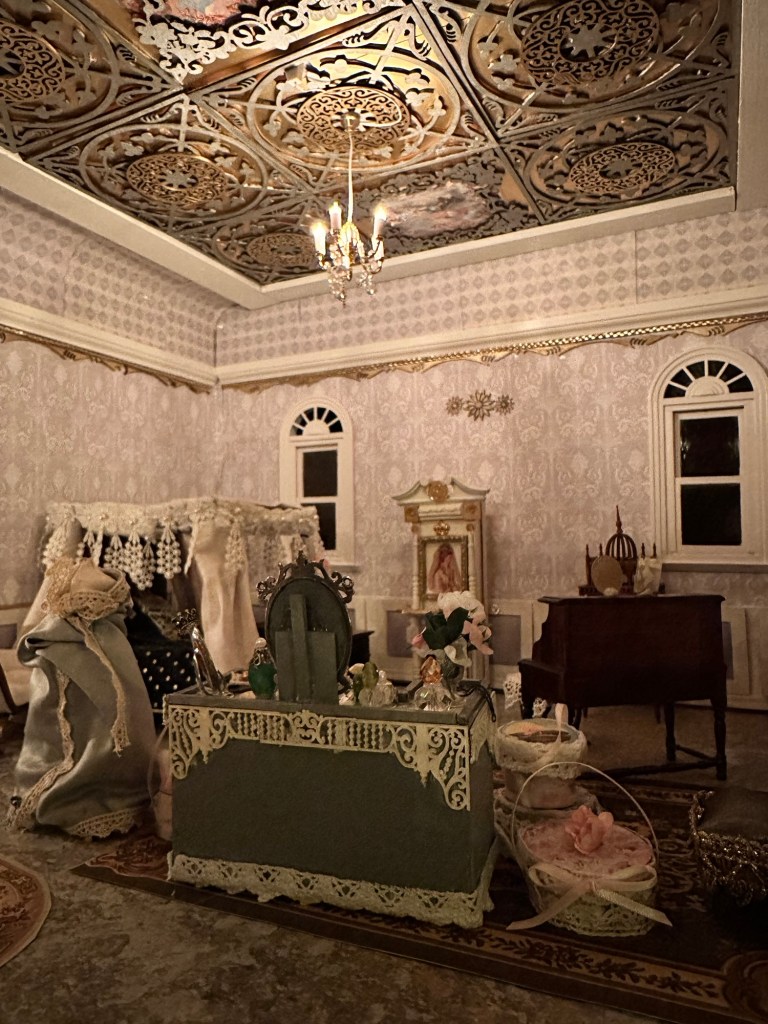
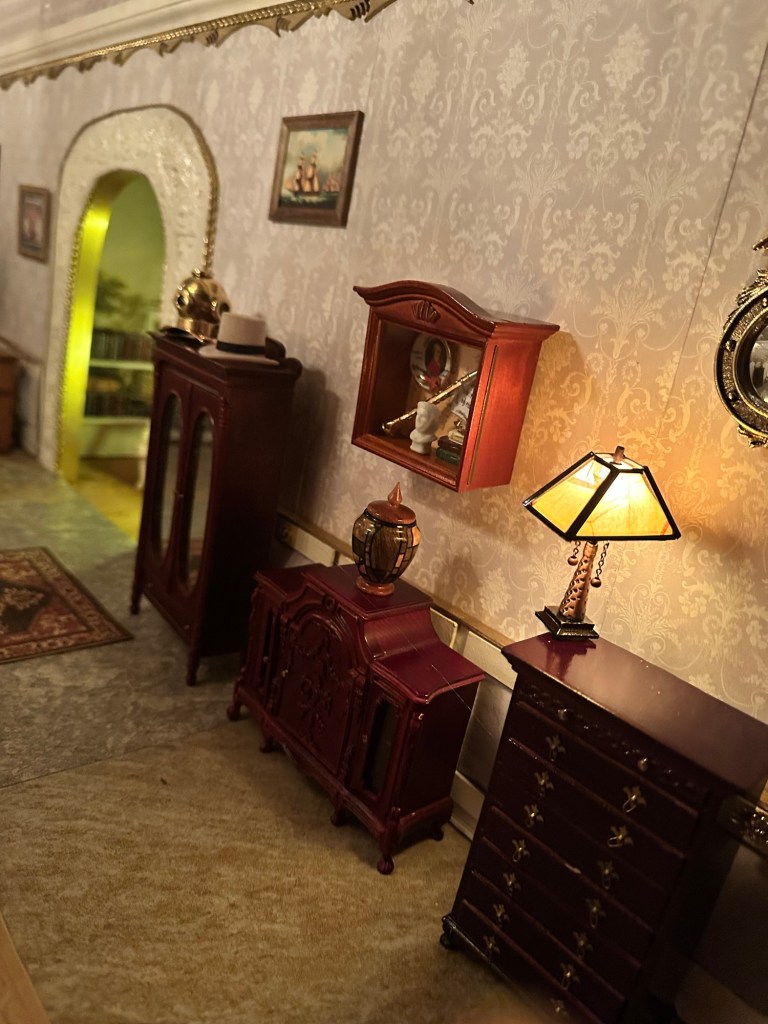
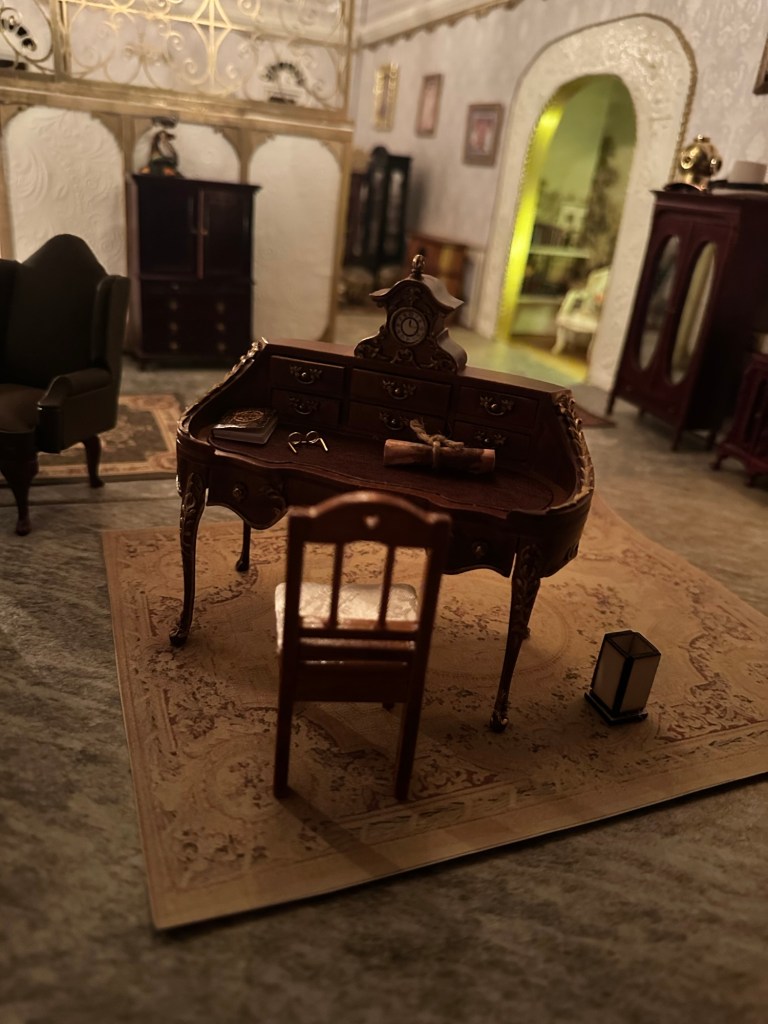
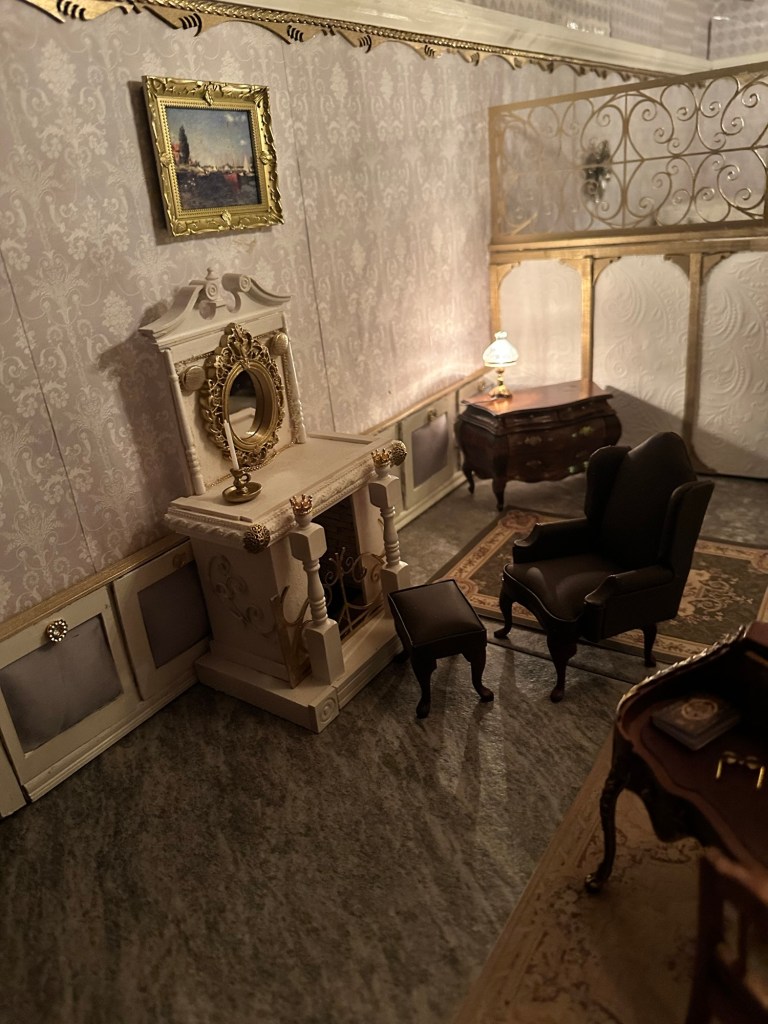

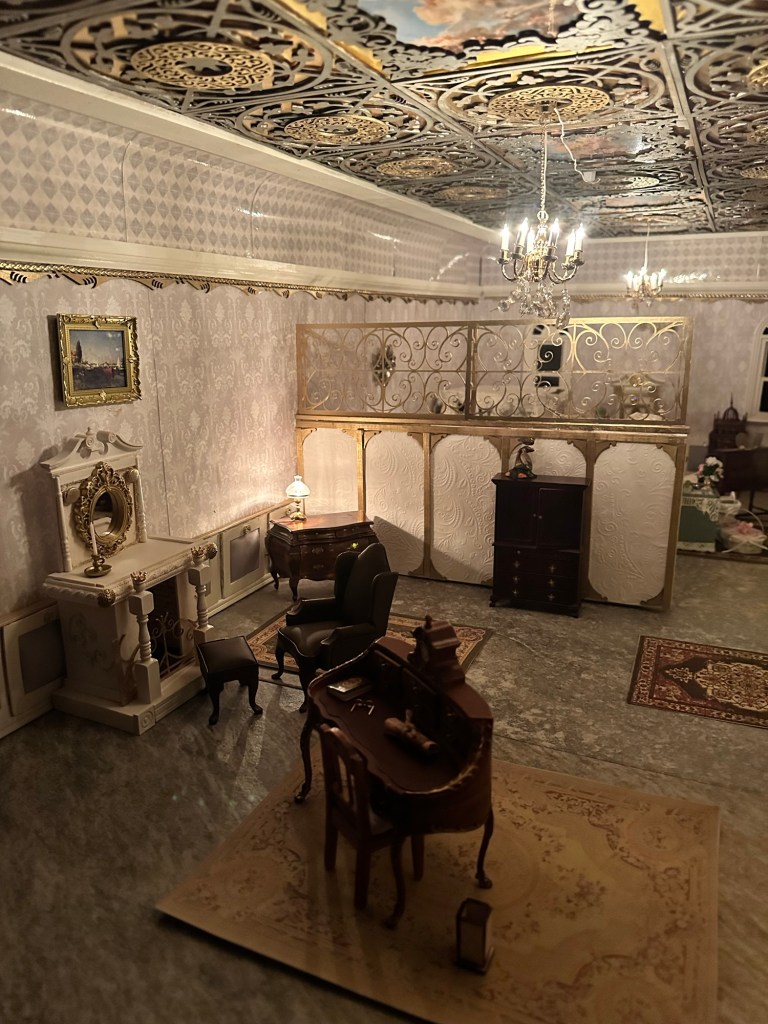
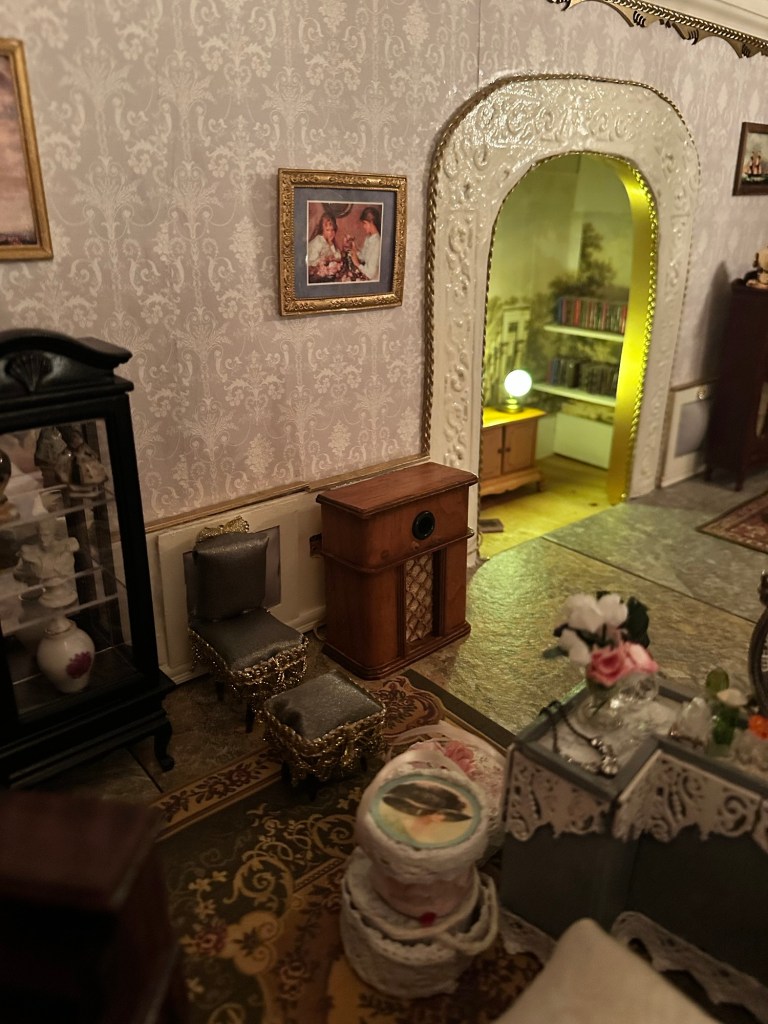
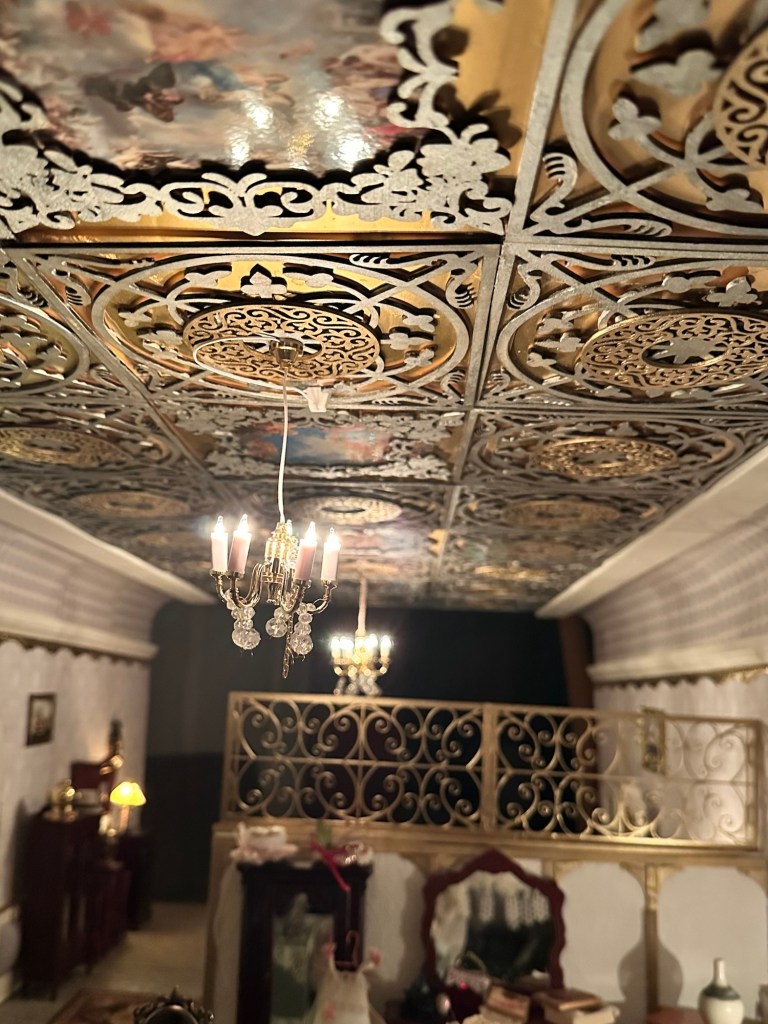
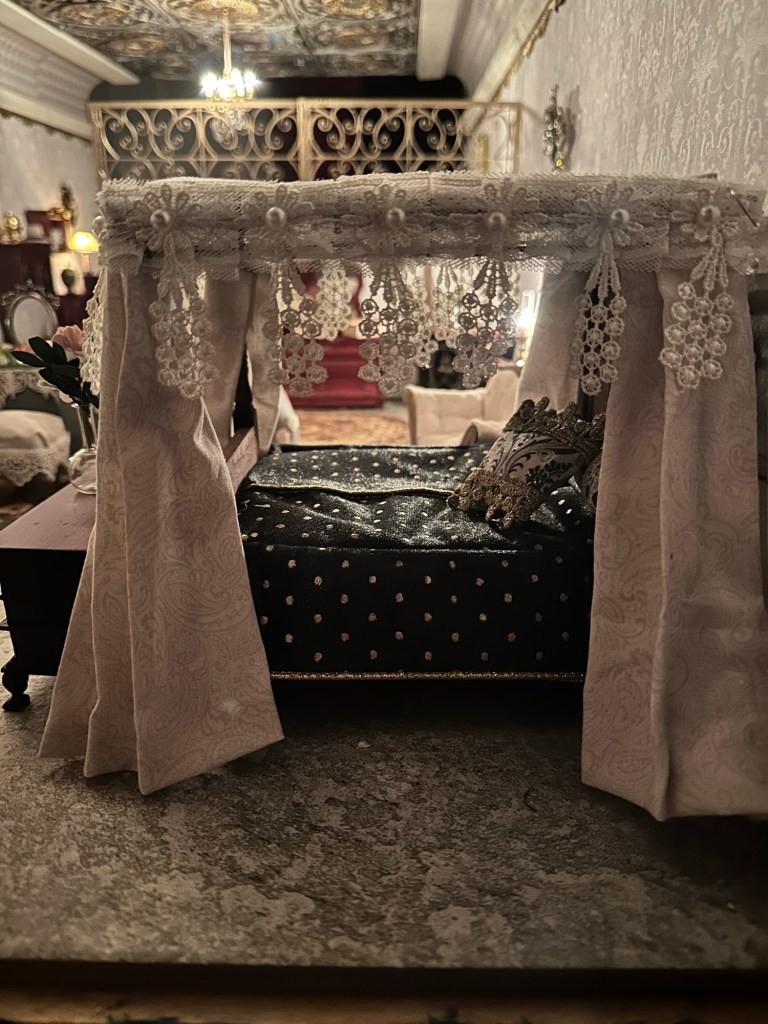
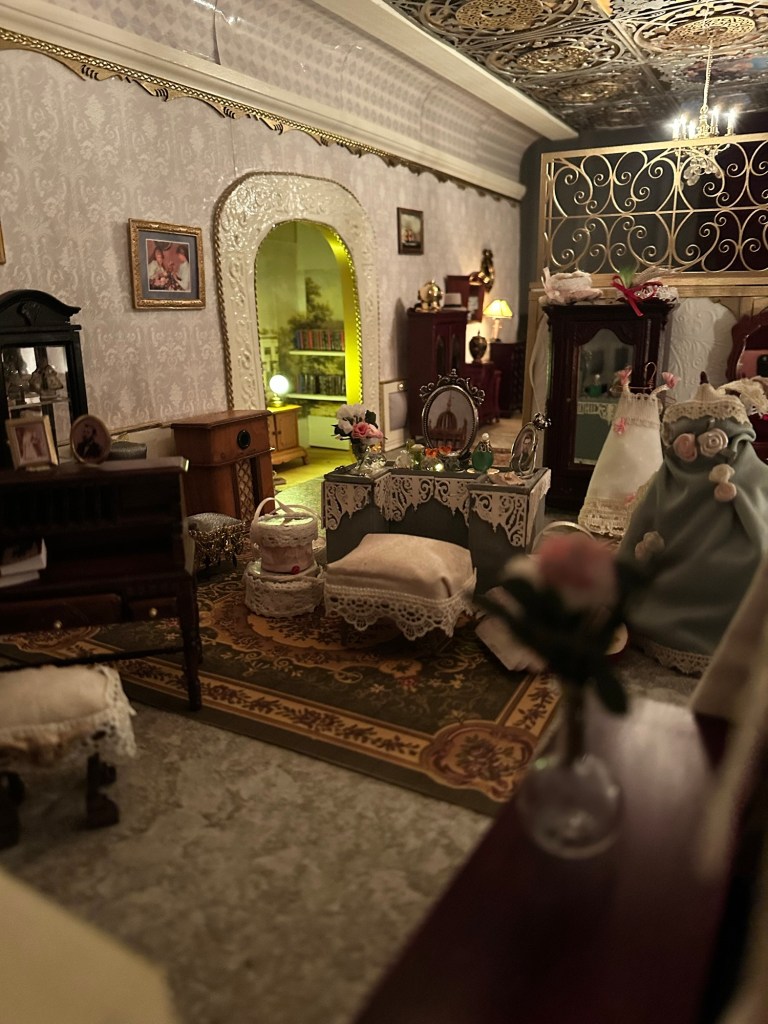
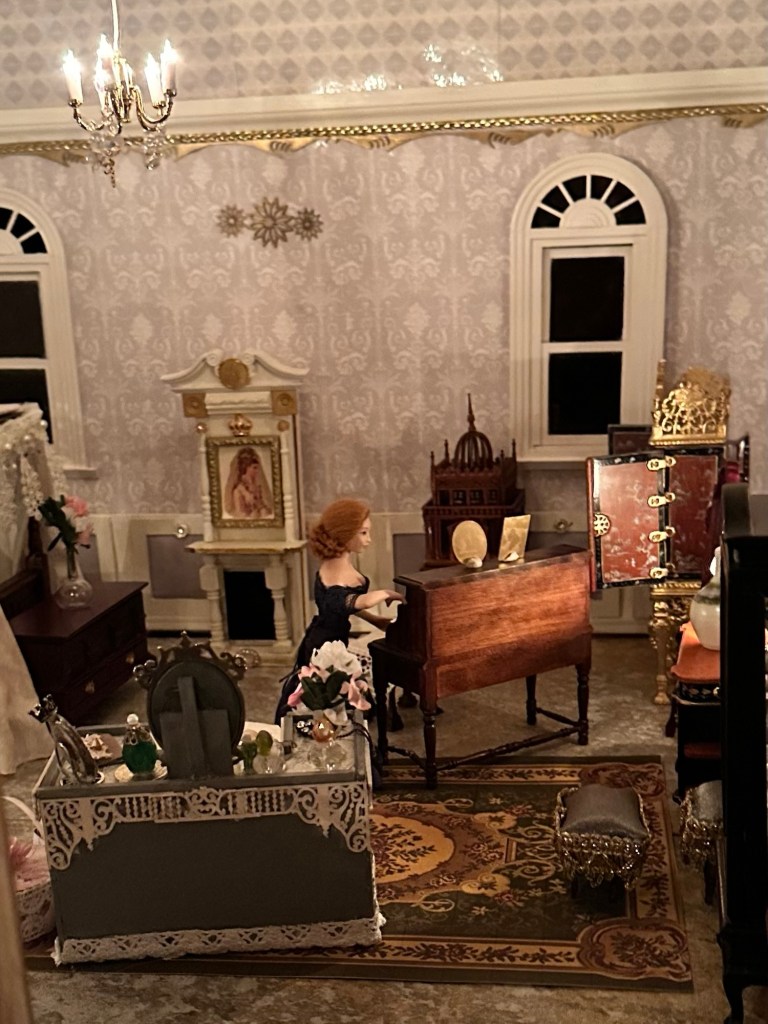
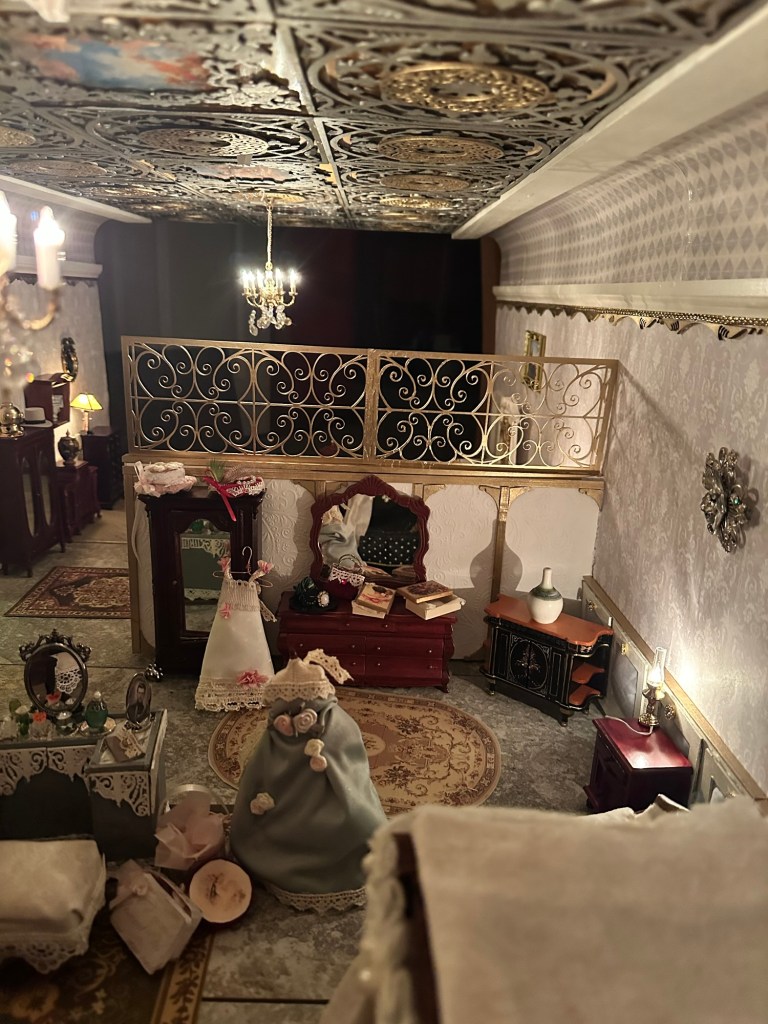

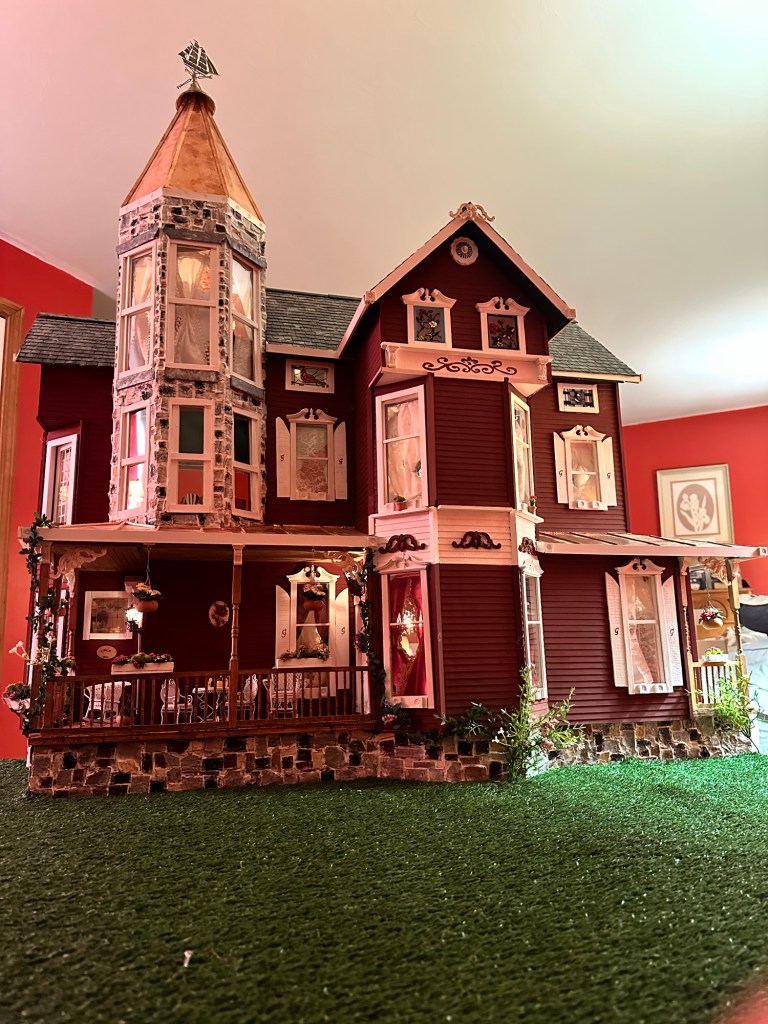
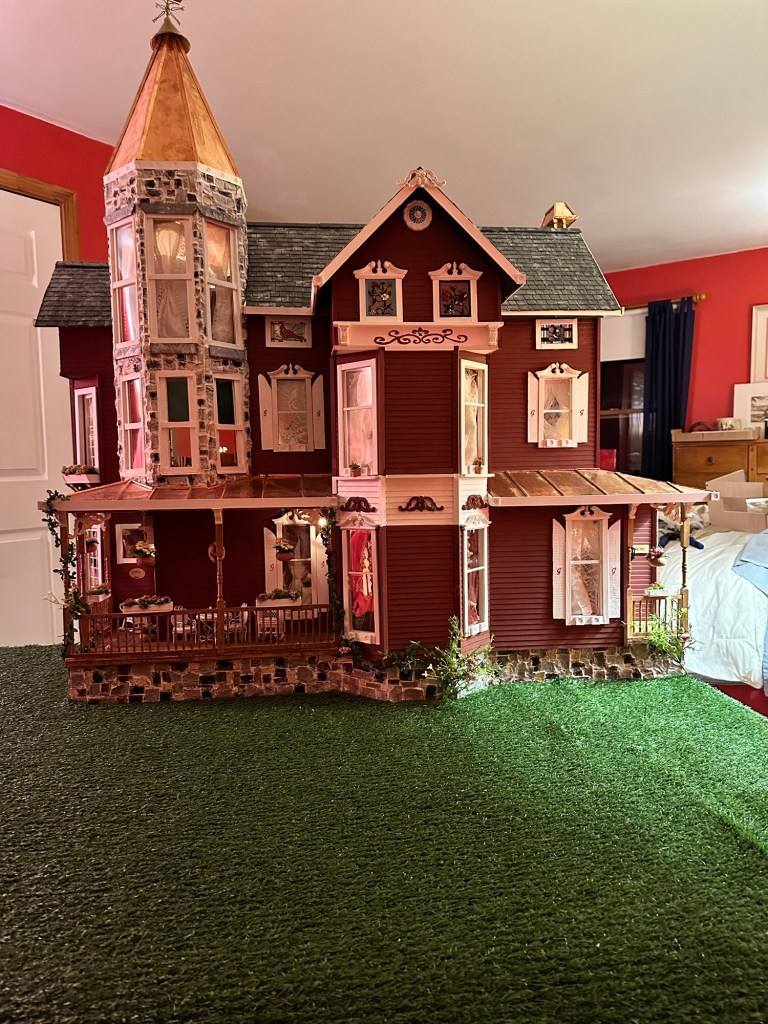
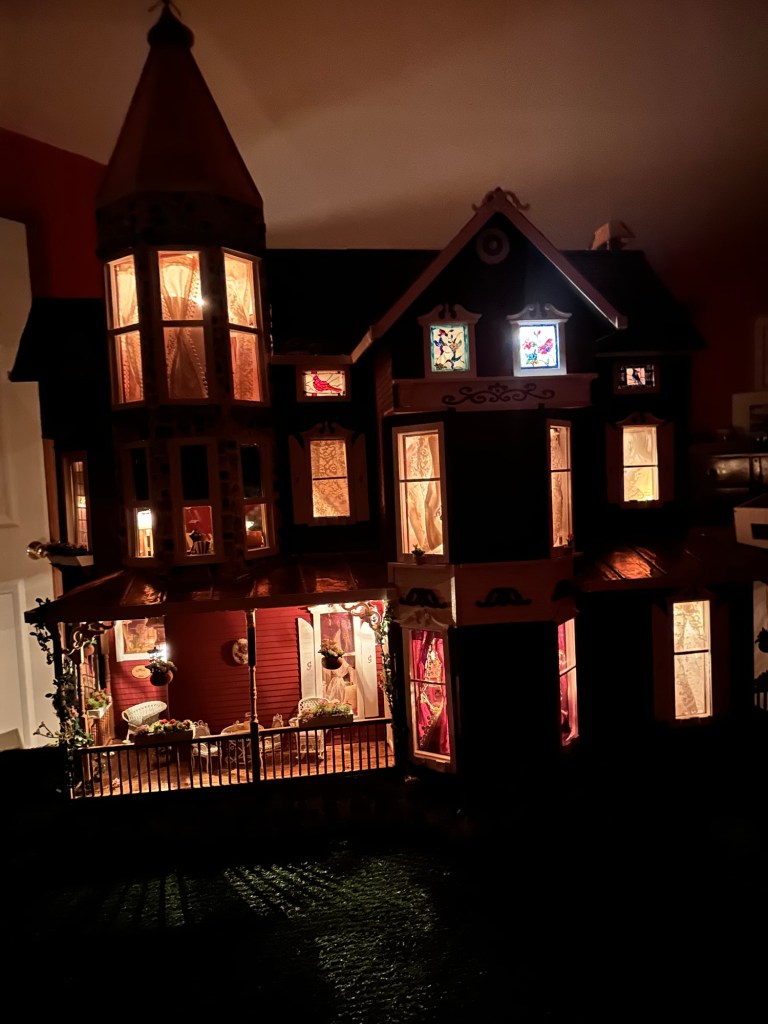
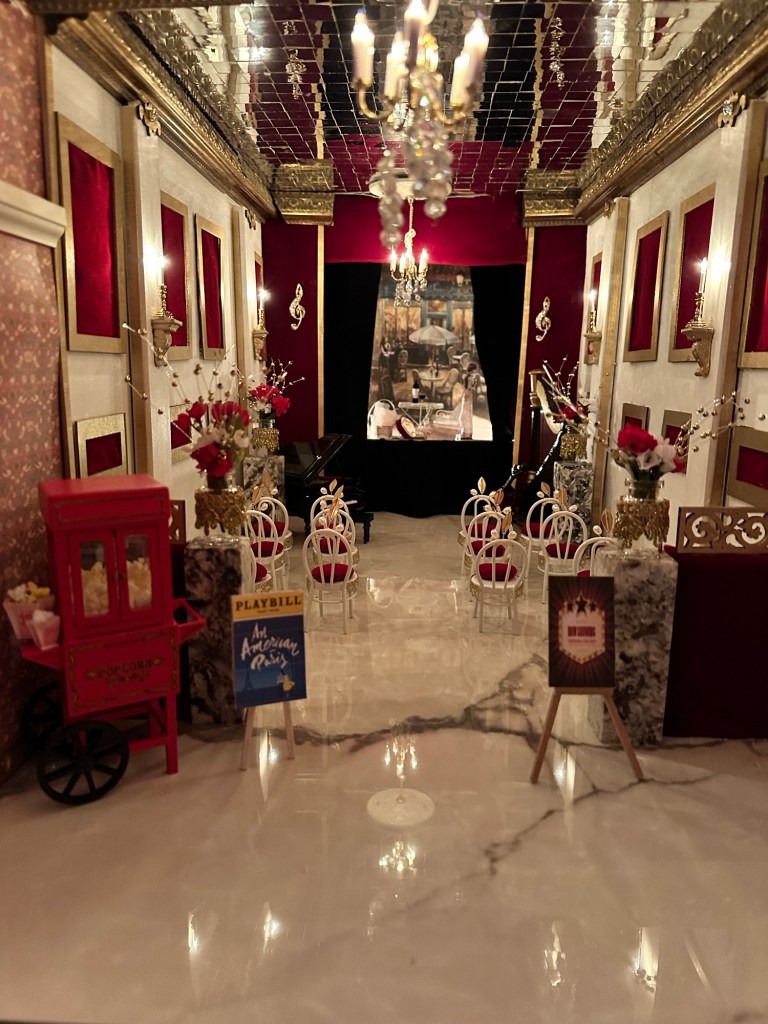
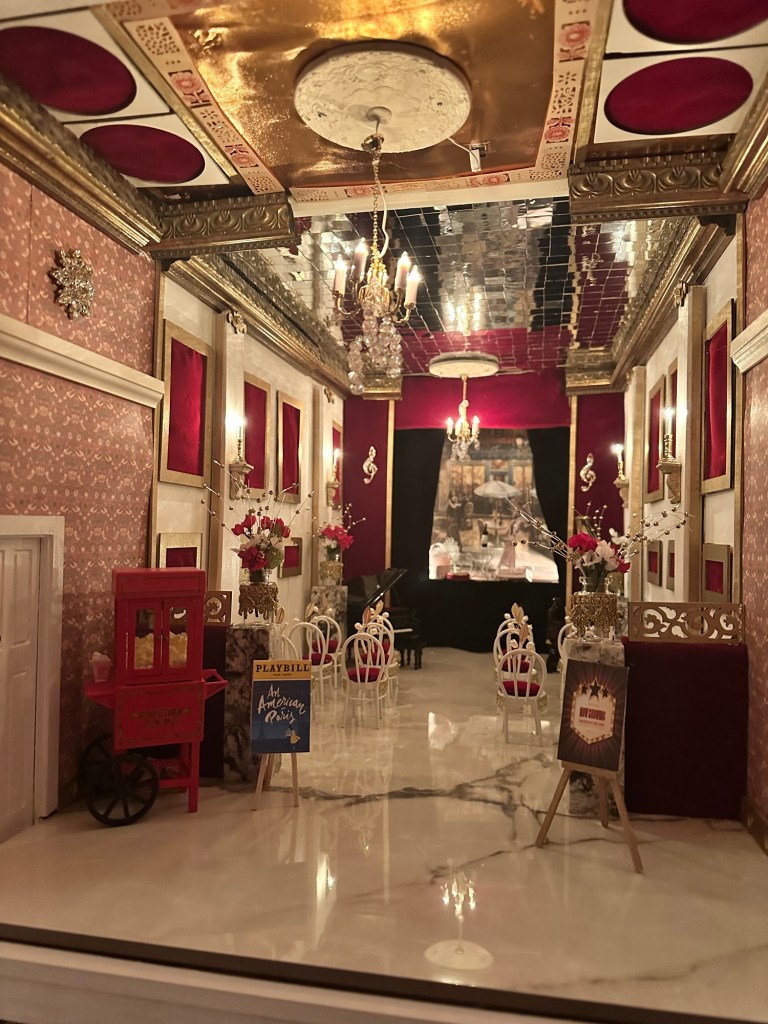
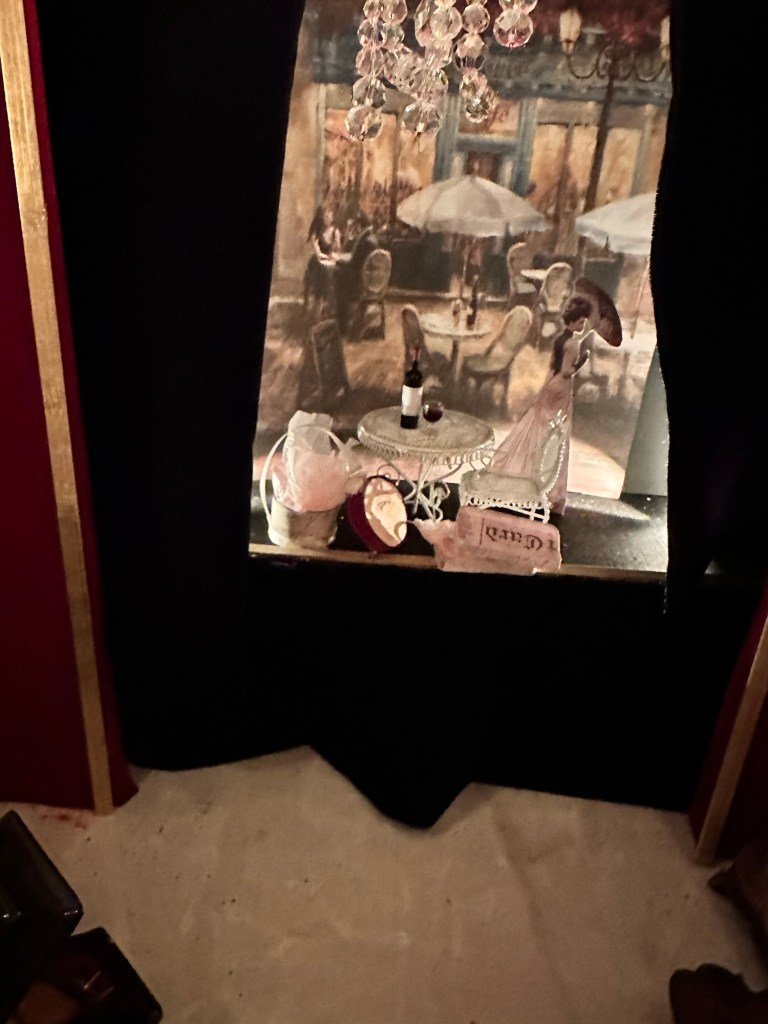
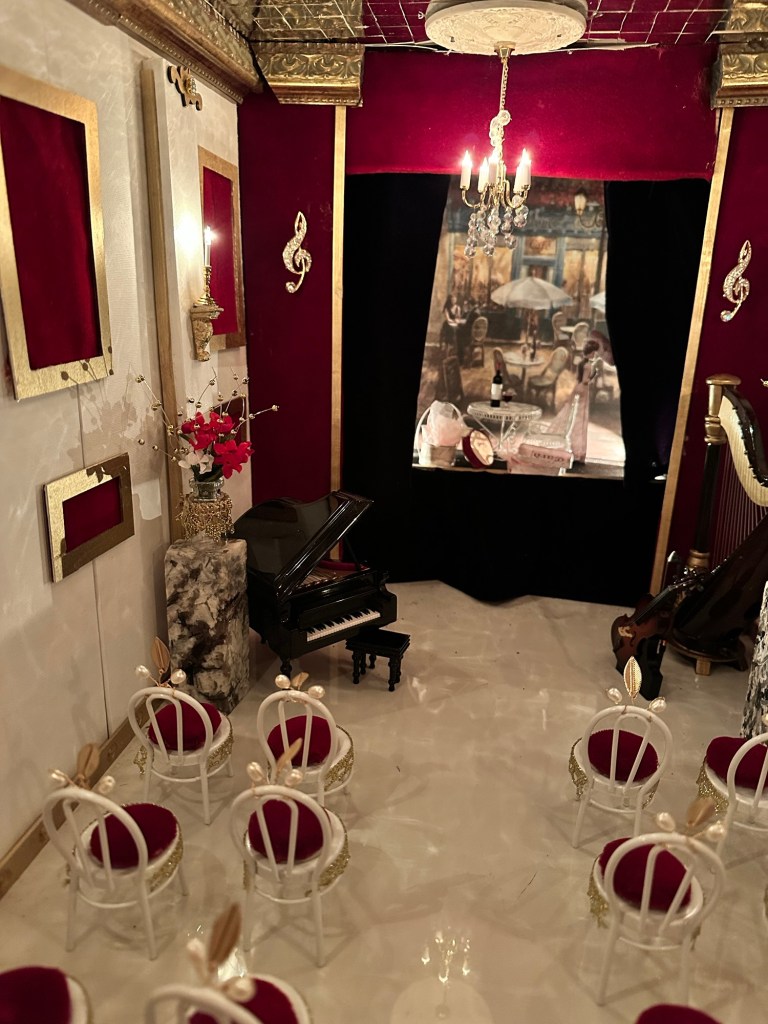
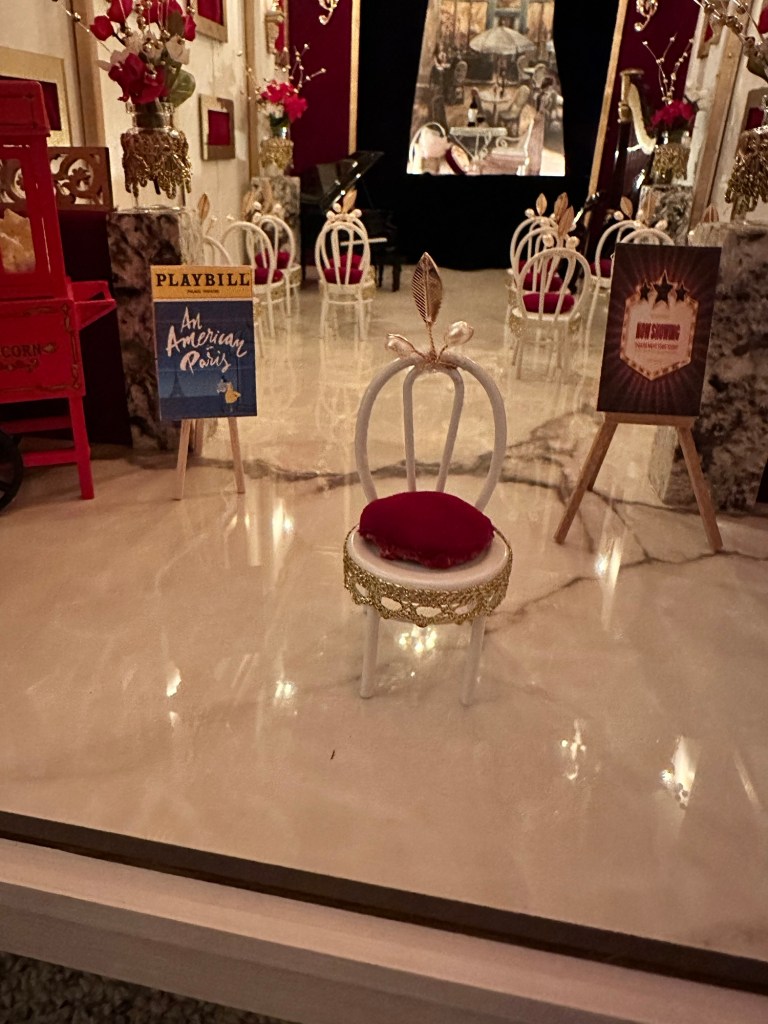
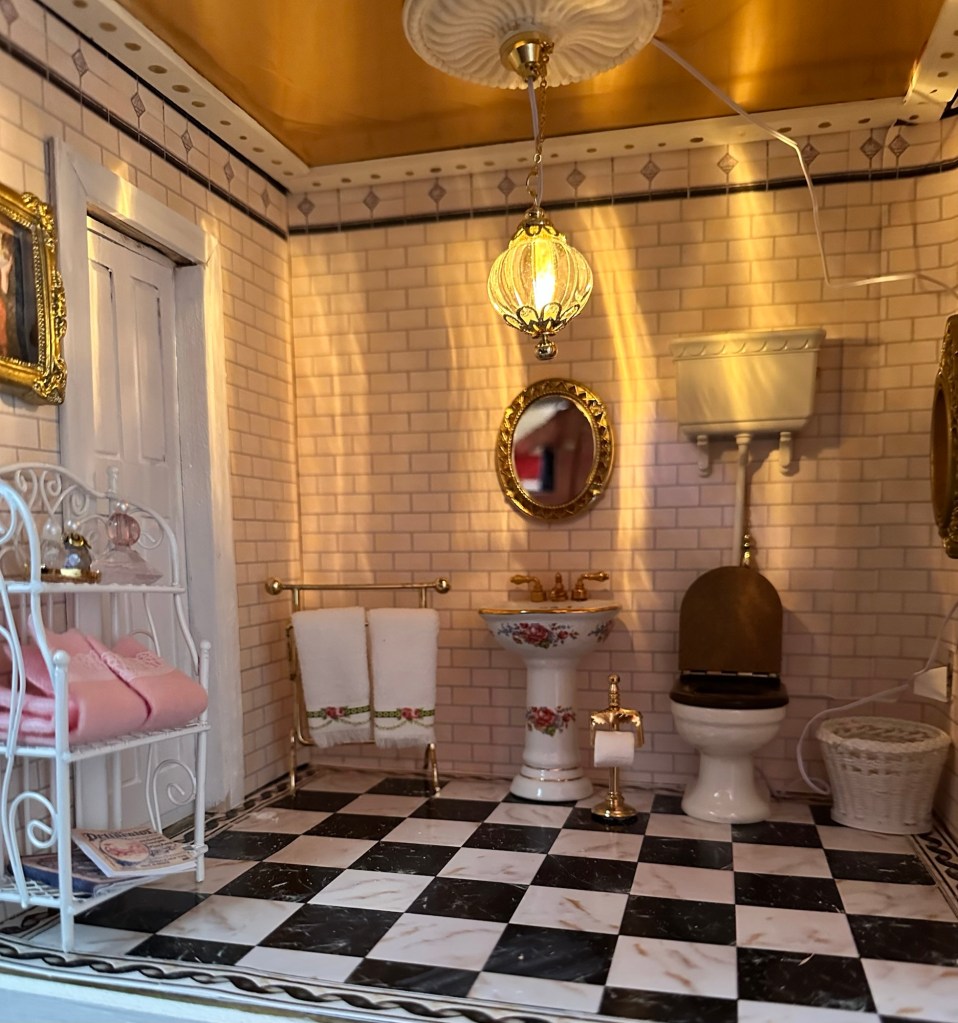
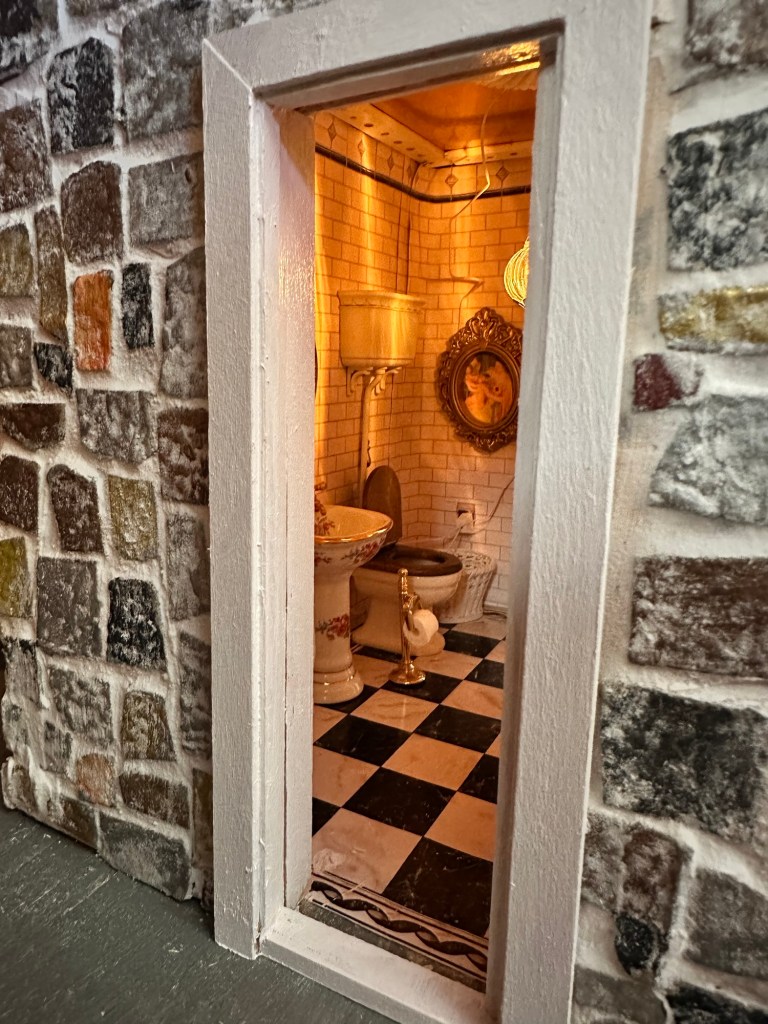
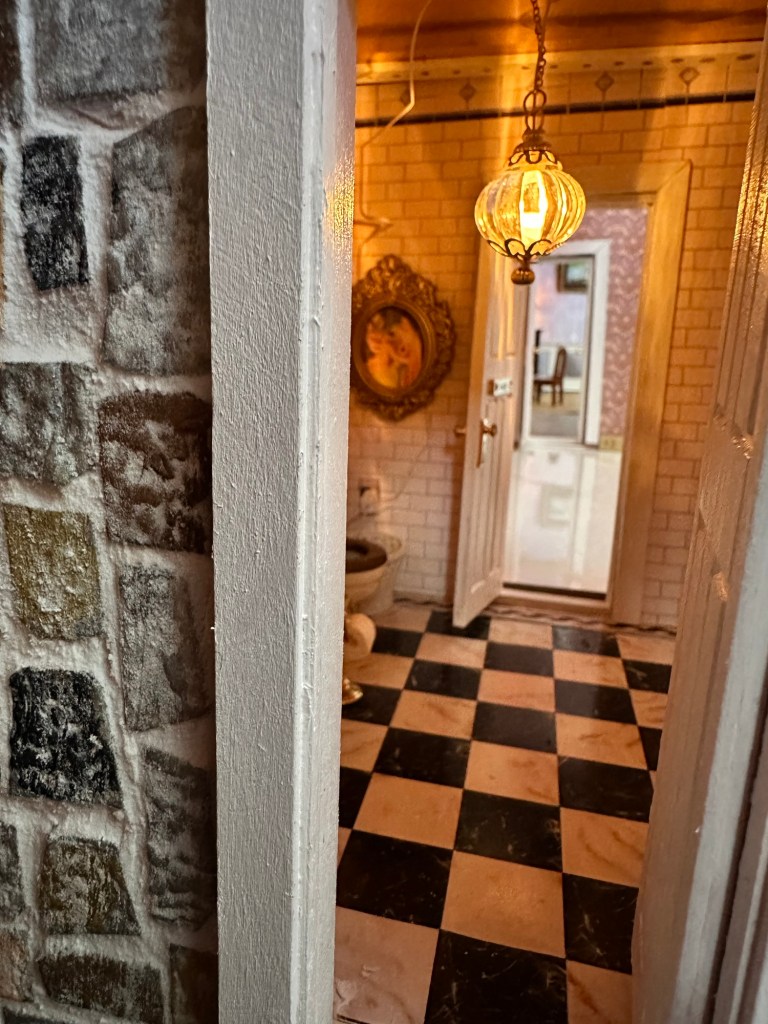
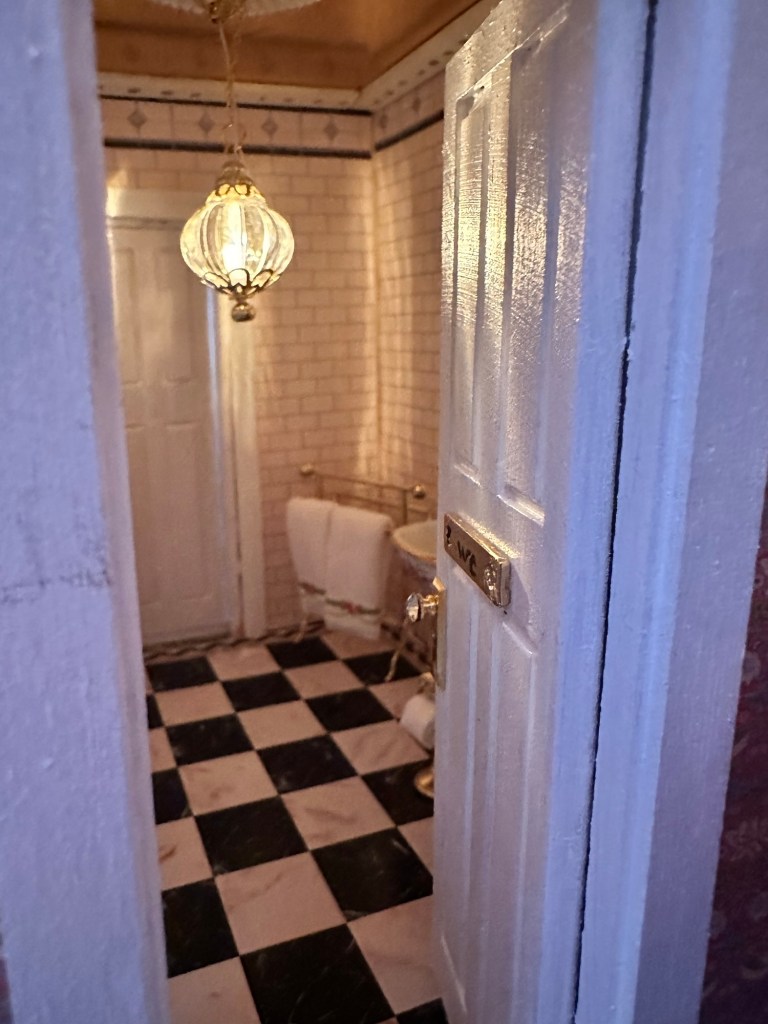
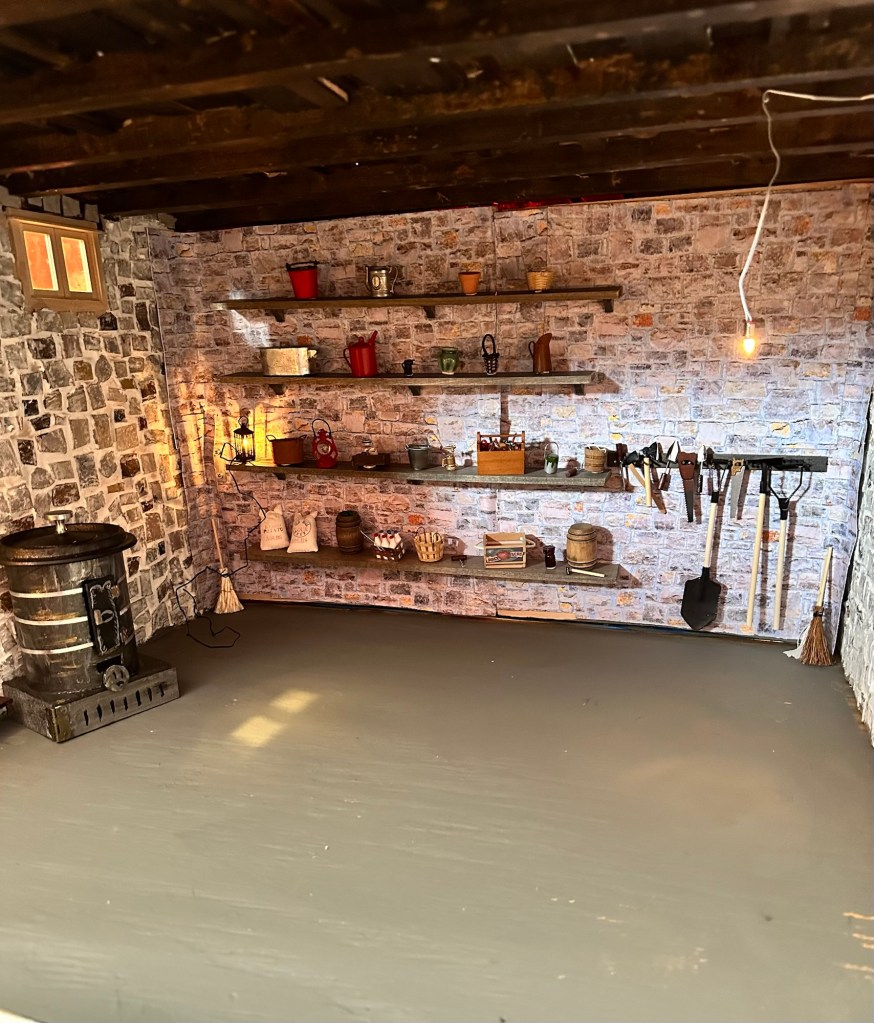
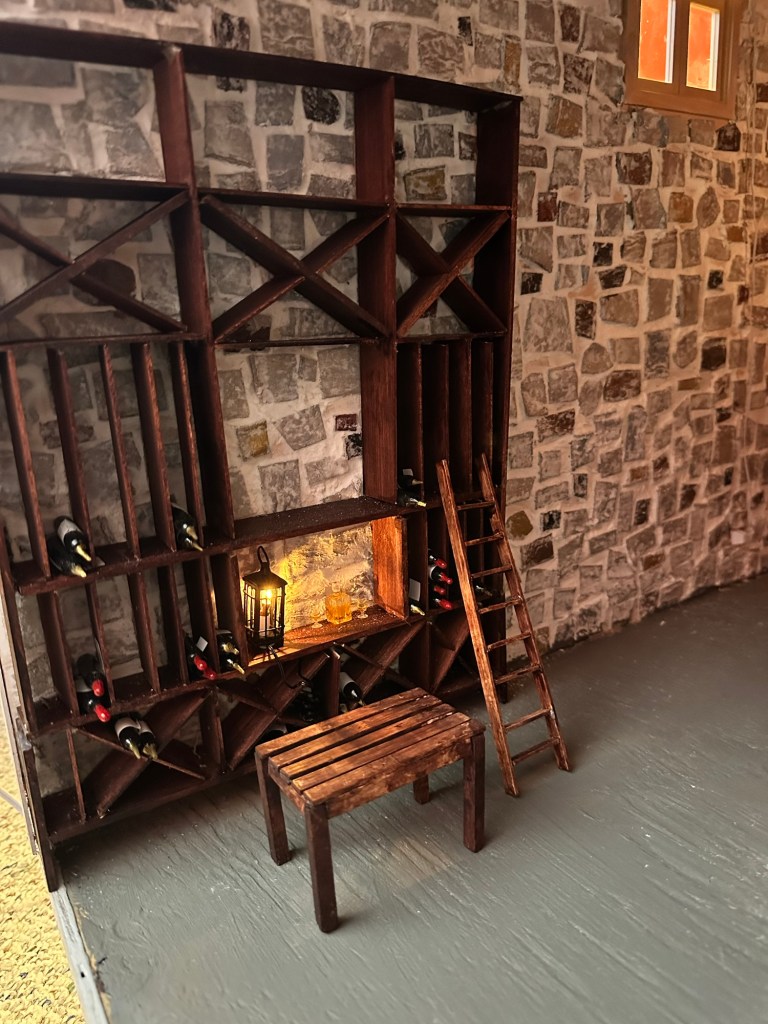
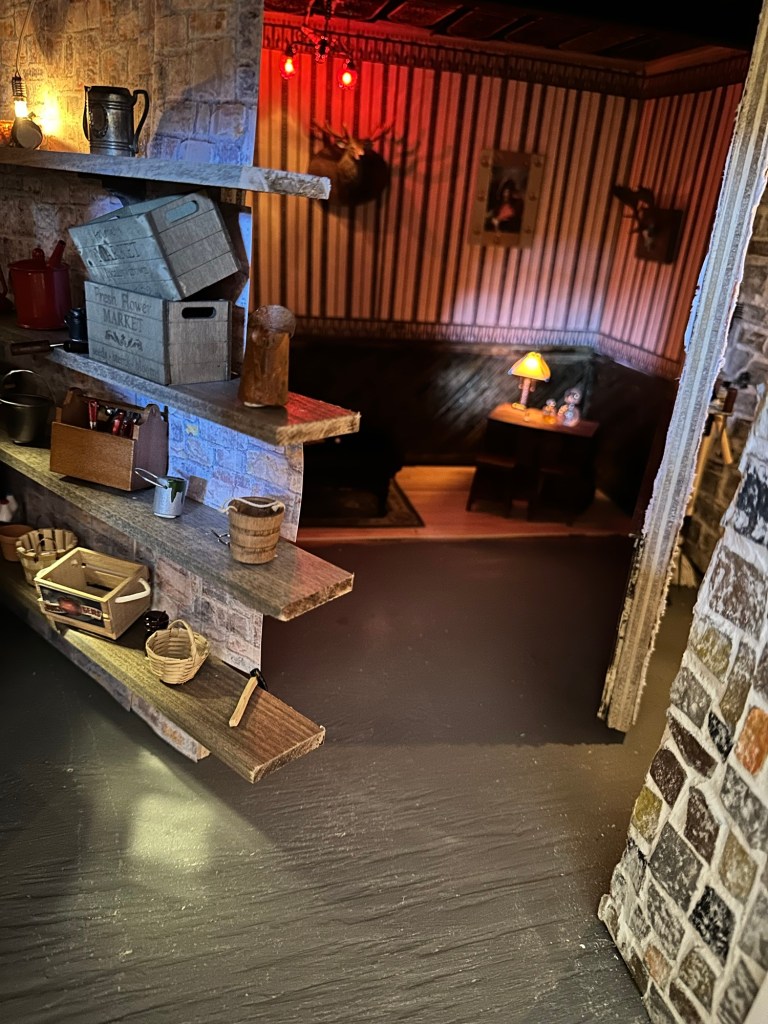
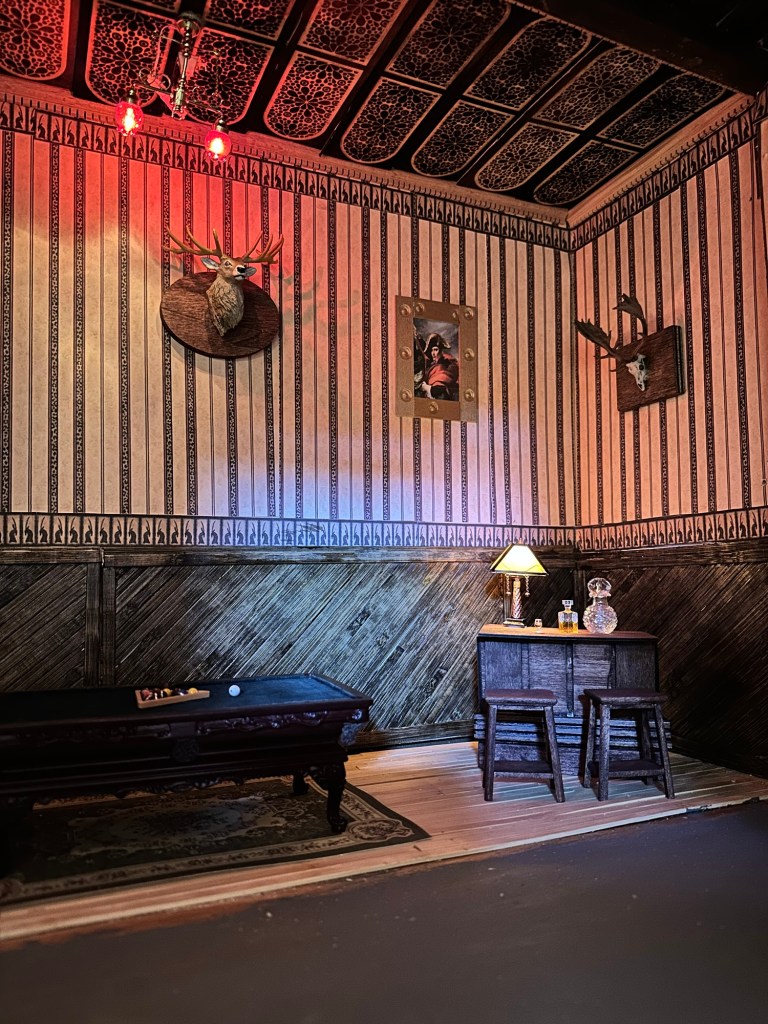
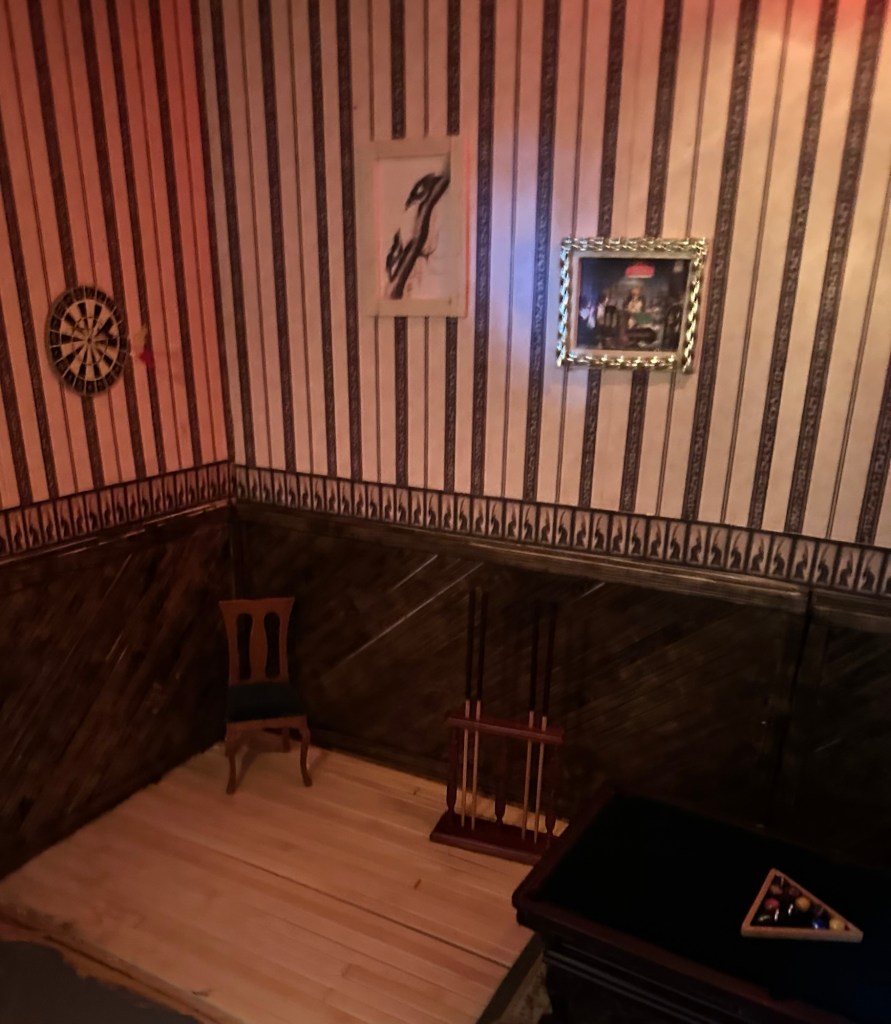
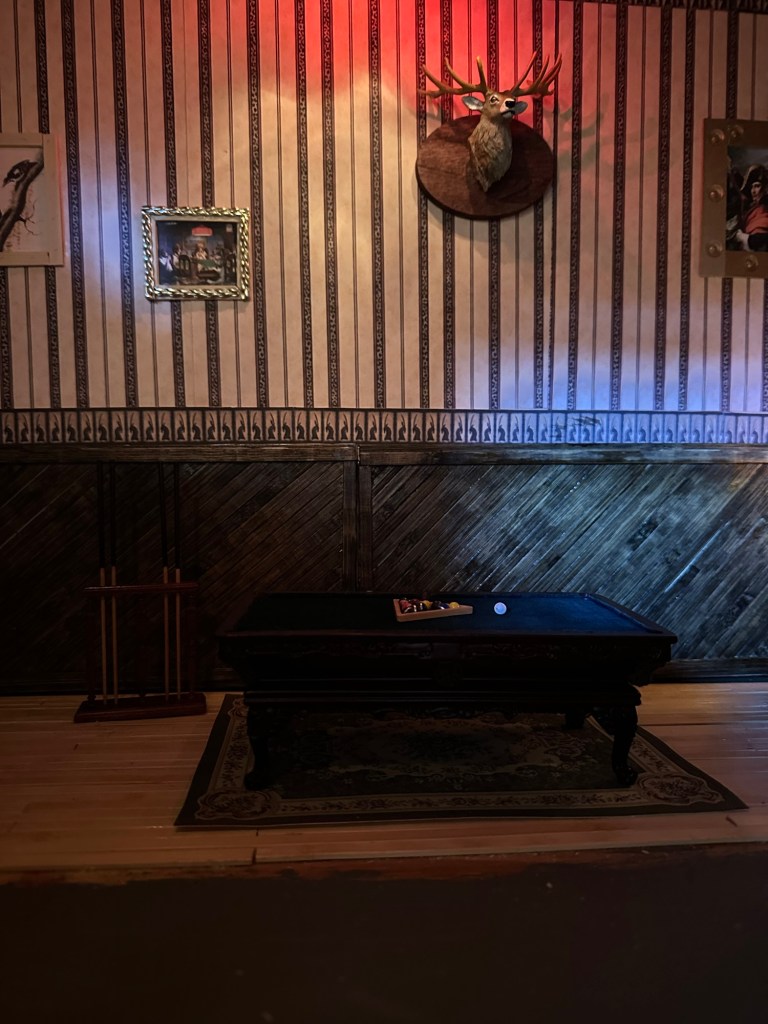
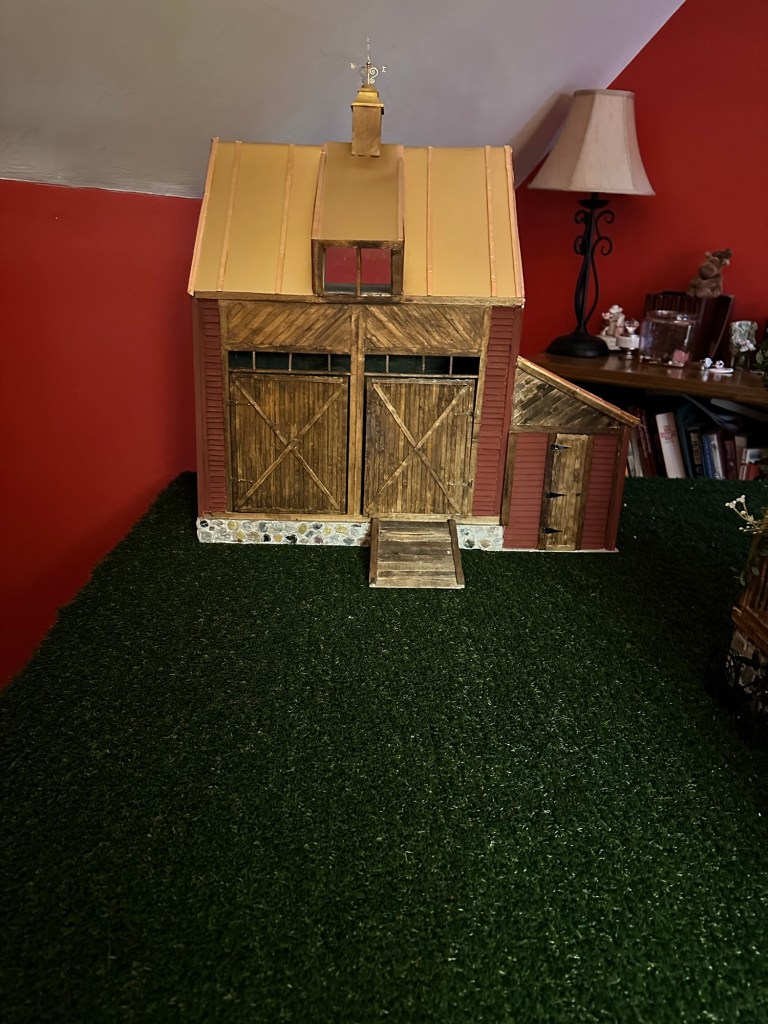
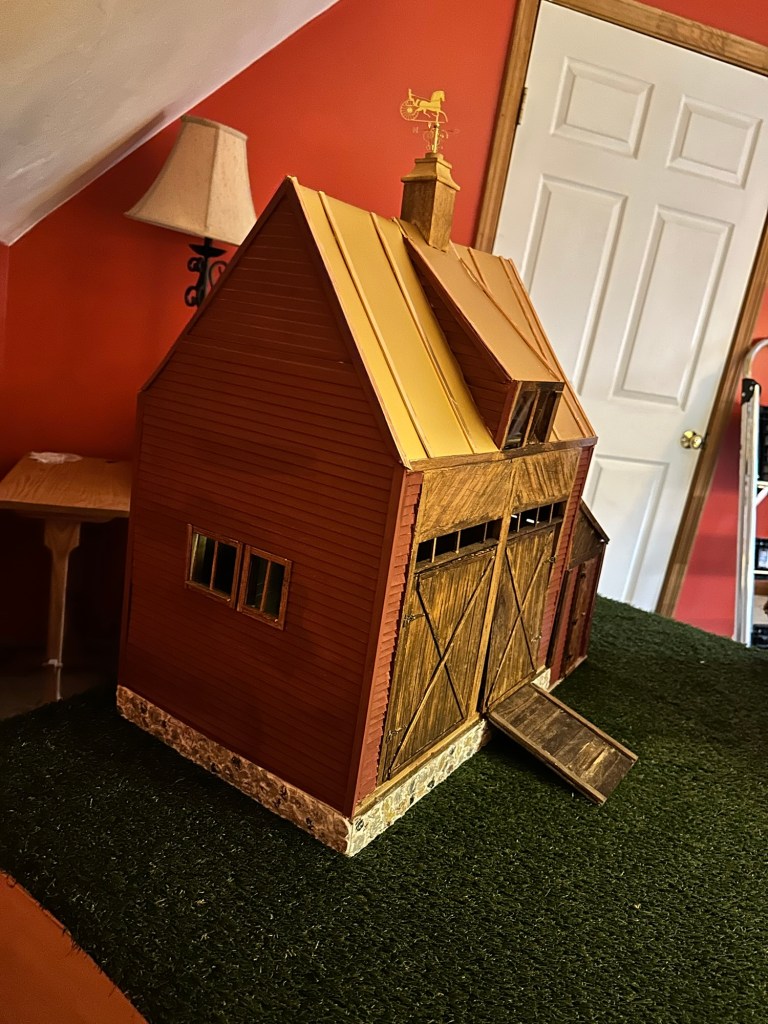
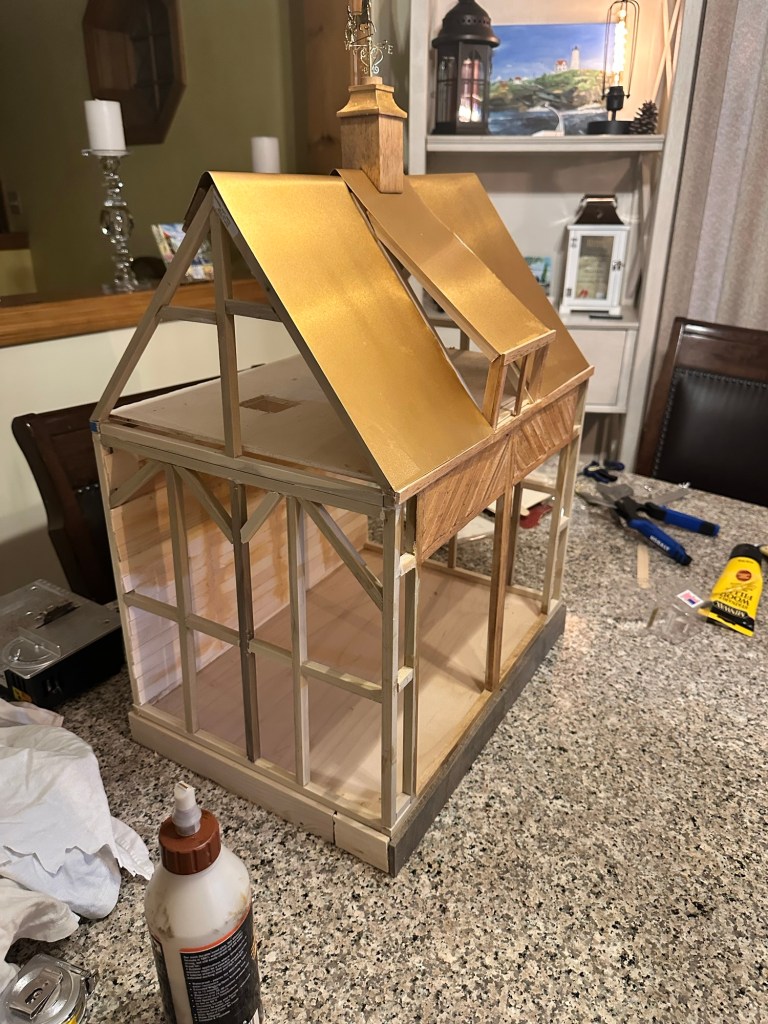


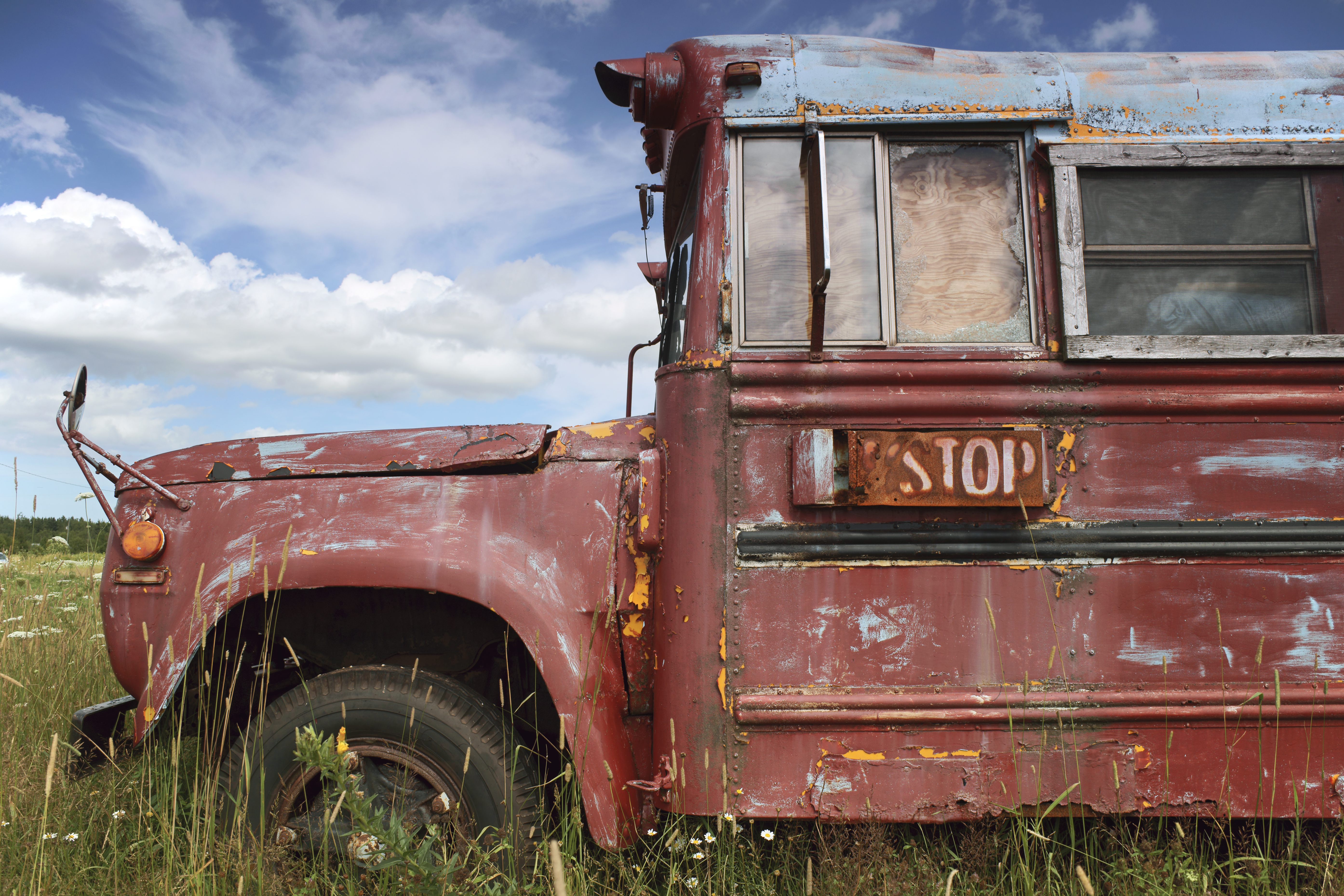
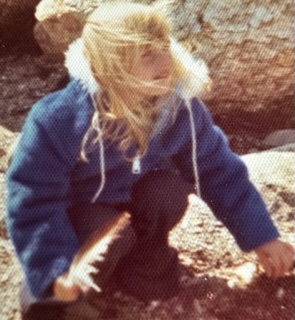
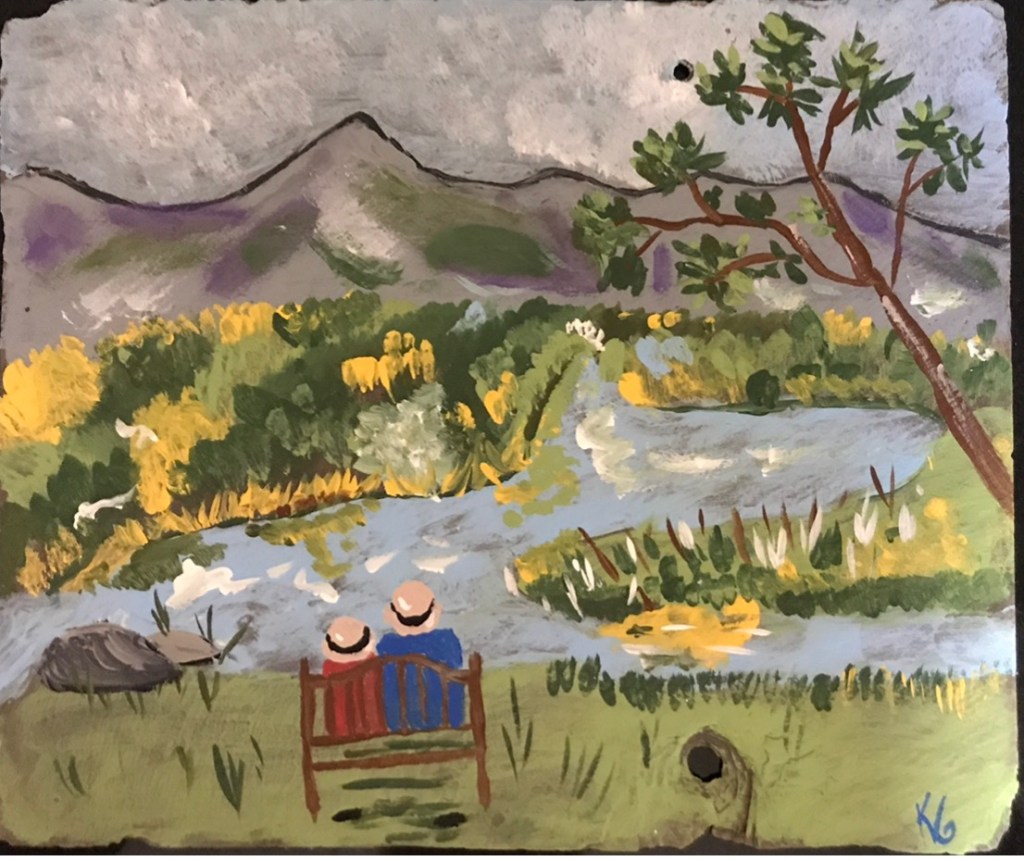
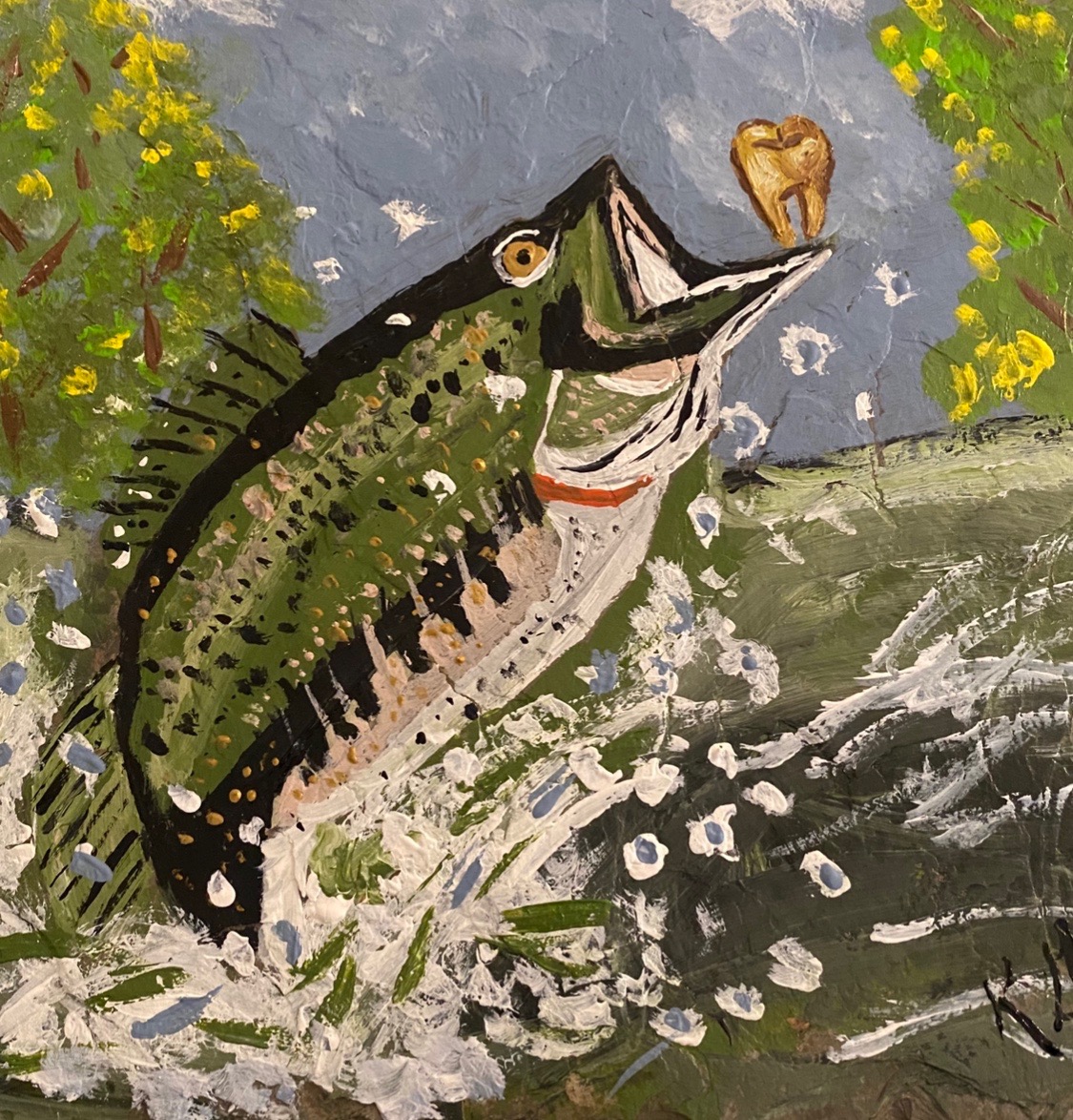
 Official Blog of Kristy Gherlone